
Building Dedan Kimathi Foundation Green Legacy
Fruit trees stand in a league of their own, offering unmatched number of benefits ranging from robust economic returns from fruit sales, vital environmental healing through carbon sequestration and high nutritional value for healthier communities. In a rapidly expanding urban landscape like Nairobi, where skyrocketing populations collide with limited conservation space, maximizing every available square inch with high-value trees is absolutely essential.
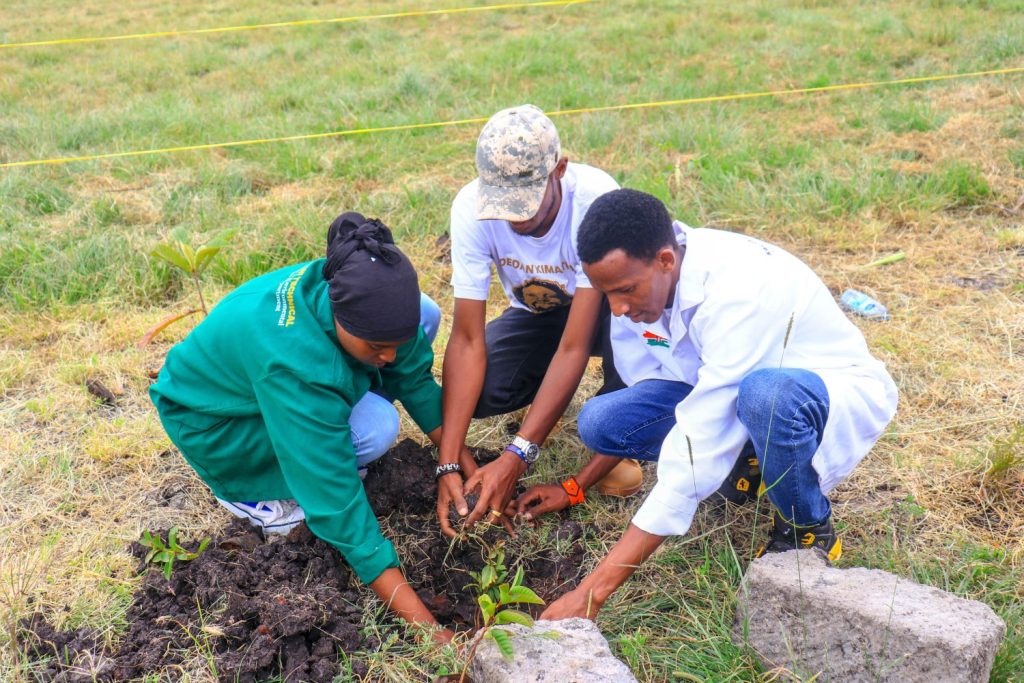
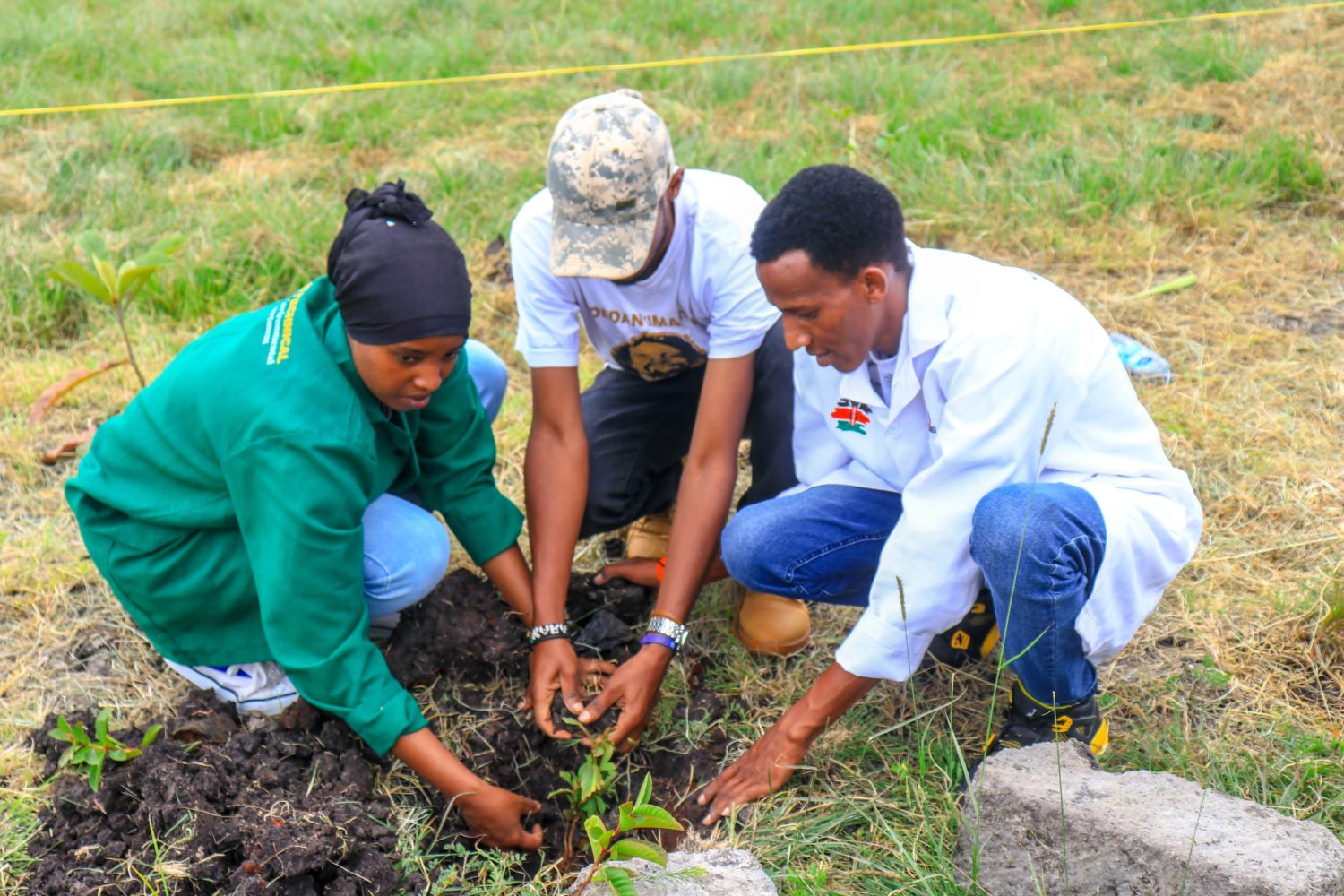
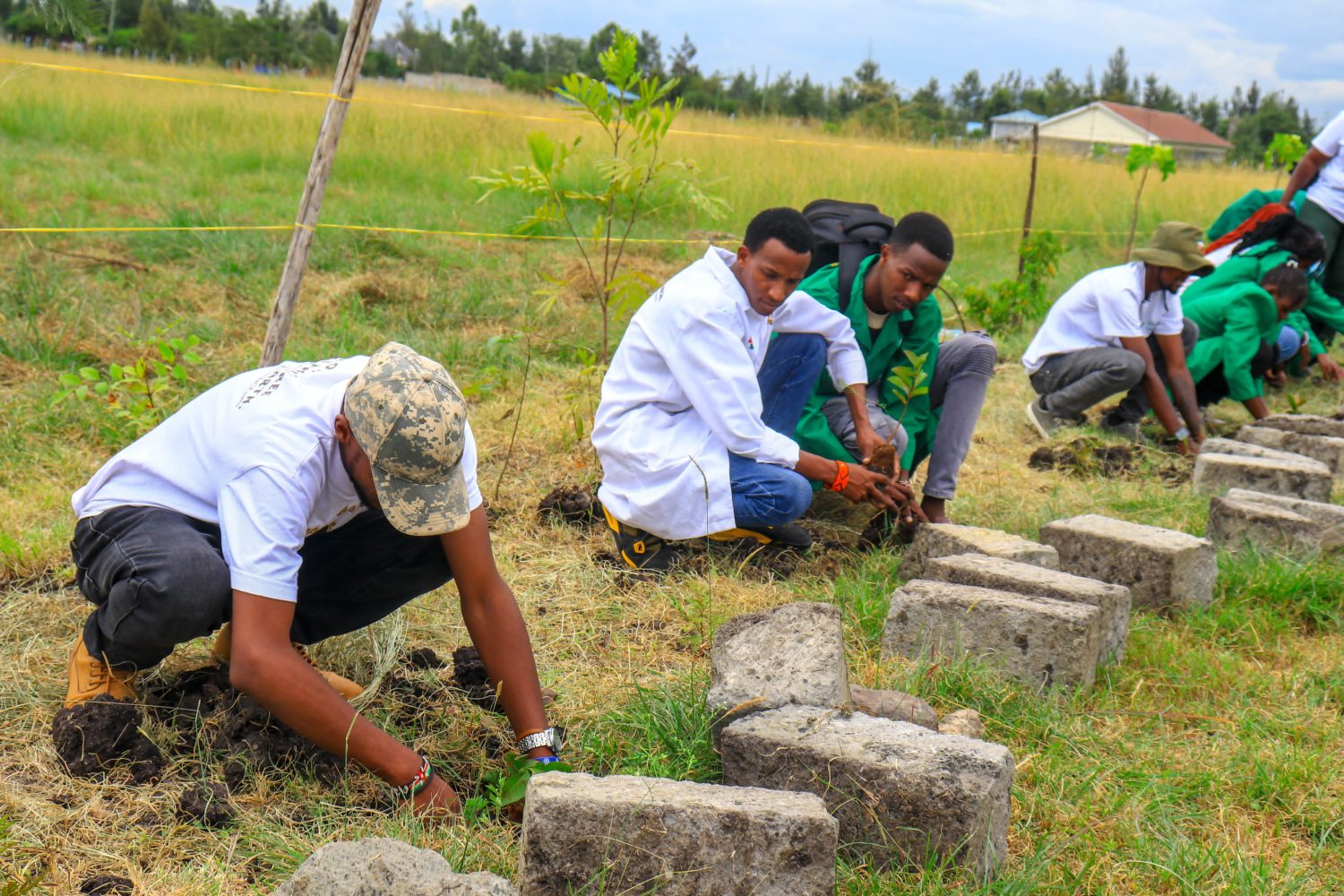
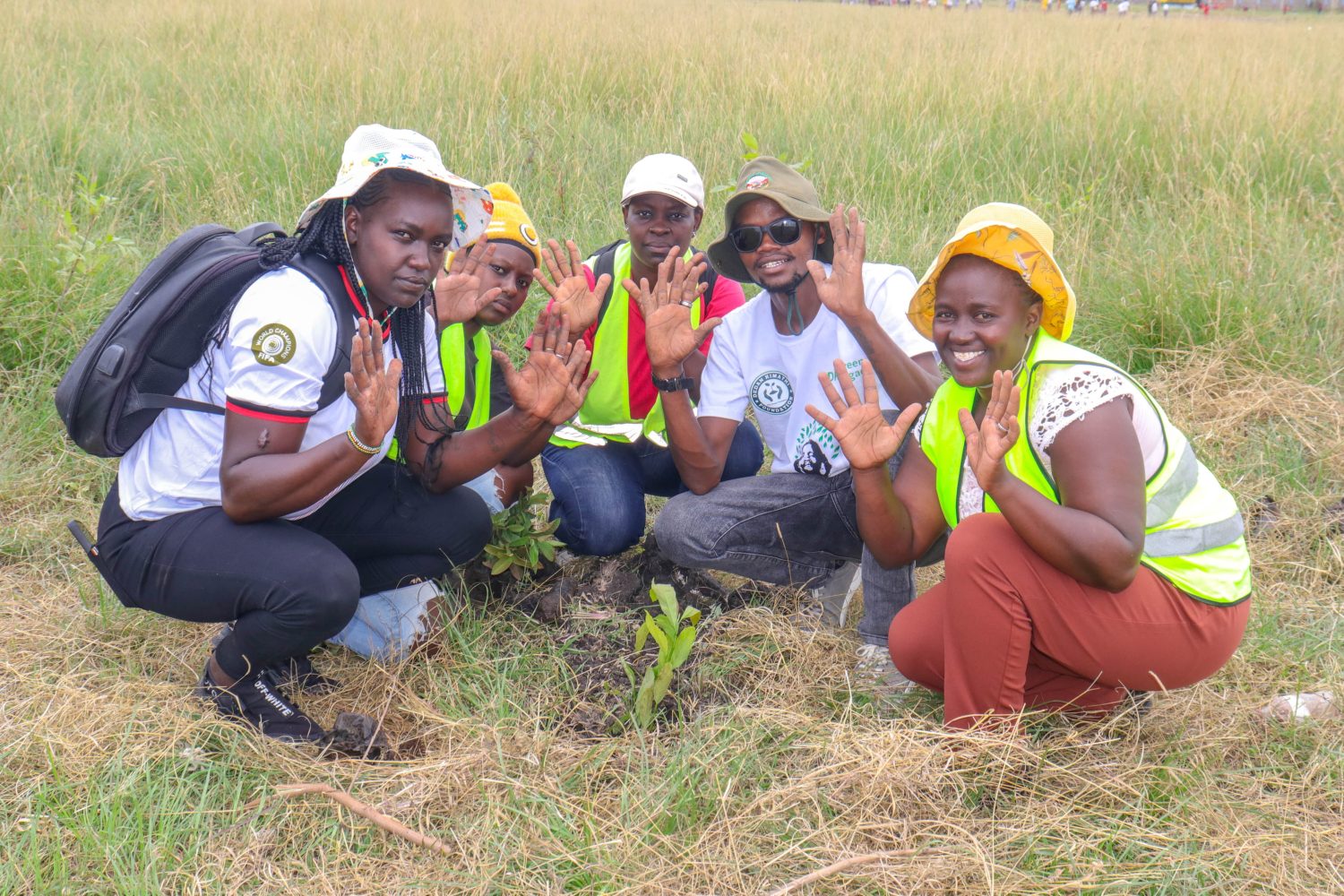
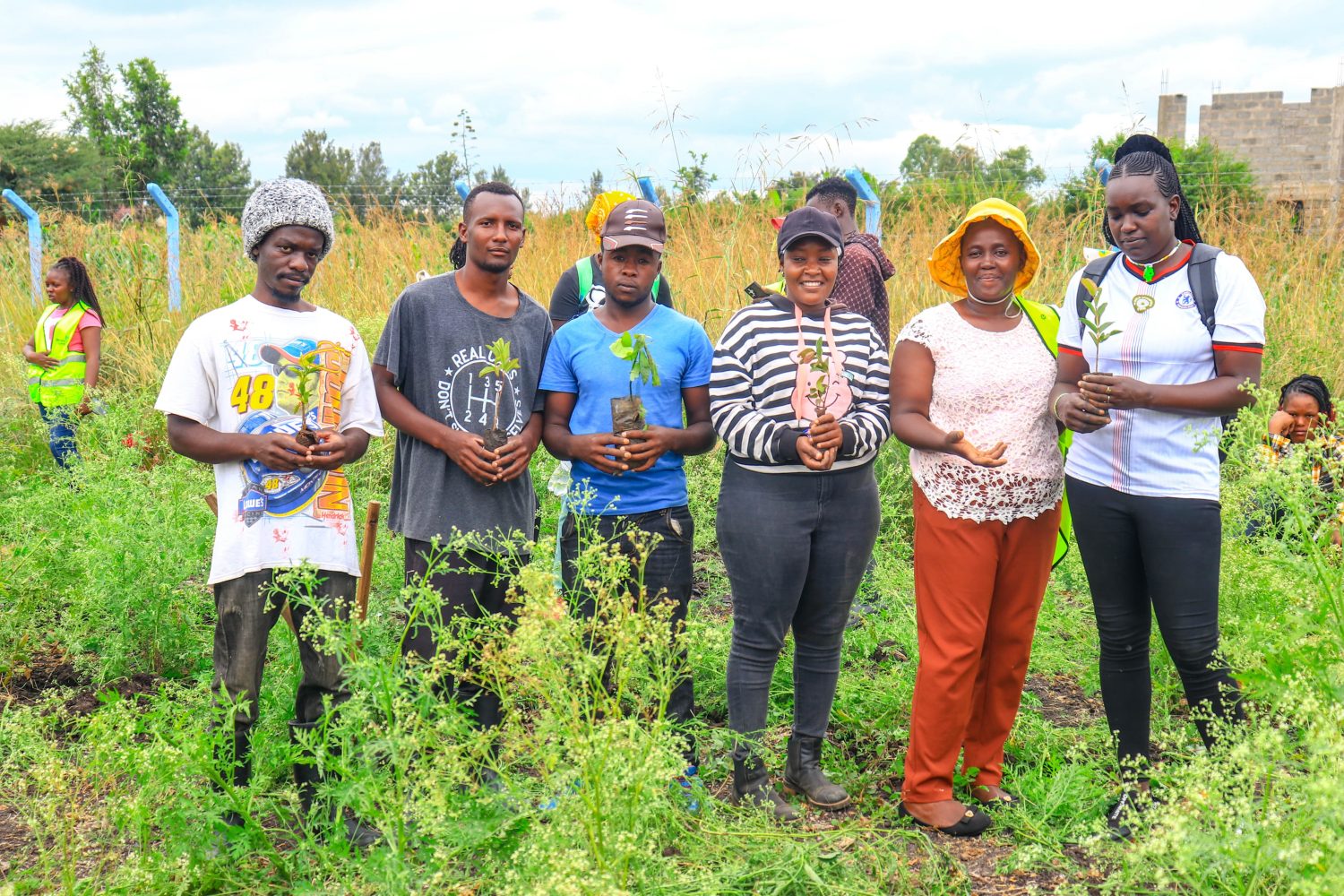
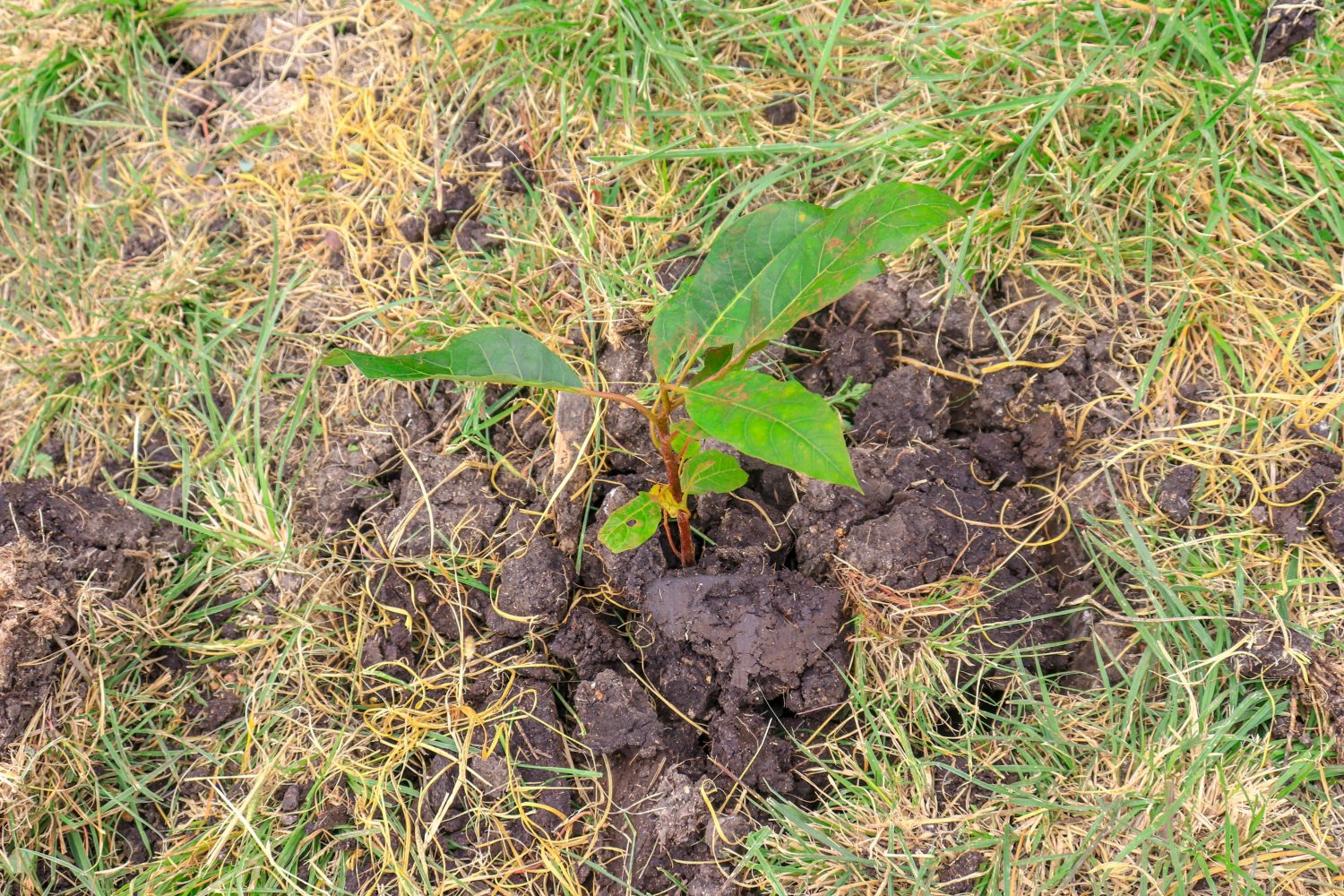
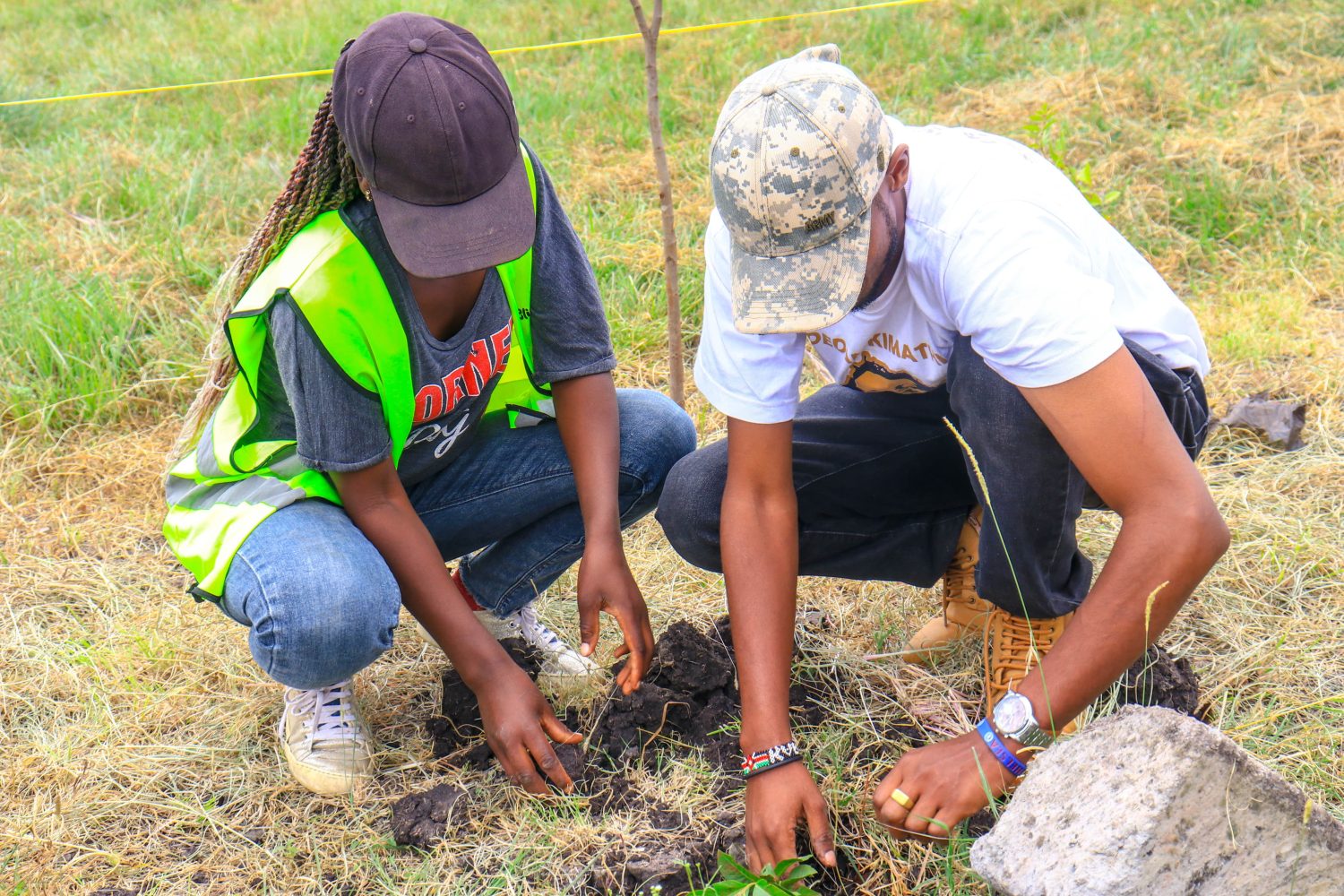
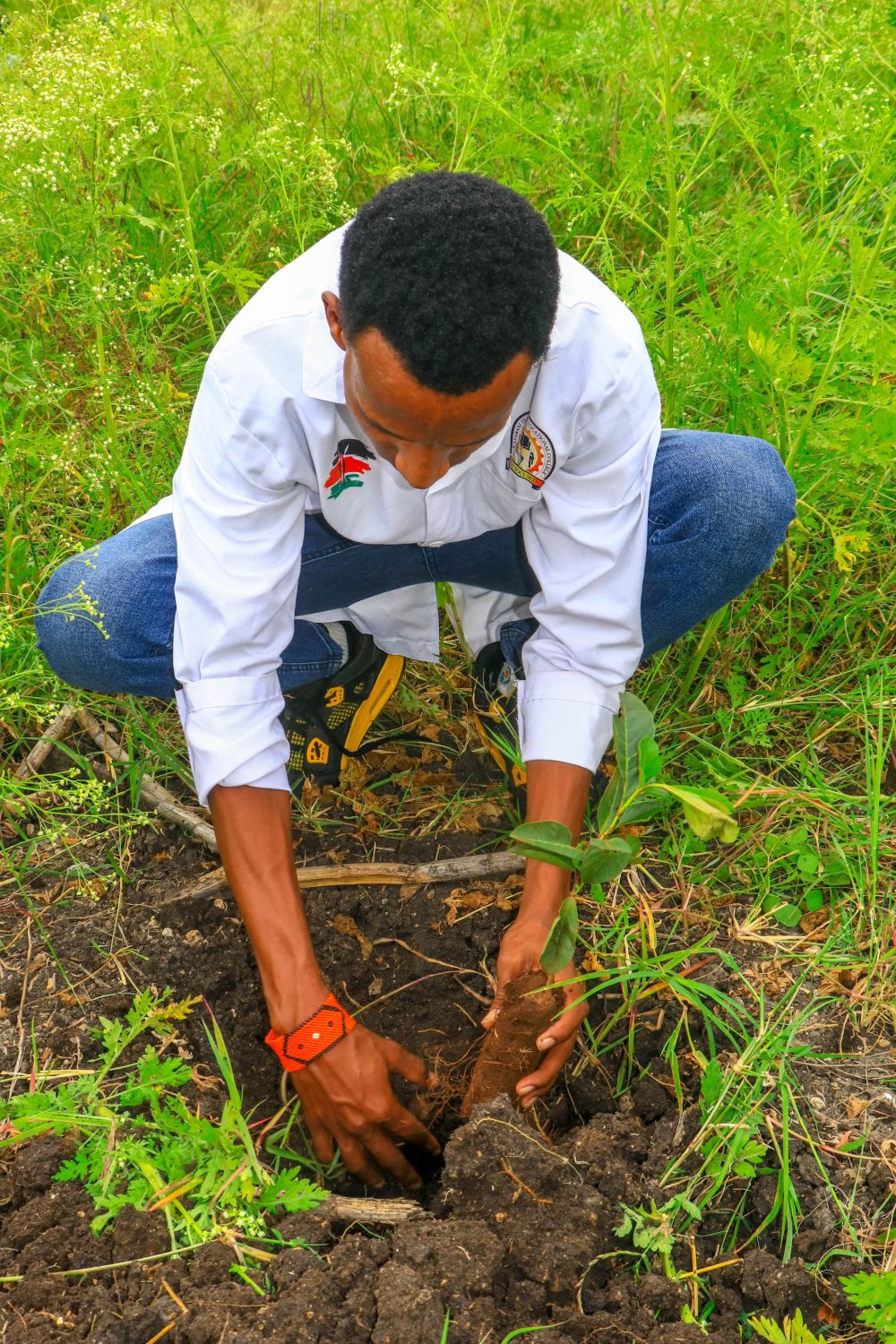
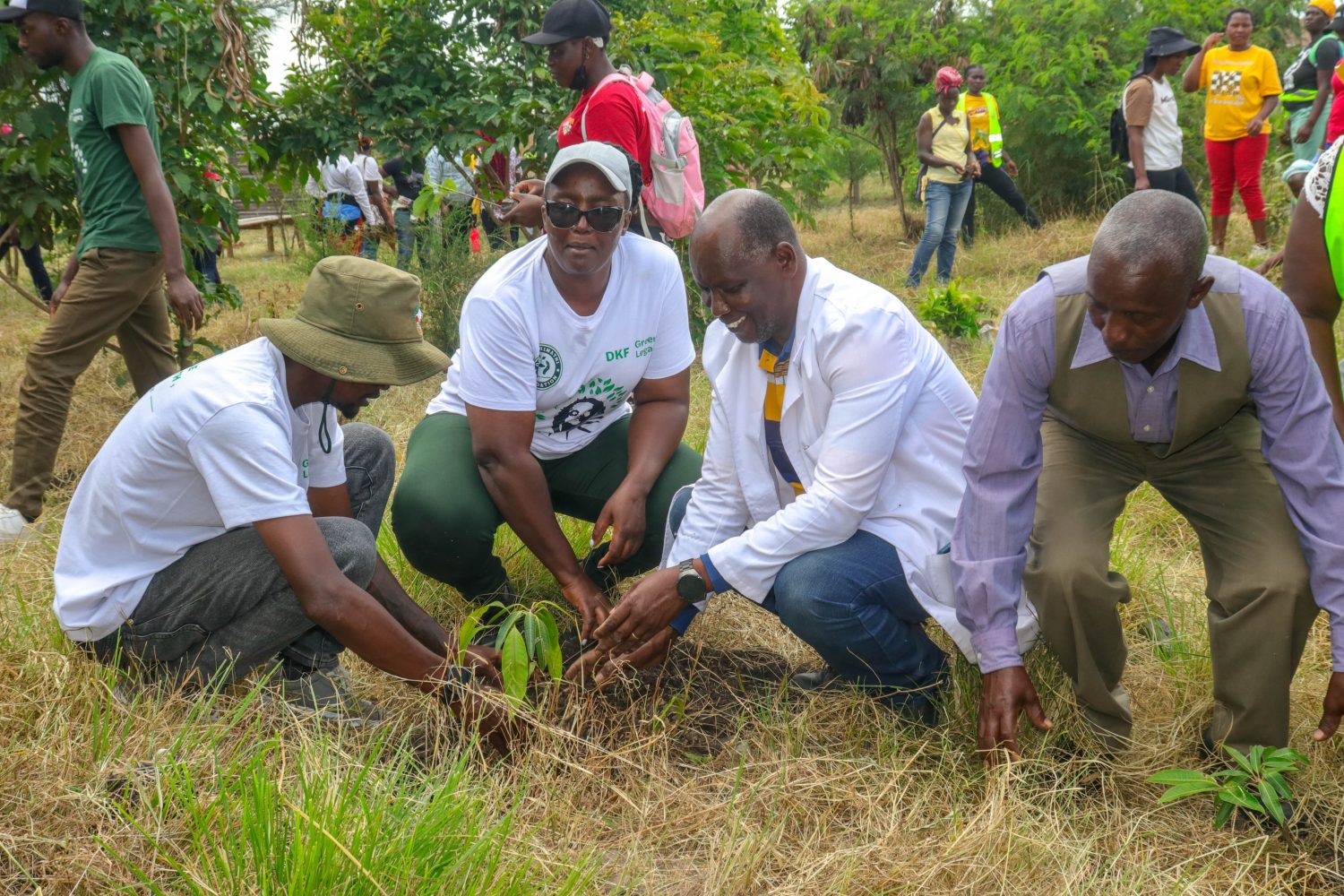
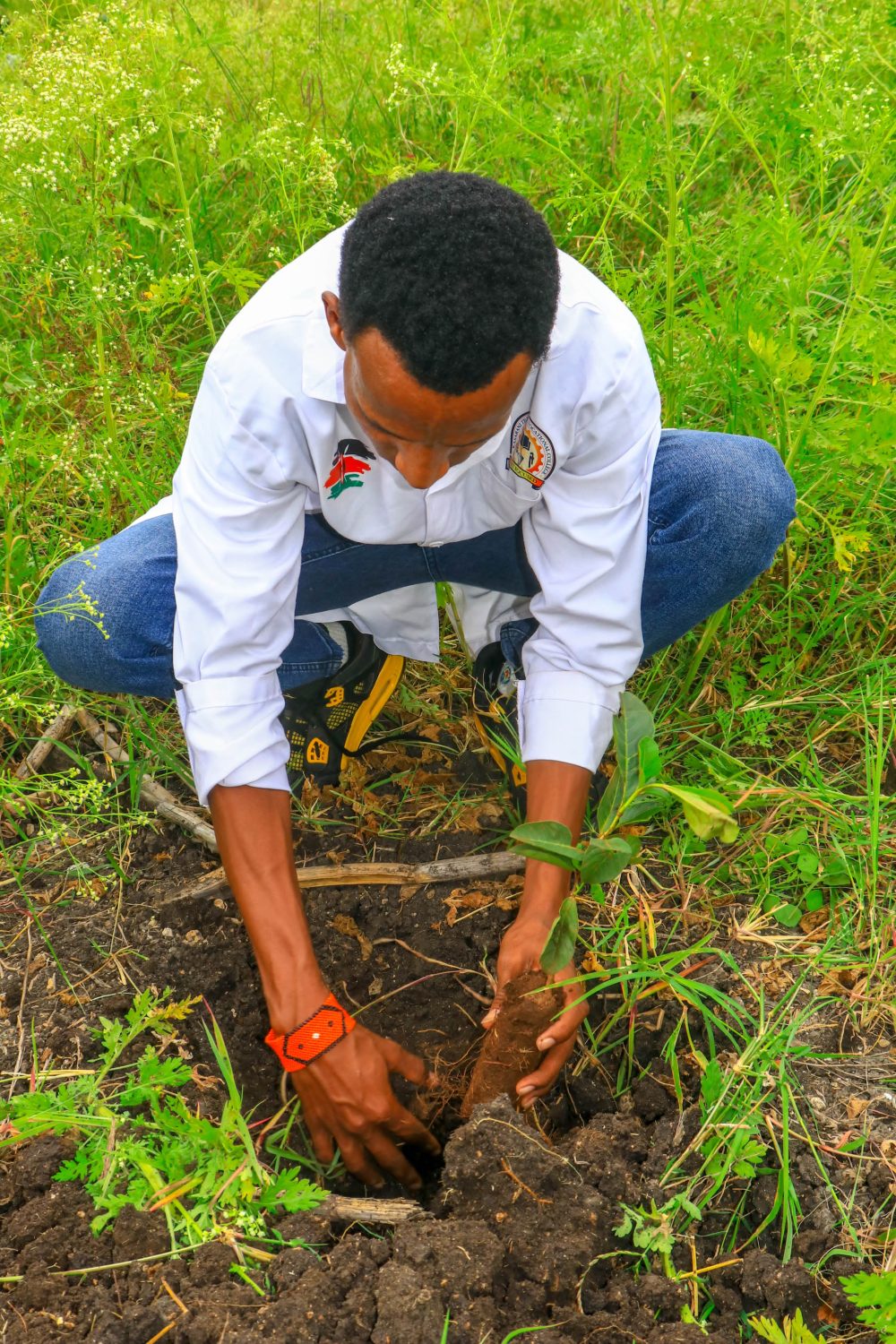
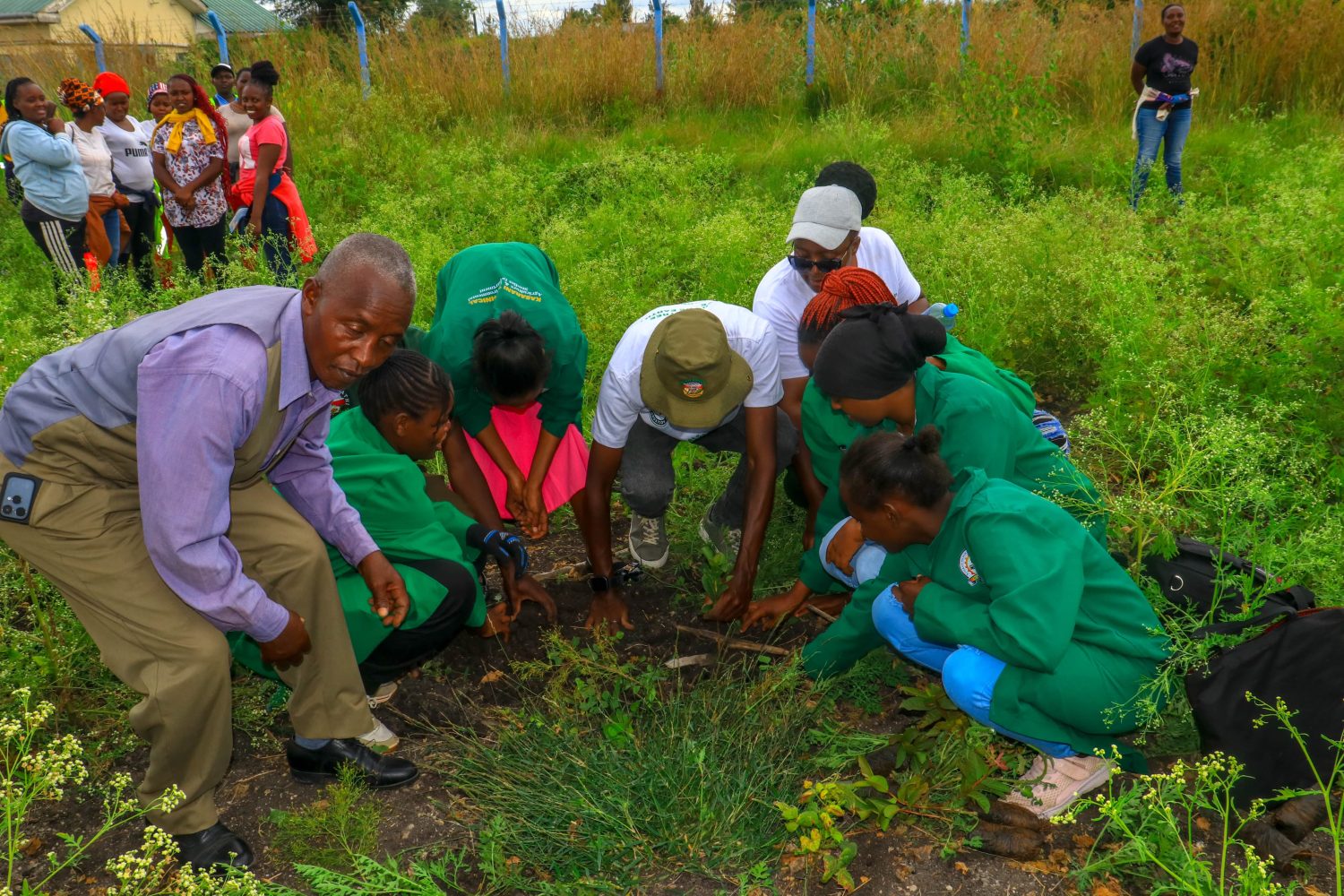
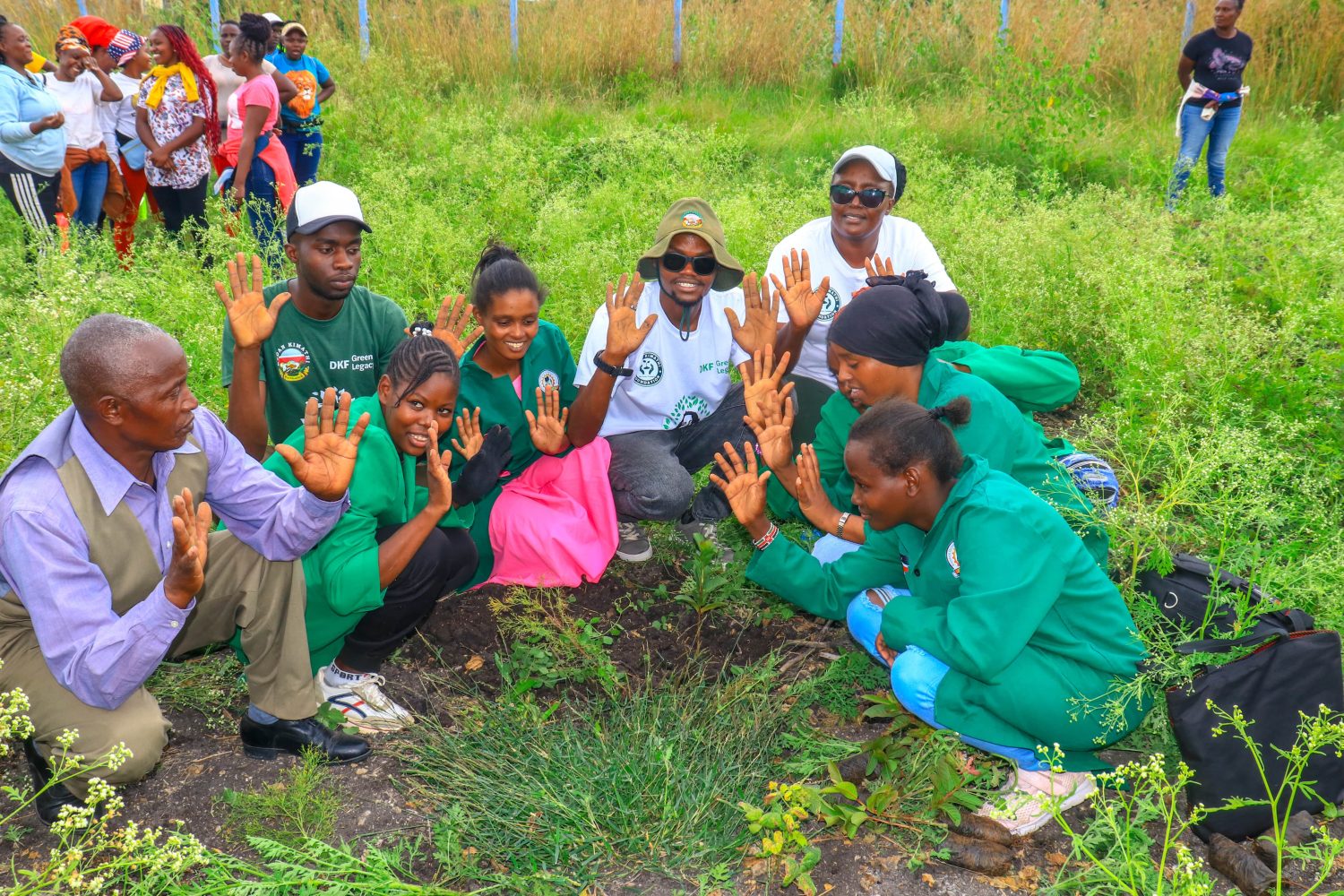
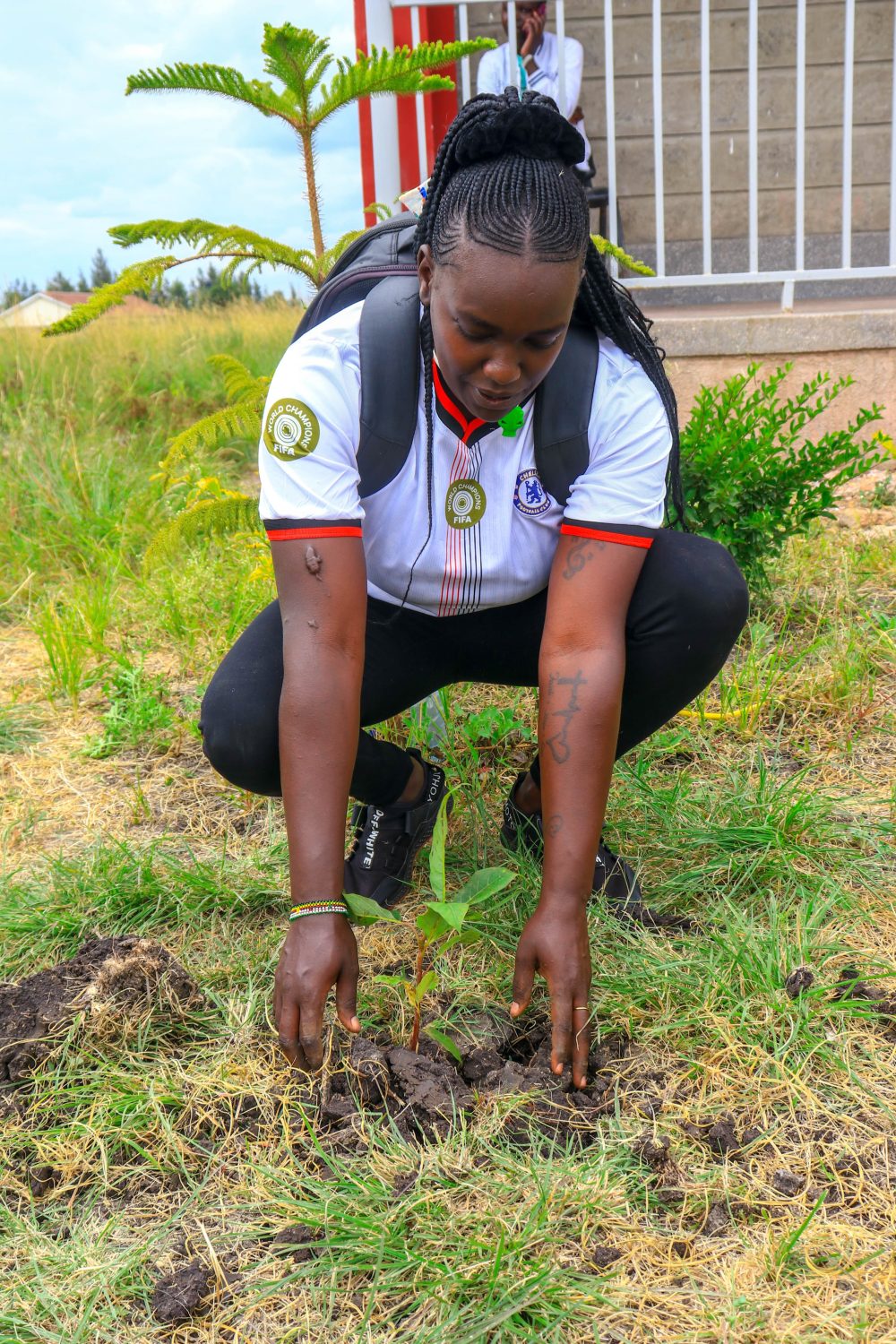
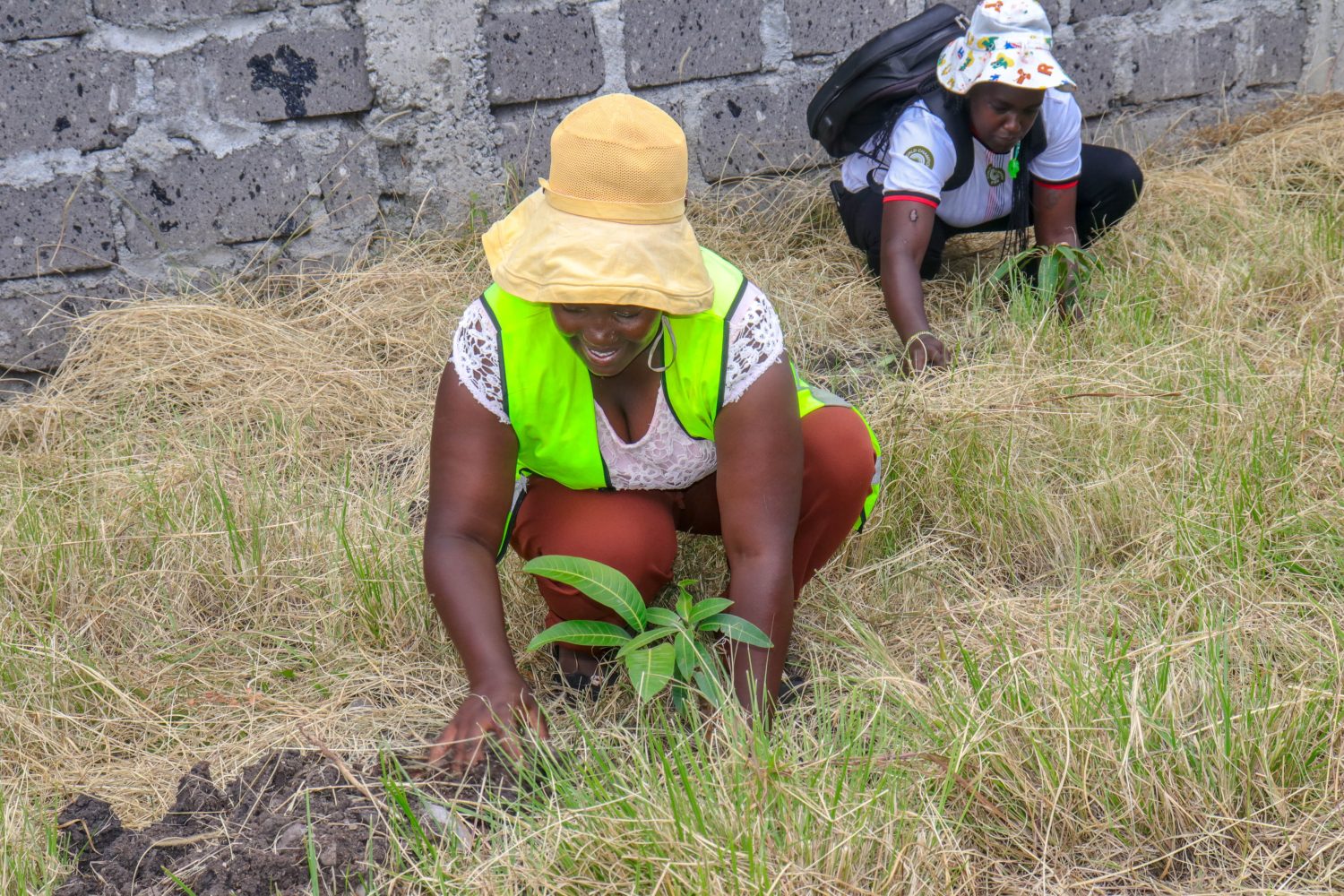
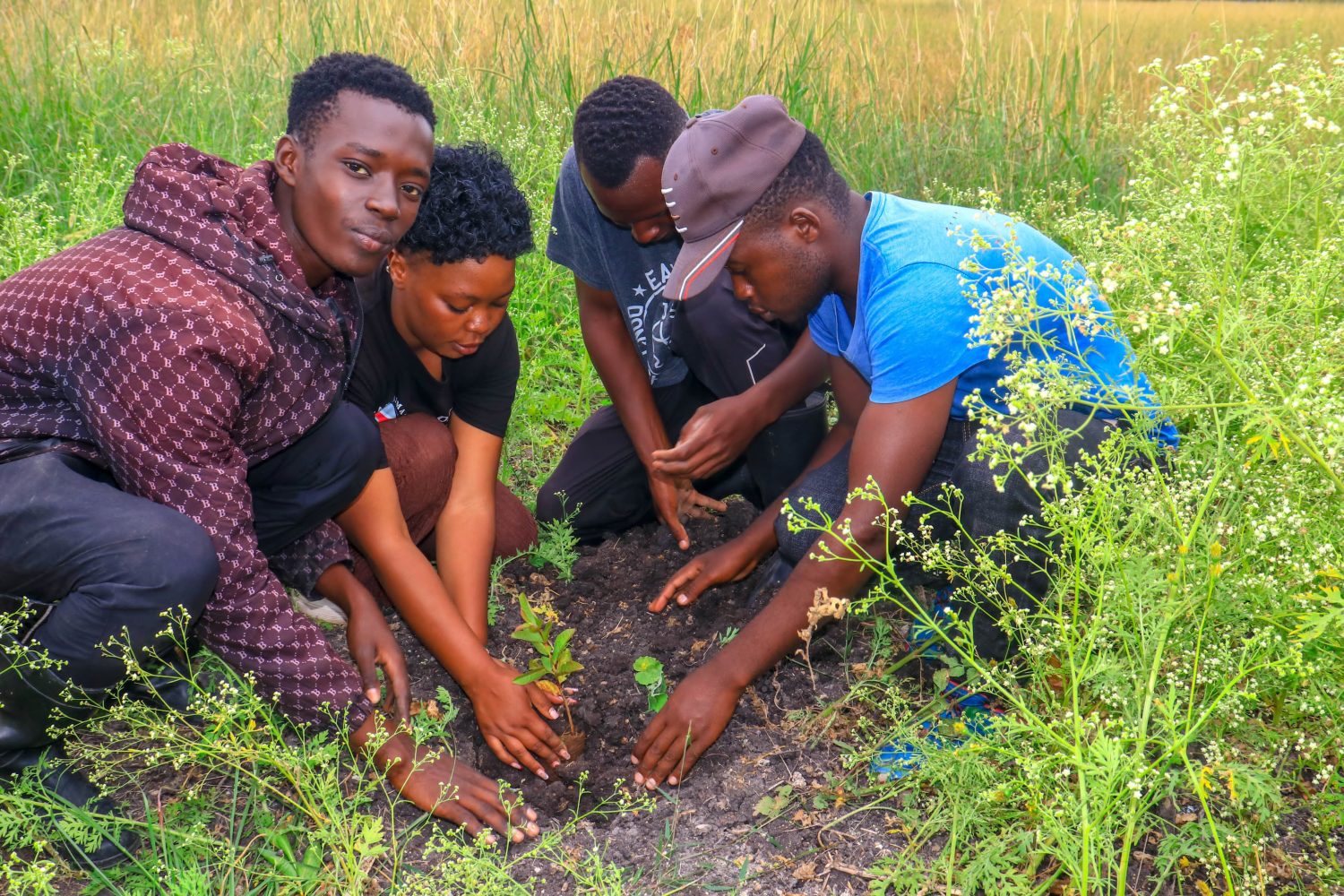
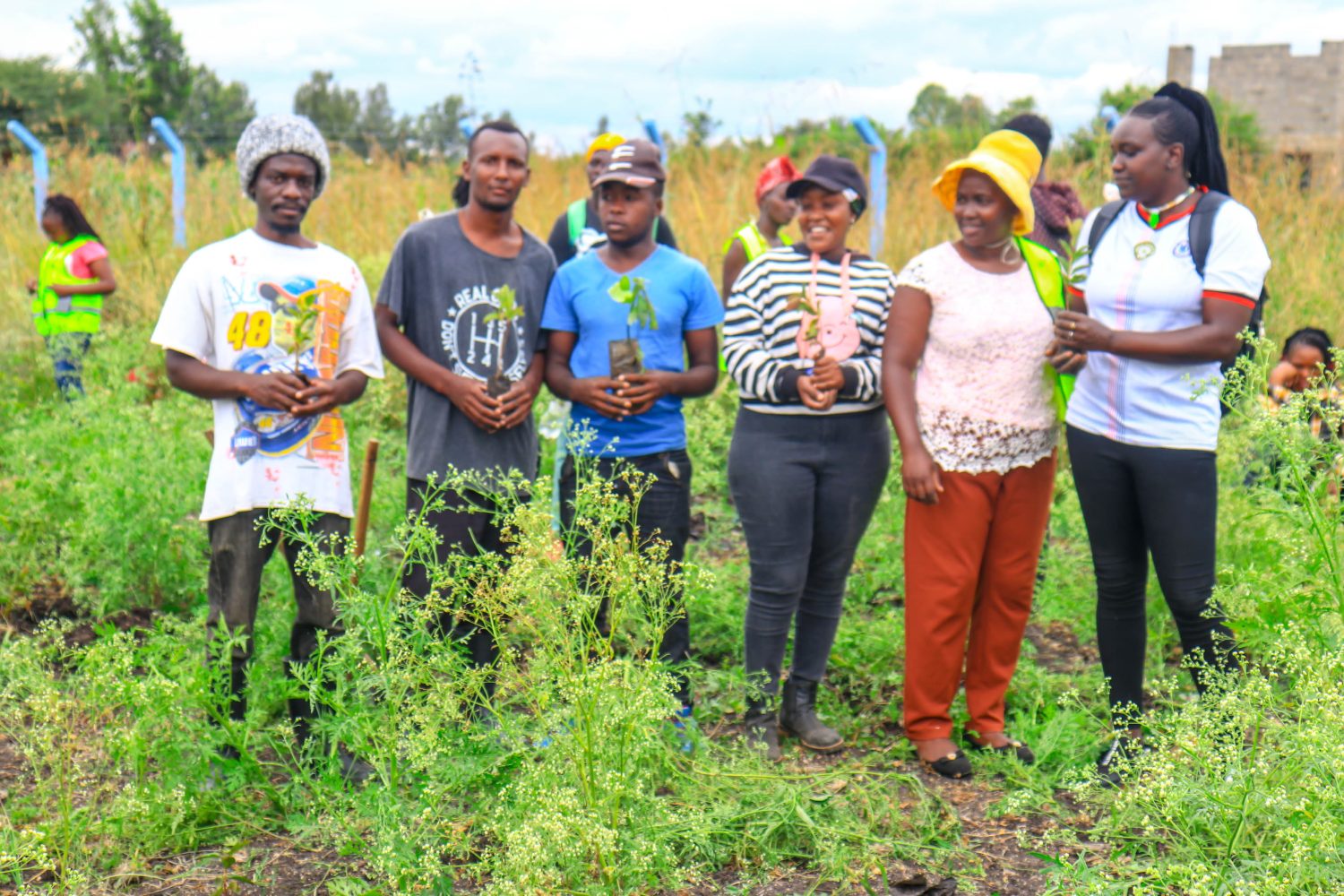
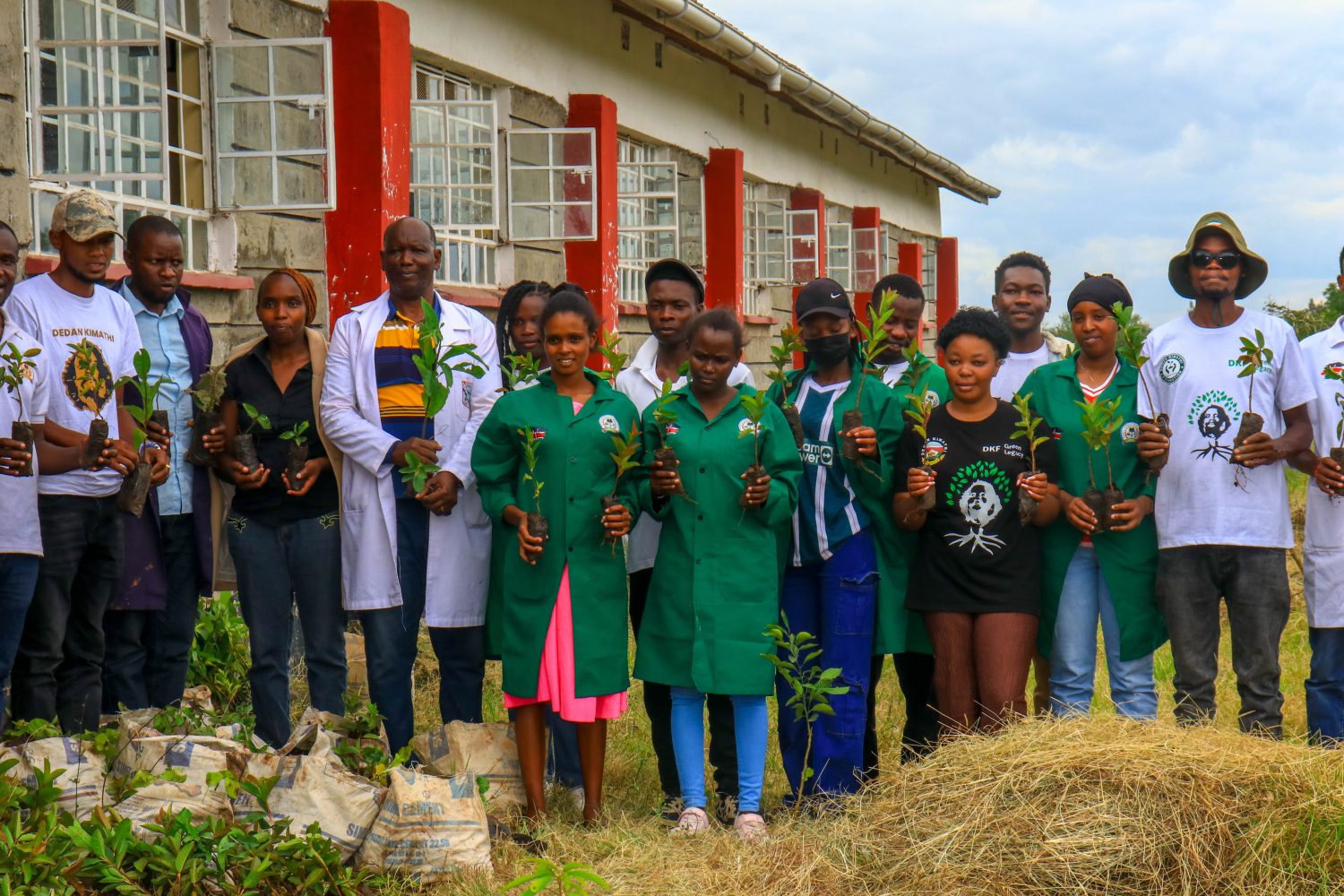
Driven by this vision, the Dedan Kimathi Foundation’s Environment Team 1 marked Friday 29th May 2026 dubbed as ‘Green Friday‘ through a major tree-growing exercise at Manyatta Secondary School in Ruai Division – Nairobi. At the heart of this initiative was the Foundation’s deliberate donation of 2,000 assorted fruit trees including grafted avocados, oranges, mangoes, and loquats.
This impactful event was made possible through a powerful collaboration with the Climate Worx Initiative (Ruai Branch) and Kasarani Technical Training Institute. Together, we are taking giant strides toward actualizing Kenya’s national agenda of growing 15 billion trees.
By championing fruit trees, our Foundation is investing in sustainable, long-term empowerment. We have immense confidence that as the school adopts and nurtures these trees, the harvest will significantly boost the school feeding program. Furthermore, revenue generated from surplus yields will directly fund the school welfare program, providing a sustainable lifeline for needy students.
In Kiambu County, the 2nd section of the Foundation environment team spearheaded a major tree-planting caravan. Our Field Director, Ms. Mukami Githinji, took the foundation lead in a series of tree growing activities which resulted in the planting of 7,000 trees across Githunguri Sub-County. This caravan involved our foundation, the Kenya Defence Forces’ Thika Engineers Brigade, the Githunguri-based National Government Administration Officers, Thika Technical Training Institute and representatives from Kiambu Technical, alongside members of the general public and students from the participating beneficiary institutions.
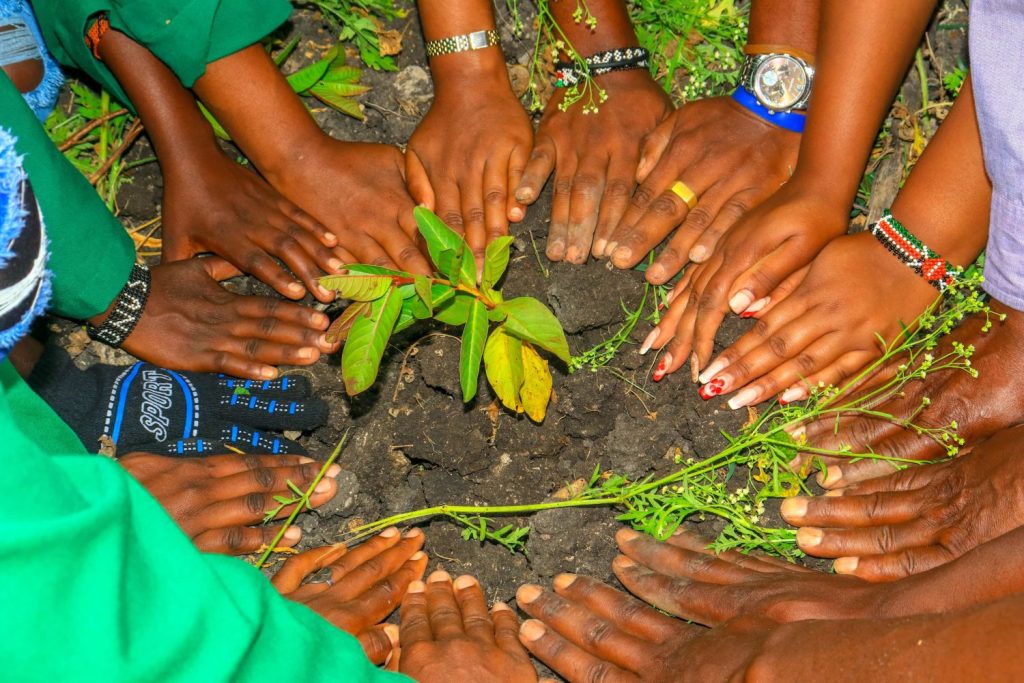
The 7,000 trees planted during the exercise were donations from two main contributors; Thika Engineers Brigade supplied 5,000 exotic trees from Thika Garrison while Thika Technical Training Institute providing the remaining 2,000 trees consisting of a mix of indigenous and fruit varieties. These trees were distributed and planted by the combined team of partners and beneficiaries in Githunguri Technical, Githunguri DCC’s compound, Ngemwa Comprehensive School, Ngemwa Secondary School, Ndireti Comprehensive School and Ndireti Secondary School.
Every single one of these sites received 1,000 cypress trees and 400 mixed indigenous trees.
The exotic species were intentionally chosen to establish woodlots that will eventually supply firewood for institutional cooking requirements, as well as timber for building projects and school furniture. Once these trees mature, selling the timber products will generate revenue to help the schools secure income for development projects or student welfare funds. Meanwhile, the 400 assorted indigenous and fruit trees planted at each location are meant to maximize long-term carbon sequestration and enhance local food security respectively.
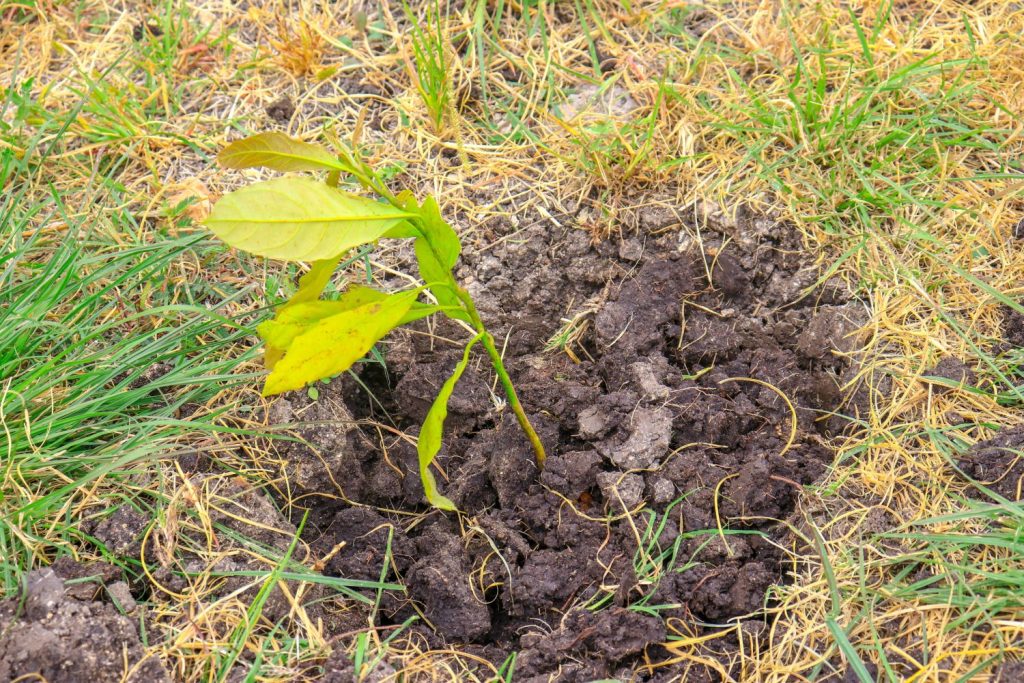
Located within Kiambu, the second most populous county in the nation, the Githunguri constituency offers a highly favorable and soothing climate for growing trees. With such a supportive environment, the trees will only require minimal watering for a few weeks post-planting to thrive, which is expected to result in an exceptionally high survival rate. Although Githunguri is an area with very little open, disposable land available for afforestation, the presidential directive to plant 15 billion trees nationally means that public spaces can no longer afford to leave any available ground without tree cover. By cultivating high-value trees that offer unparalleled ecological and economic advantages, the path toward achieving a 30% national tree cover remains a goal well within reach.
For our foundation, collaborating with aligned organizations and government agencies points to a future where climate action becomes so widespread that the threat of climate change is successfully neutralized, and we look forward to those days.