
Safeguarding the Mau Forest Ecosystem from Its Outer Borders
It has been frequently stated that putting the Mau Forest at risk directly jeopardizes both human existence and animal survival. For an extended duration, the Mau has experienced intense exploitation, driven primarily by the clearing of woodland to create agricultural fields, practices of unsustainable timber harvesting, the cutting down of trees for charcoal production and excessive livestock grazing. These combined pressures have placed this crucial water tower under huge threat. Persistent depletion and a failure to implement timely preservation strategies could lead to catastrophic consequences for farming, wildlife, tourism and other various facets of life for communities living next to the forest, the general Kenyan population and the broader East African Community.
Mau Forest Conservation and Community Livelihoods Programme
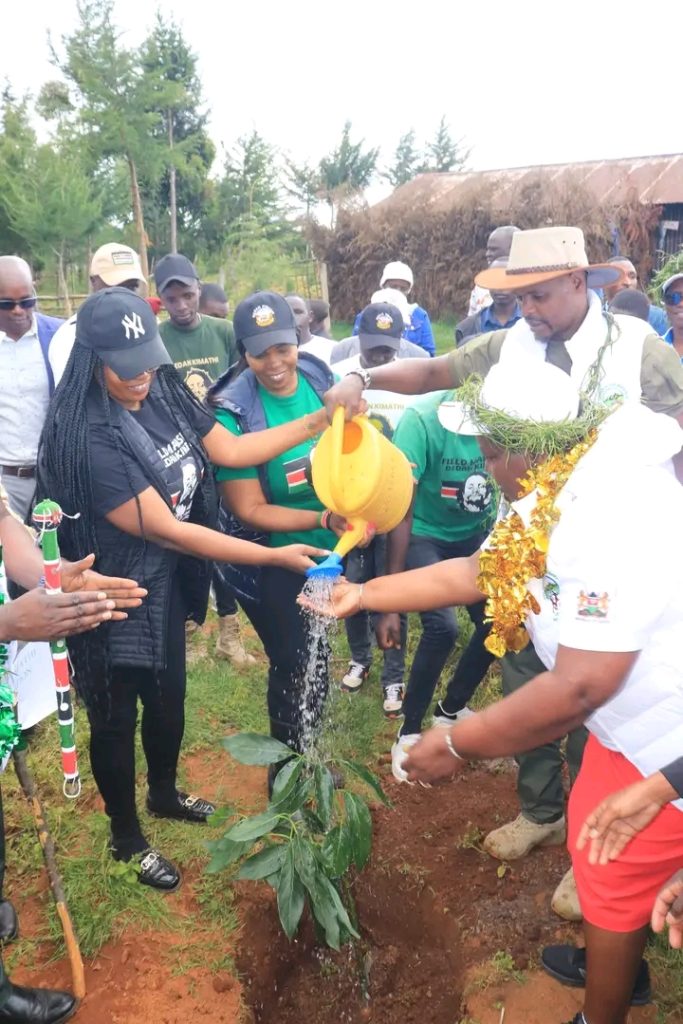
Driven by the urgent necessity to safeguard this ecosystem, the Kenyan government, acting through the State Department for Environment and Climate Change, initiated the Mau Forest Complex Integrated Conservation and Livelihoods Improvement Programme (MFC-ICLIP). This initiative spans a decade and is designed to elevate the standard of living for people residing near the complex, thereby empowering these beneficiaries, alongside government bodies and additional stakeholders, to carry out successful preservation initiatives within the complex.
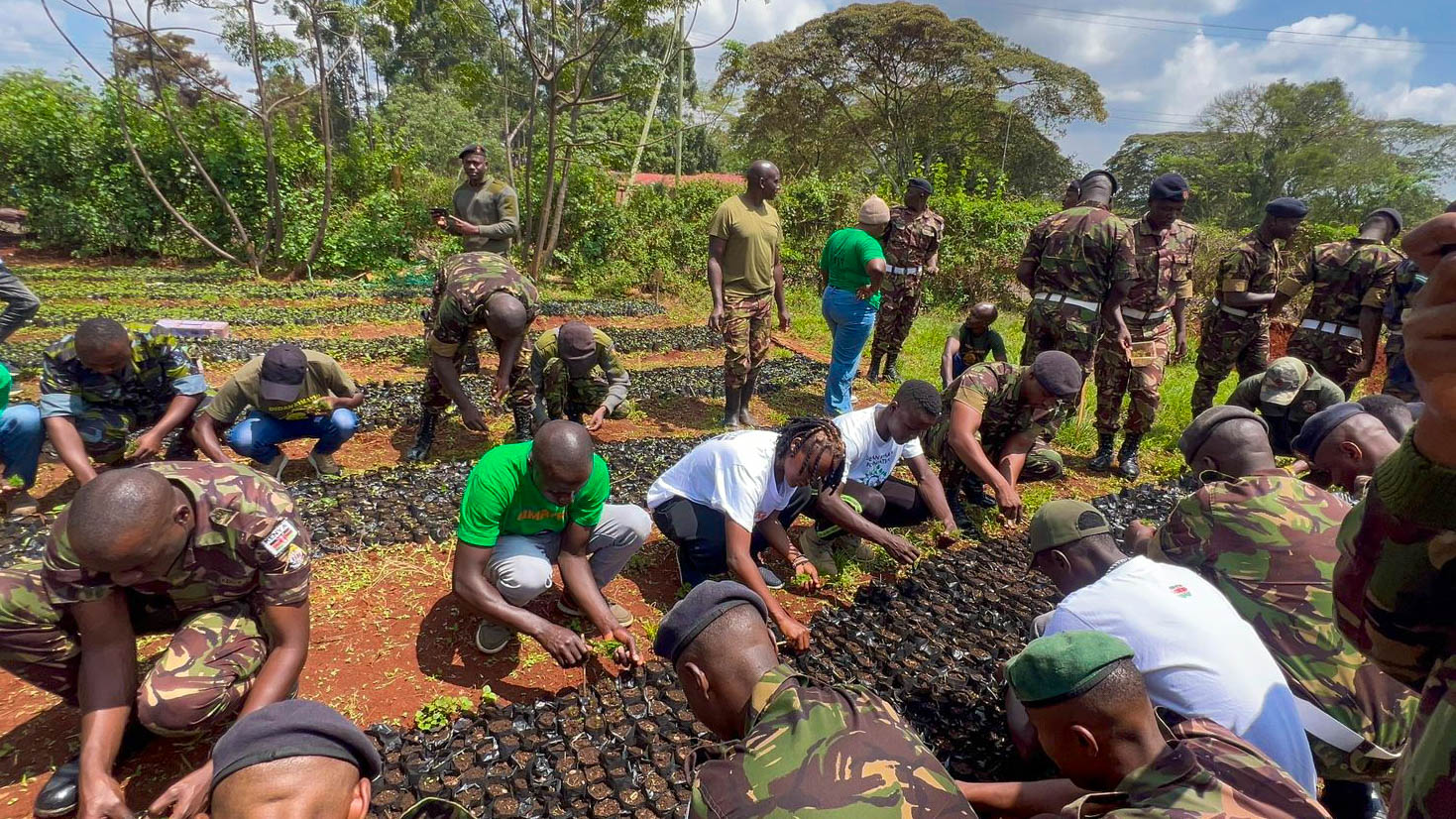
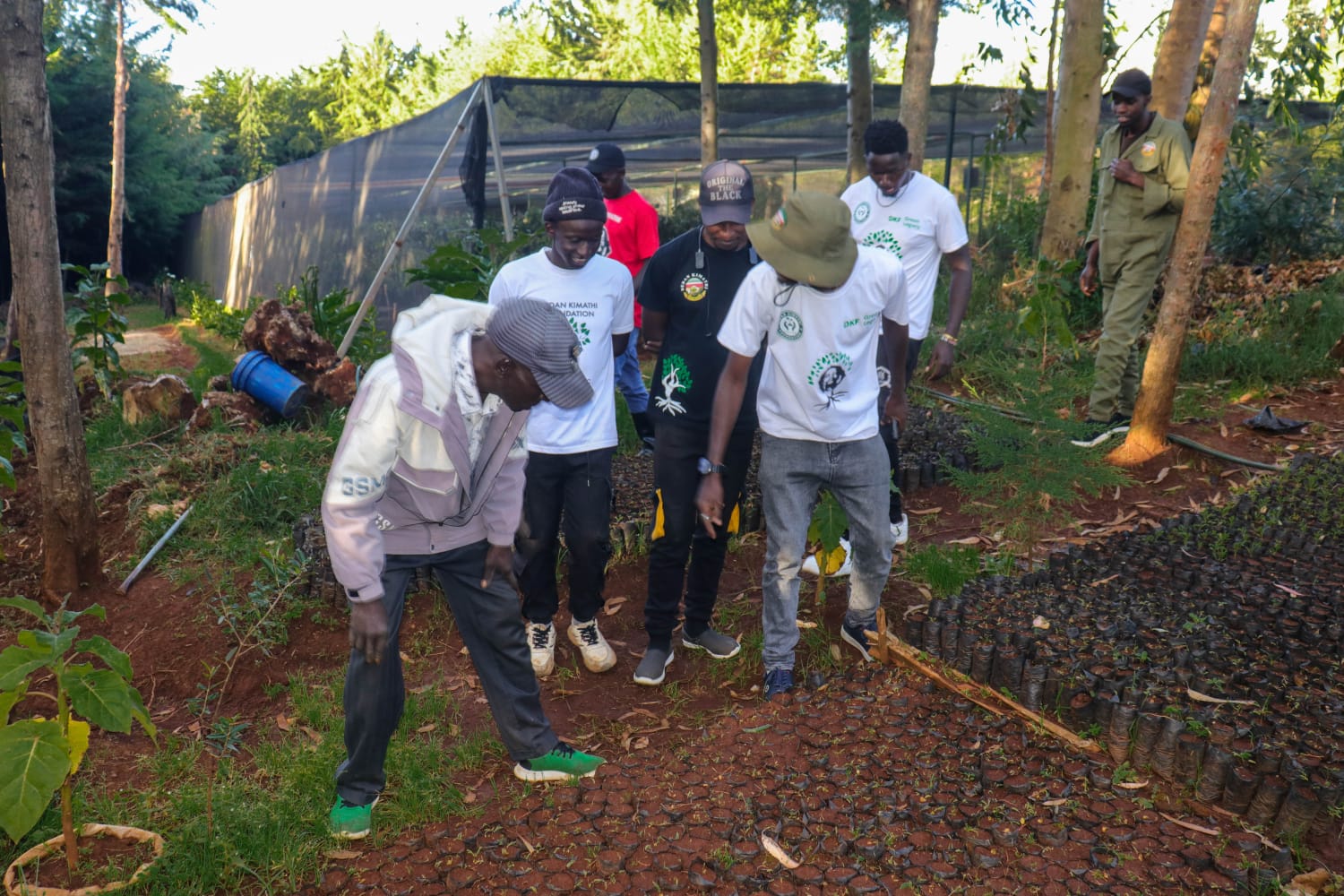
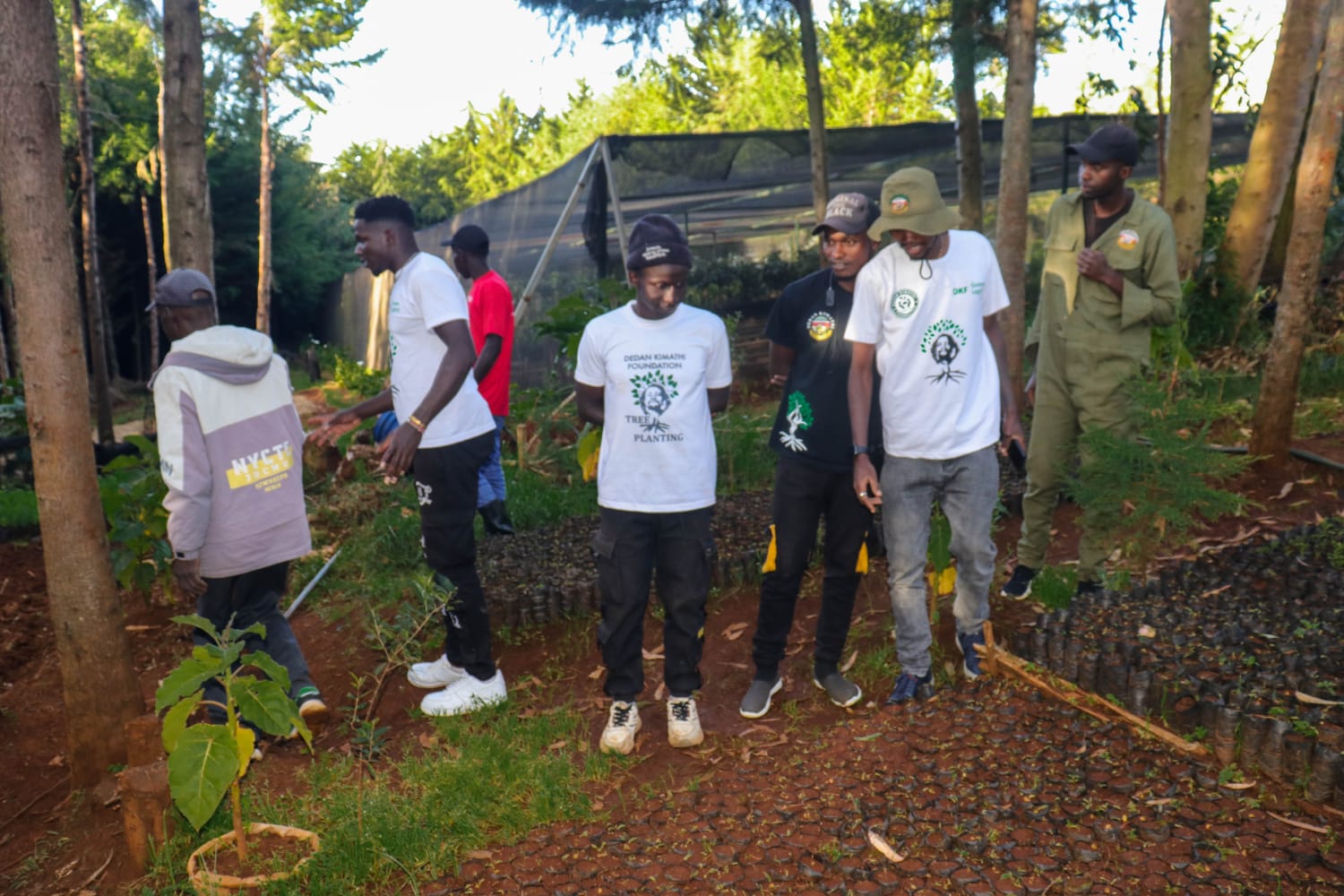
Dedan Kimathi Foundation joined this initiative as an active partner from the beginning. The organization holds a responsibility to assist in upgrading local livelihoods and to spearhead multiple tree-planting endeavors both inside the ecosystem and along its outer perimeters. Reflecting this commitment, DKF formed an alliance with Bonde tree nursery, which operates within Sirikwa Ward in Kuresoi North. In this location, a collective of 100 individuals has been laboring diligently on seedlings production to fast-track environmental restoration. DKF has previously provided the group with essential supplies such as potting bags, tree seeds and wildings to prick. The foundation’s dedicated environmental team has frequently worked with the CBO for weeks while providing nursery expertise.
School-Based Tree Planting and Environmental Stewardship
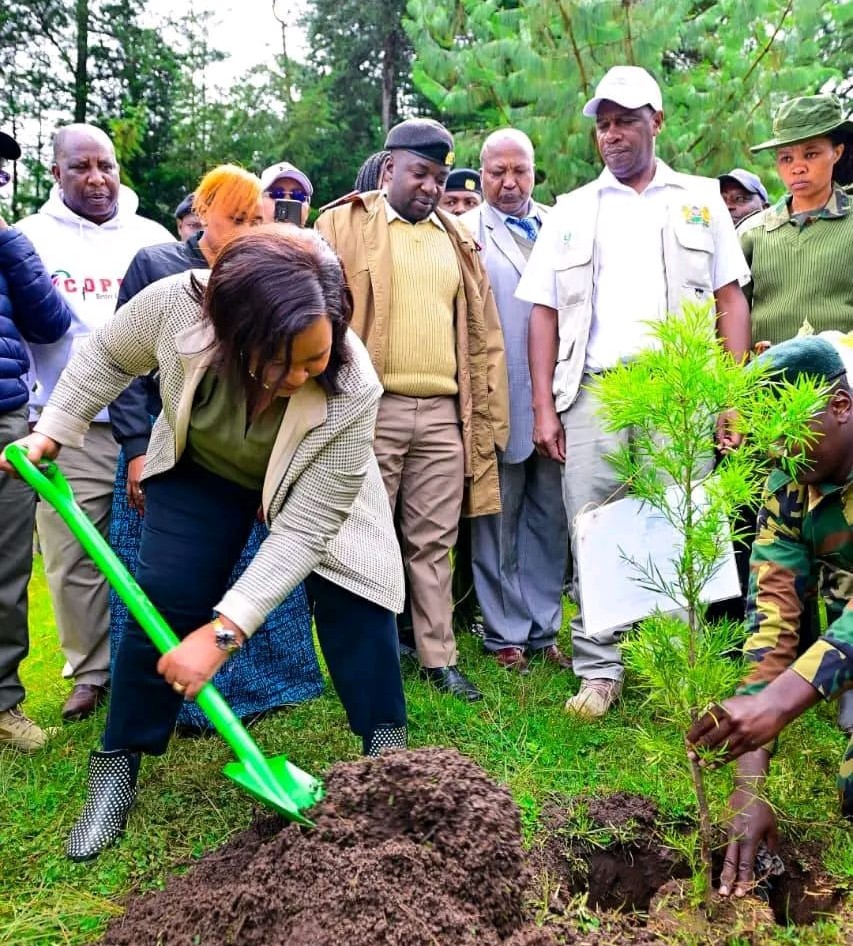
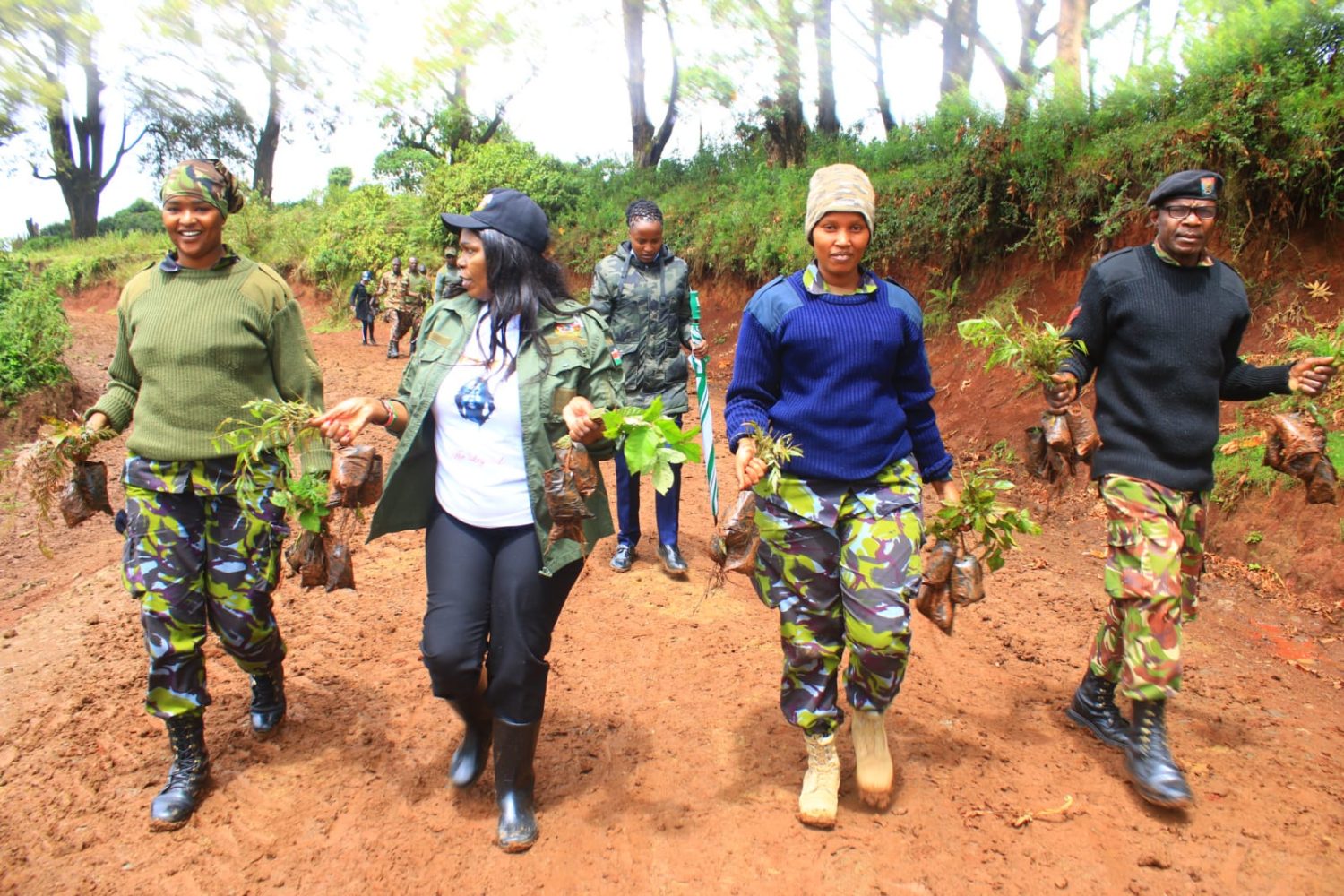
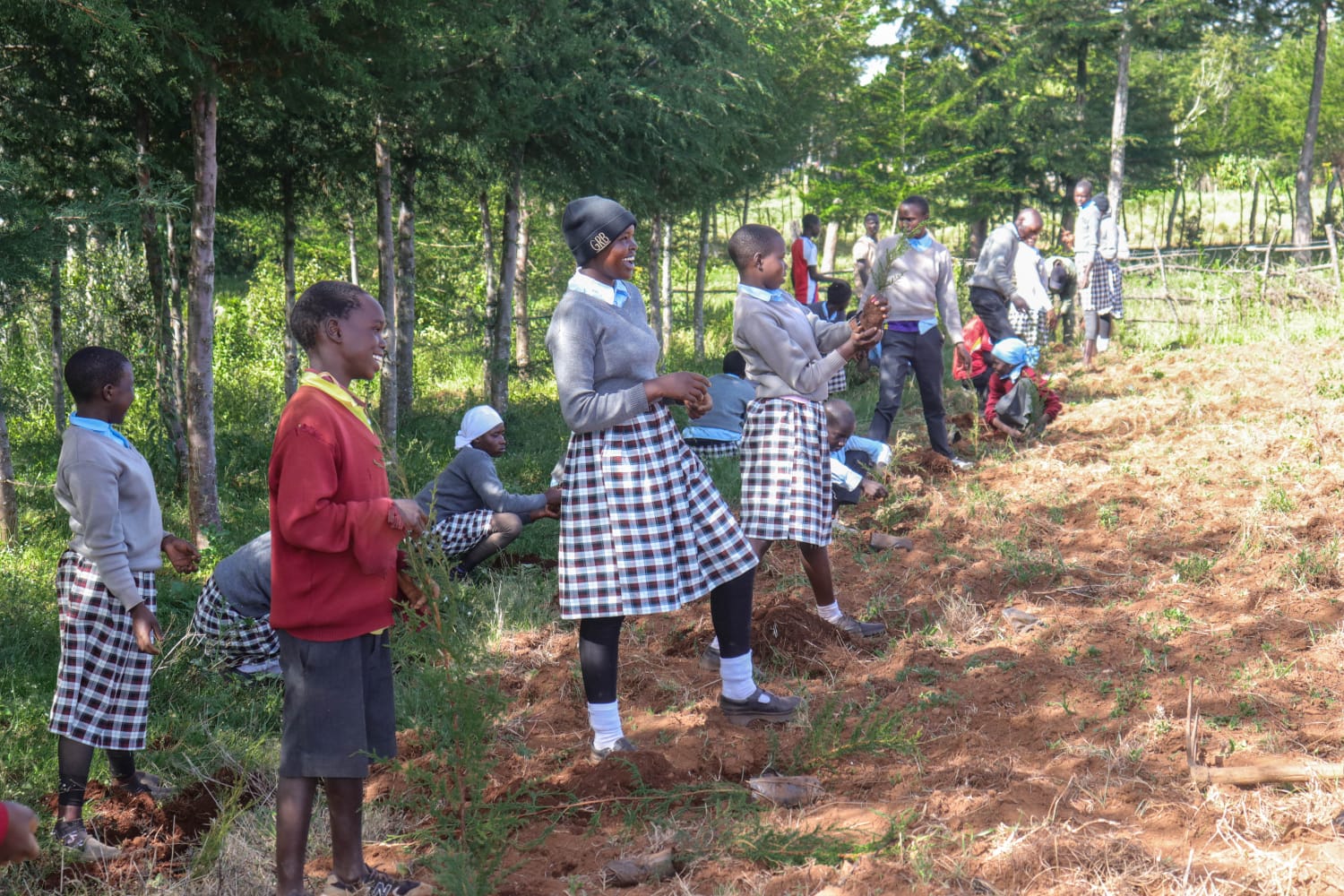
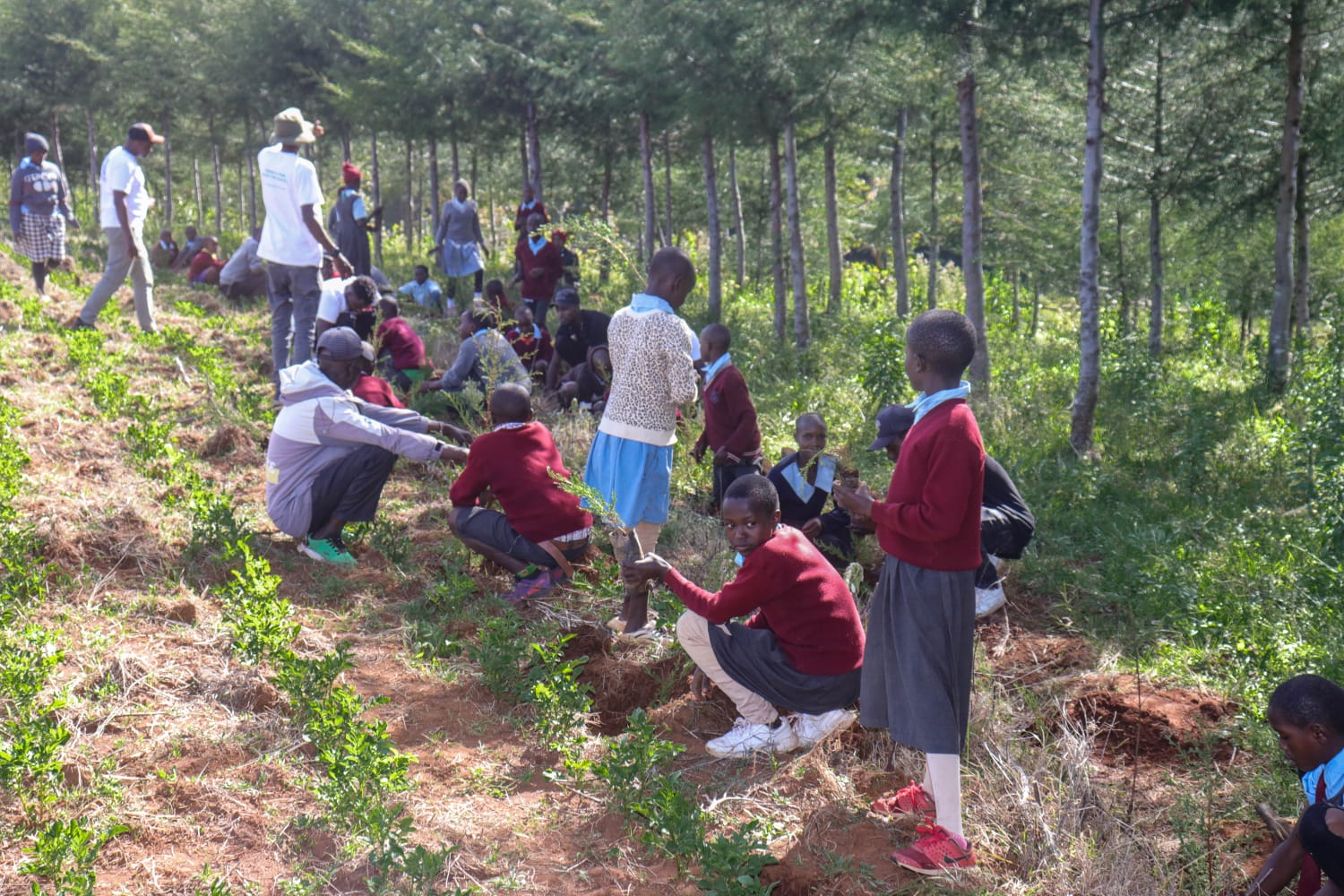
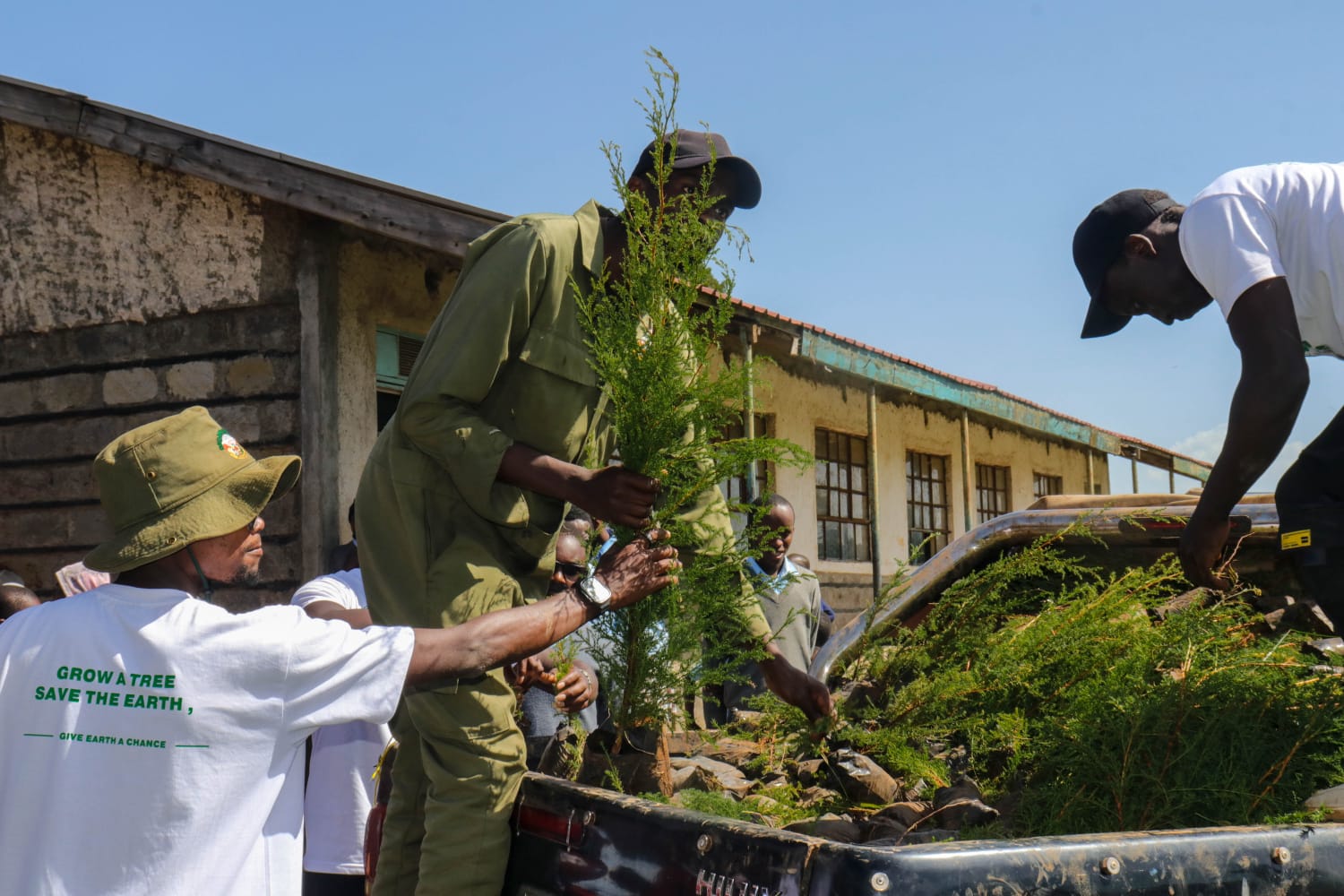
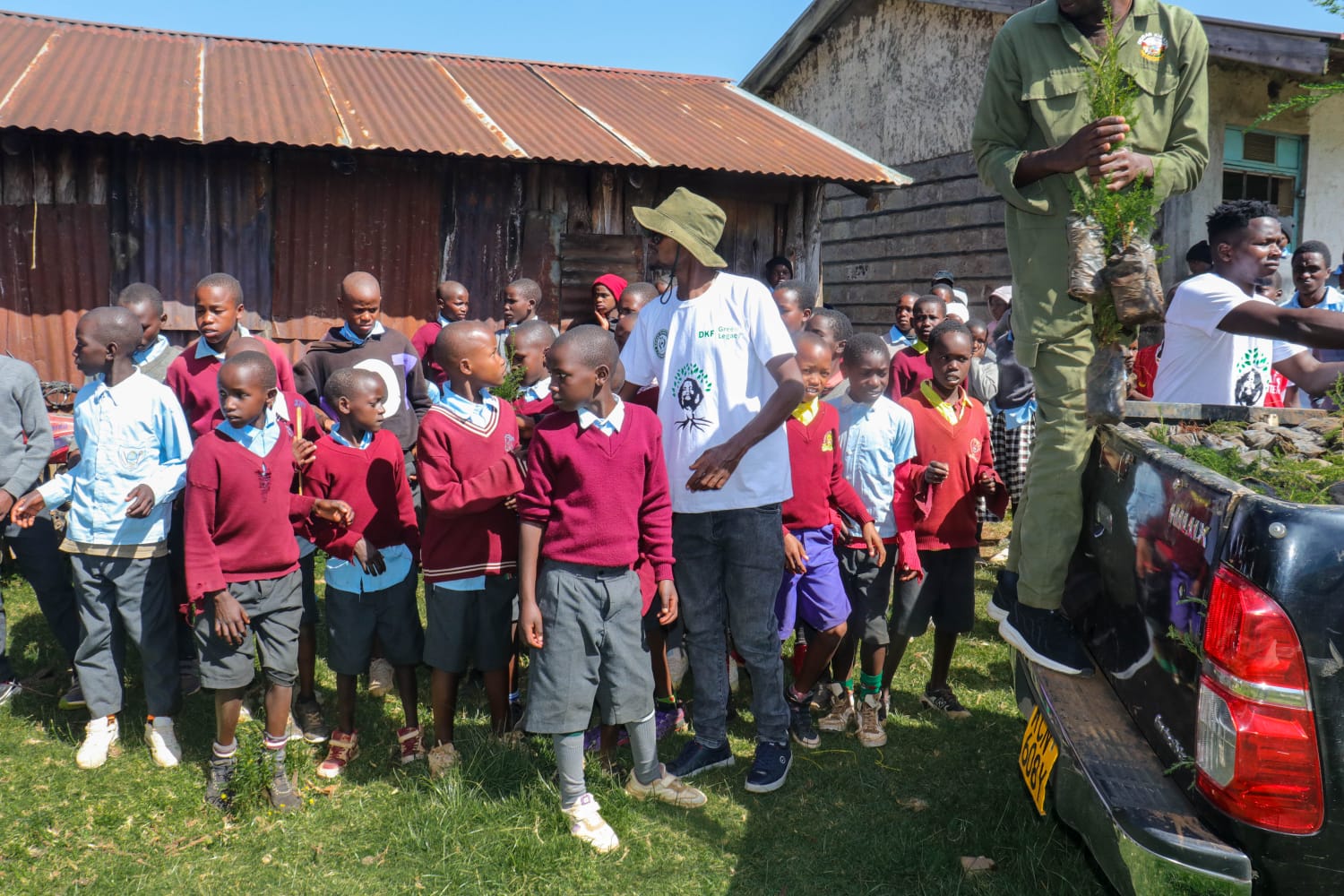
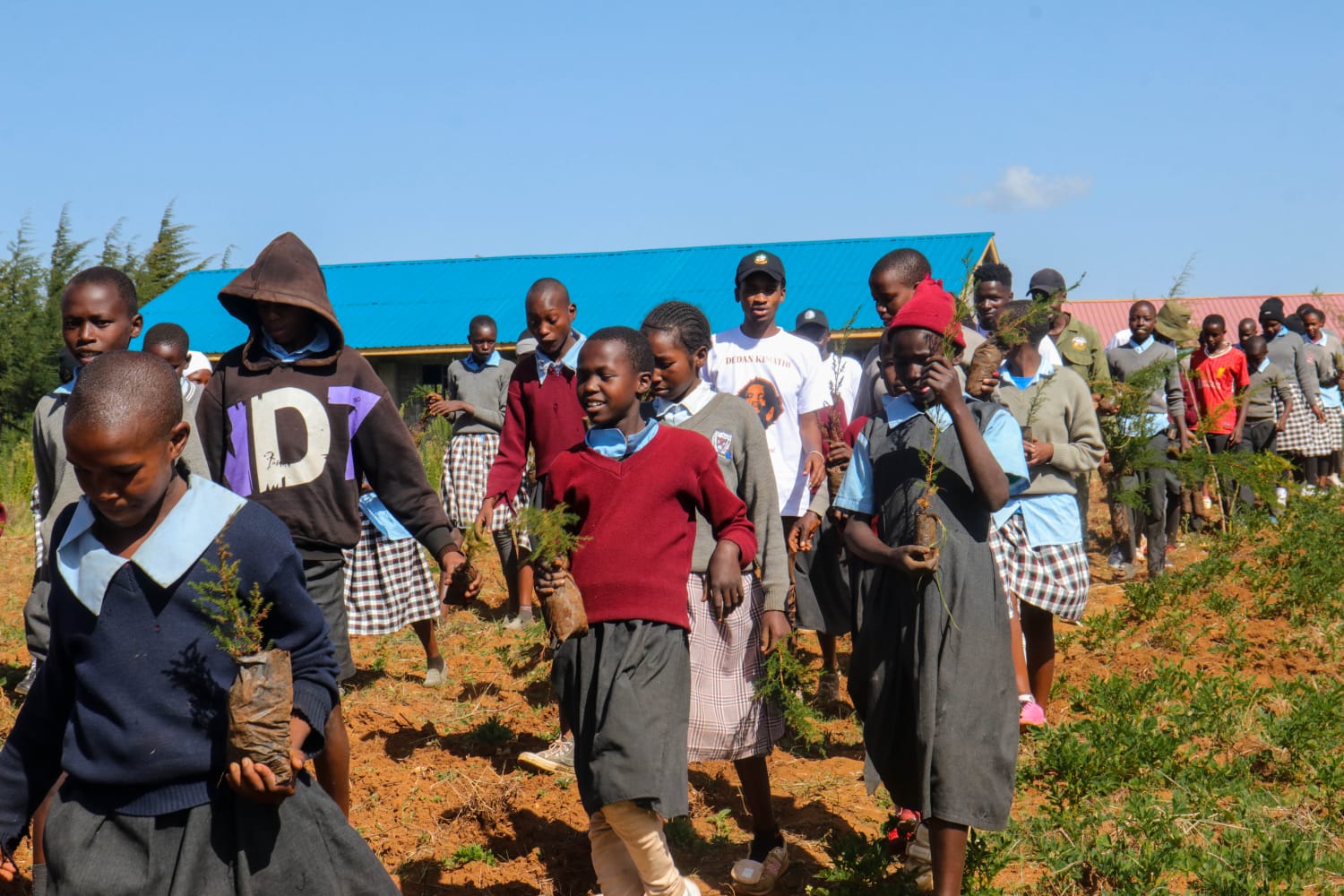
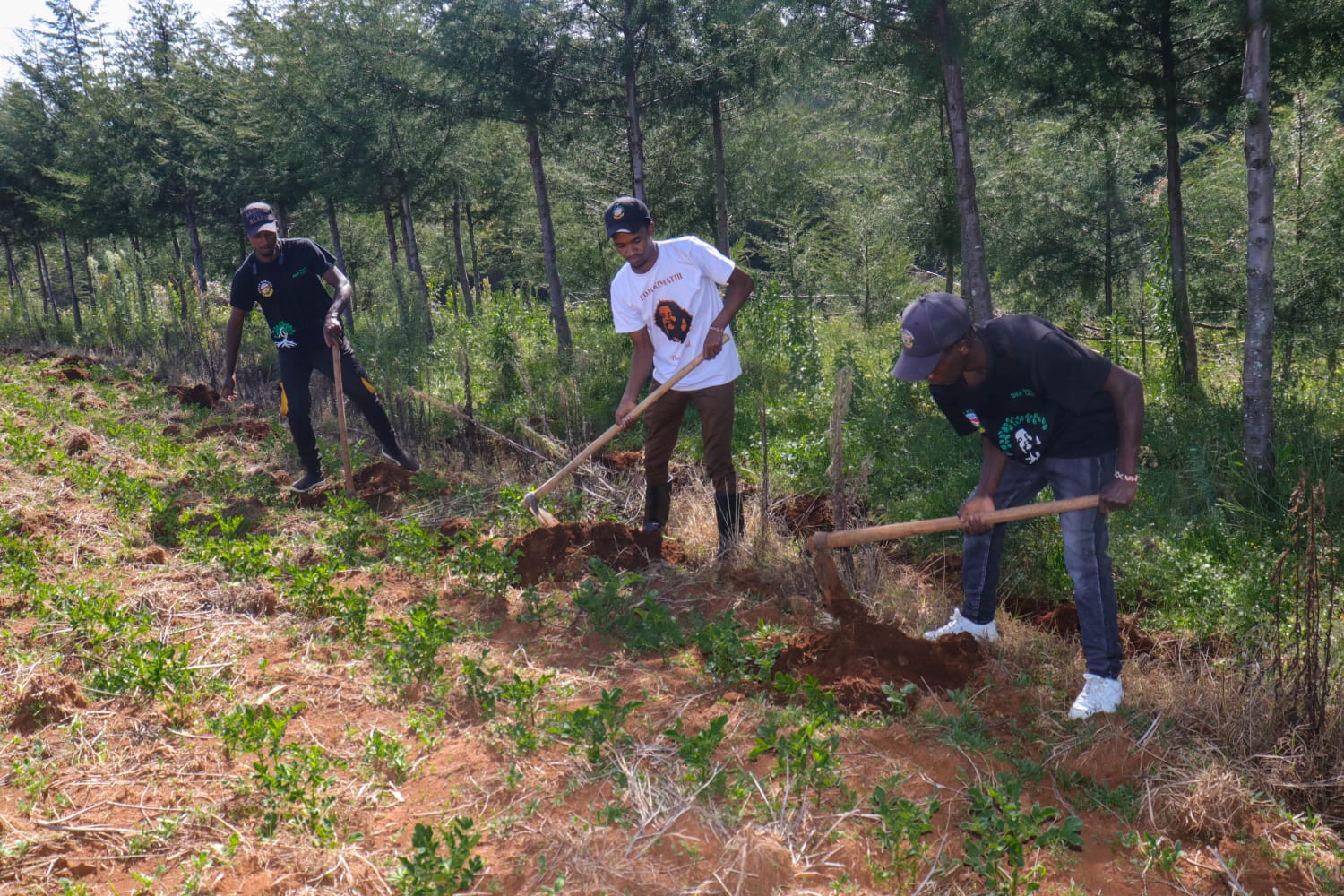
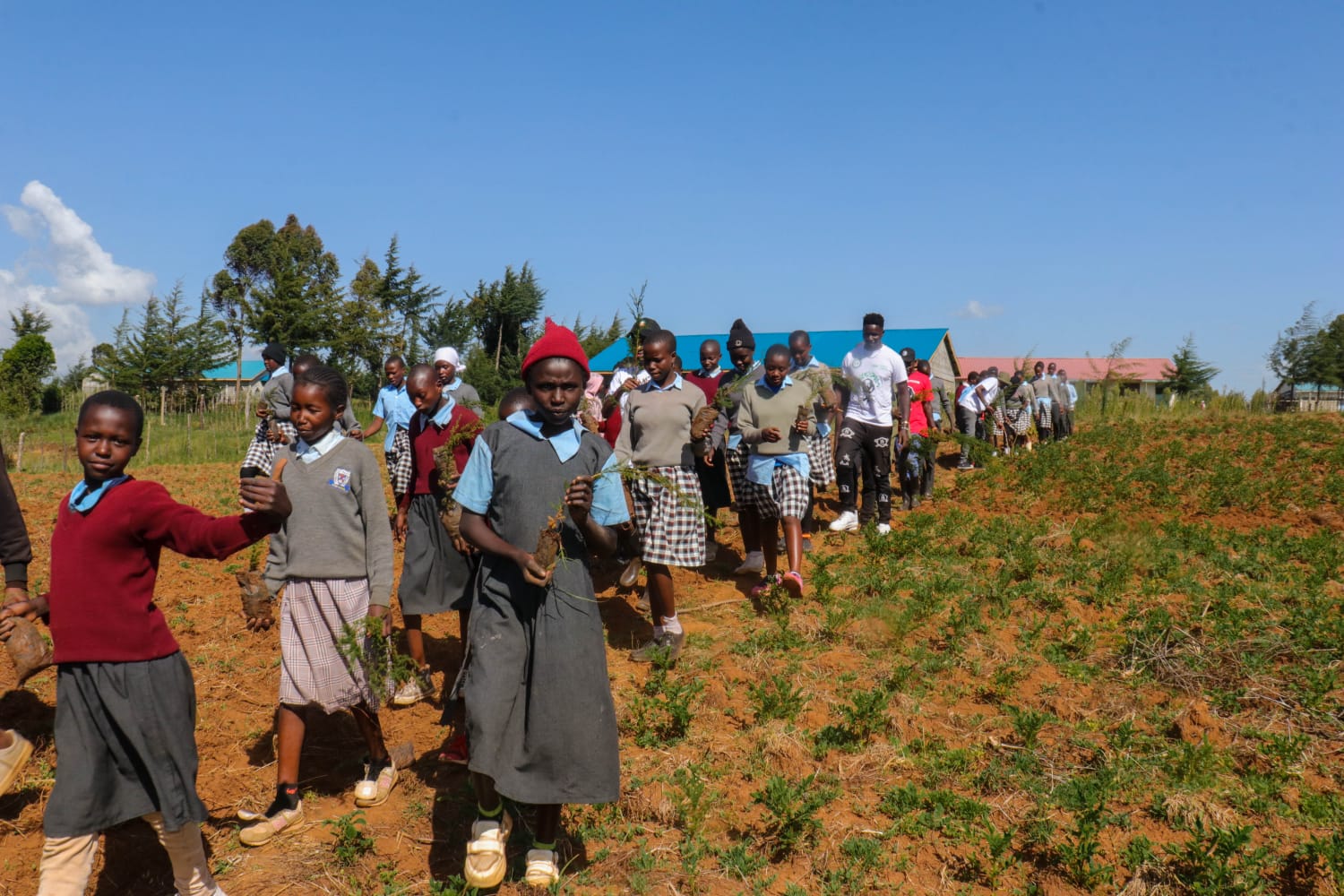
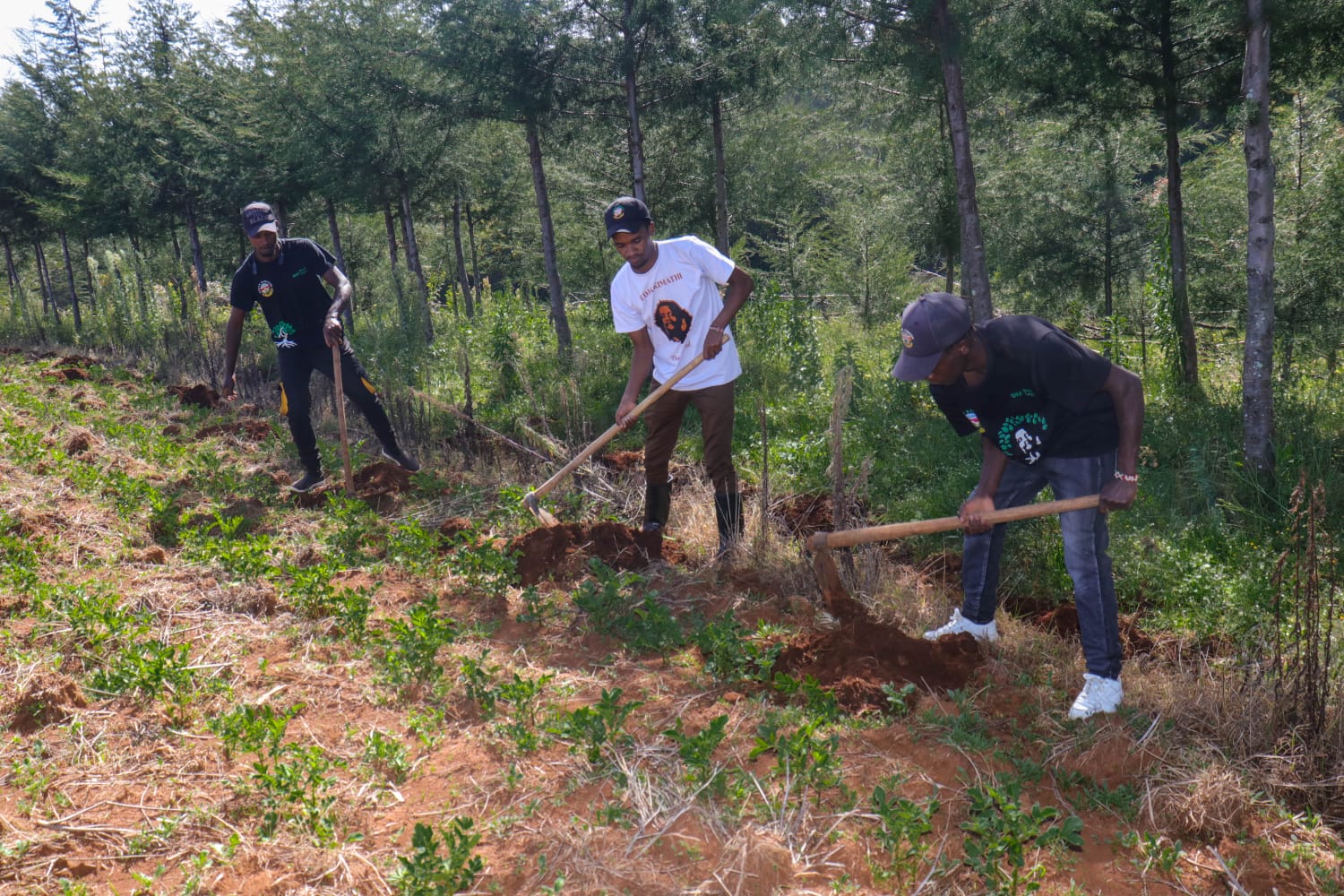
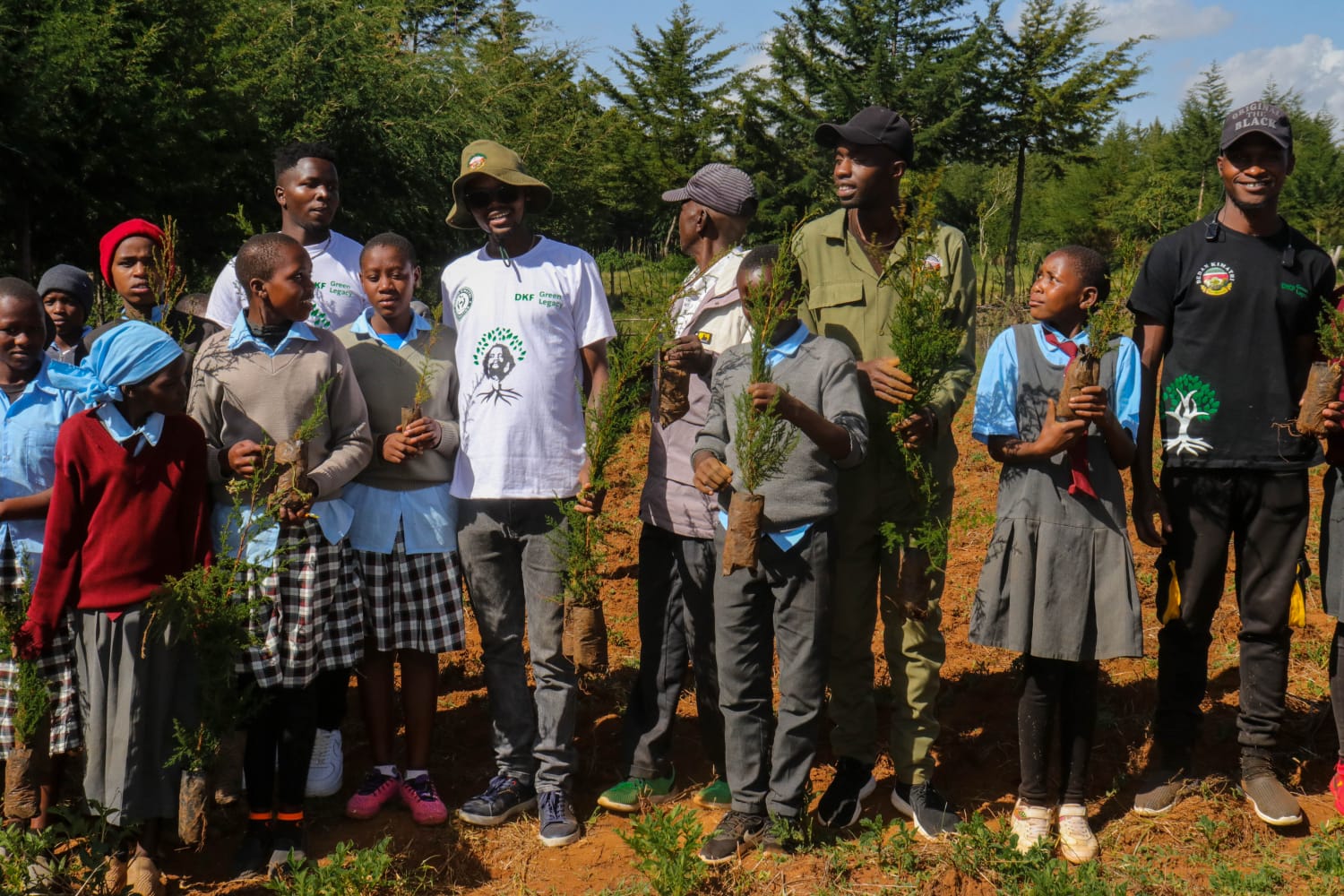
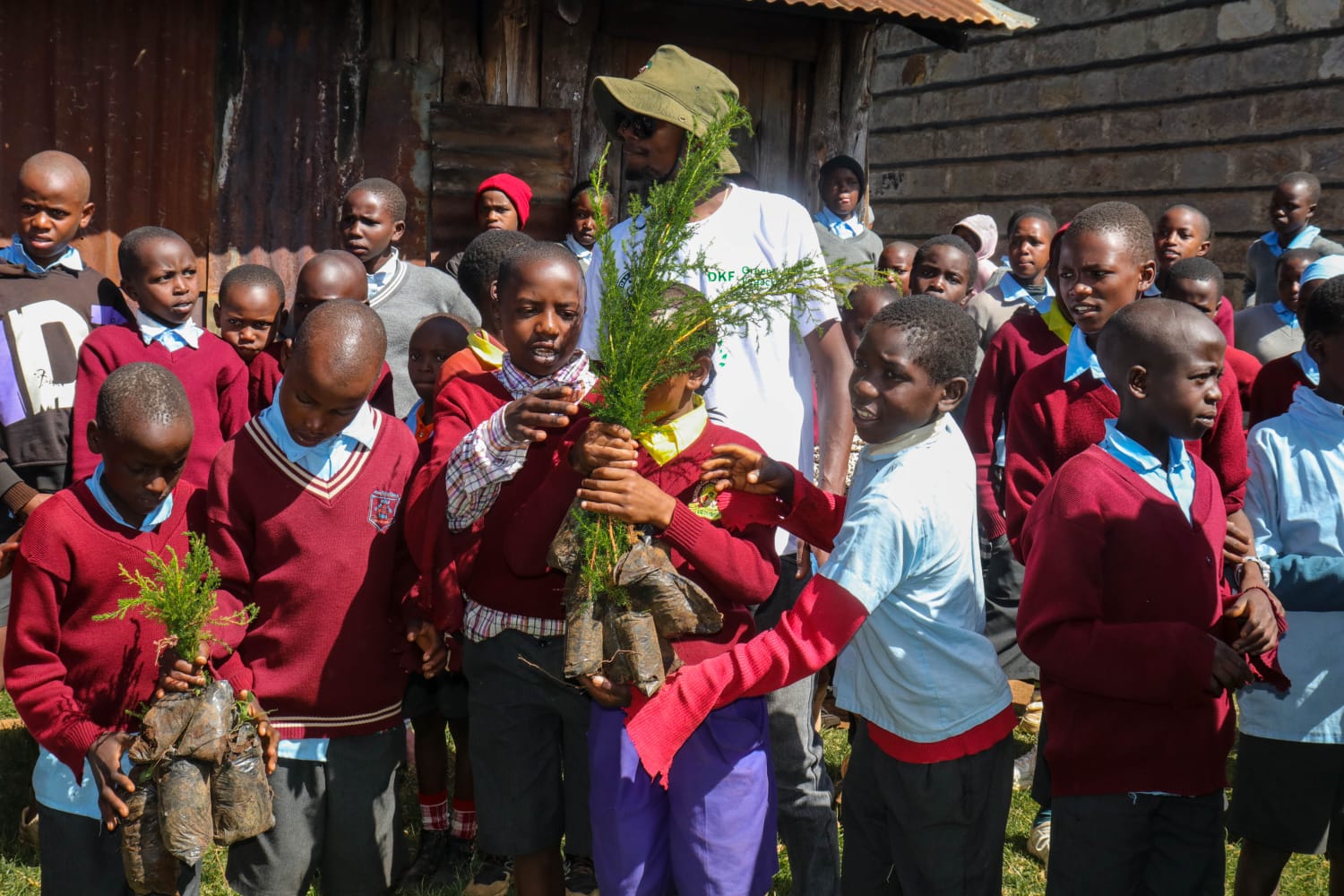
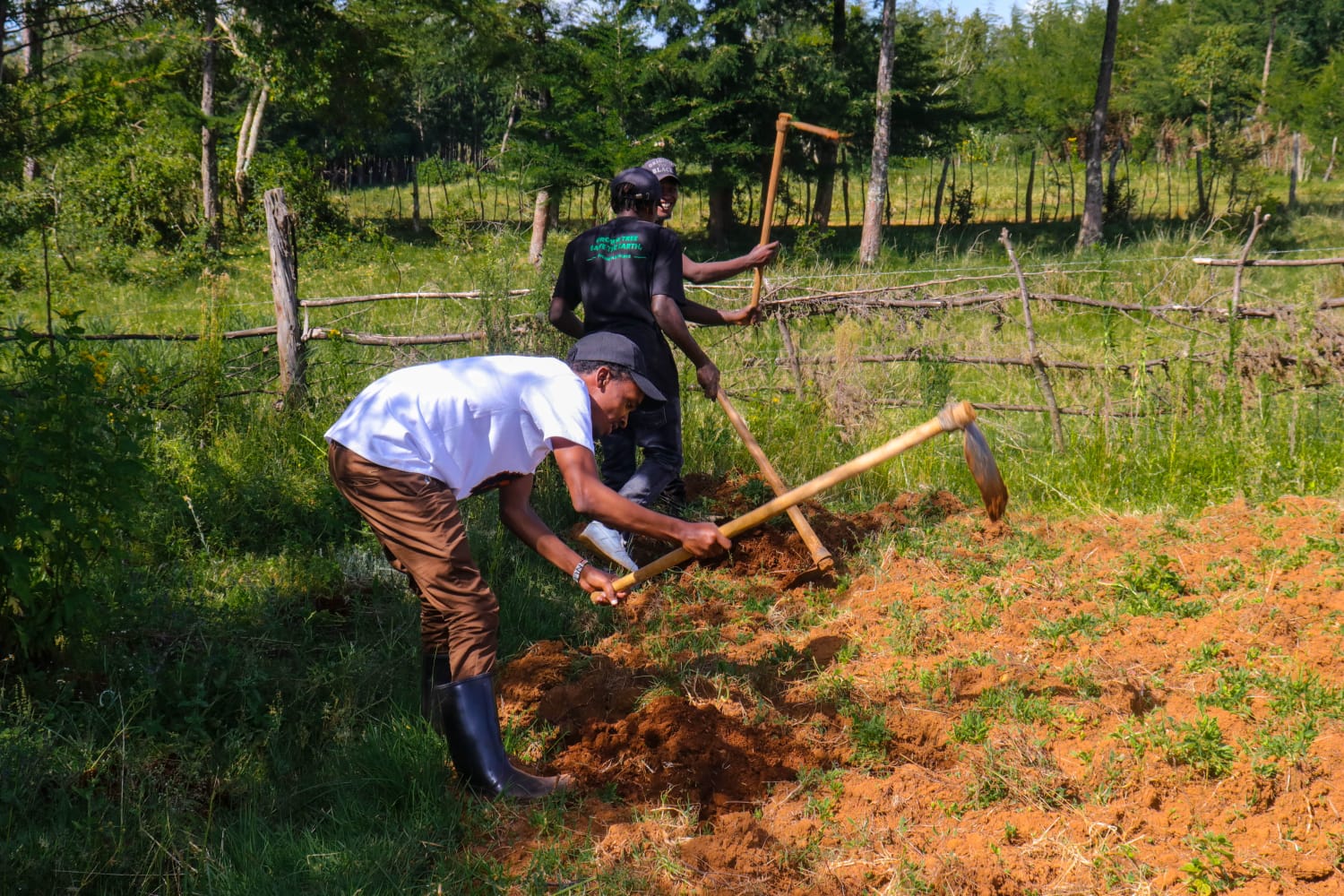
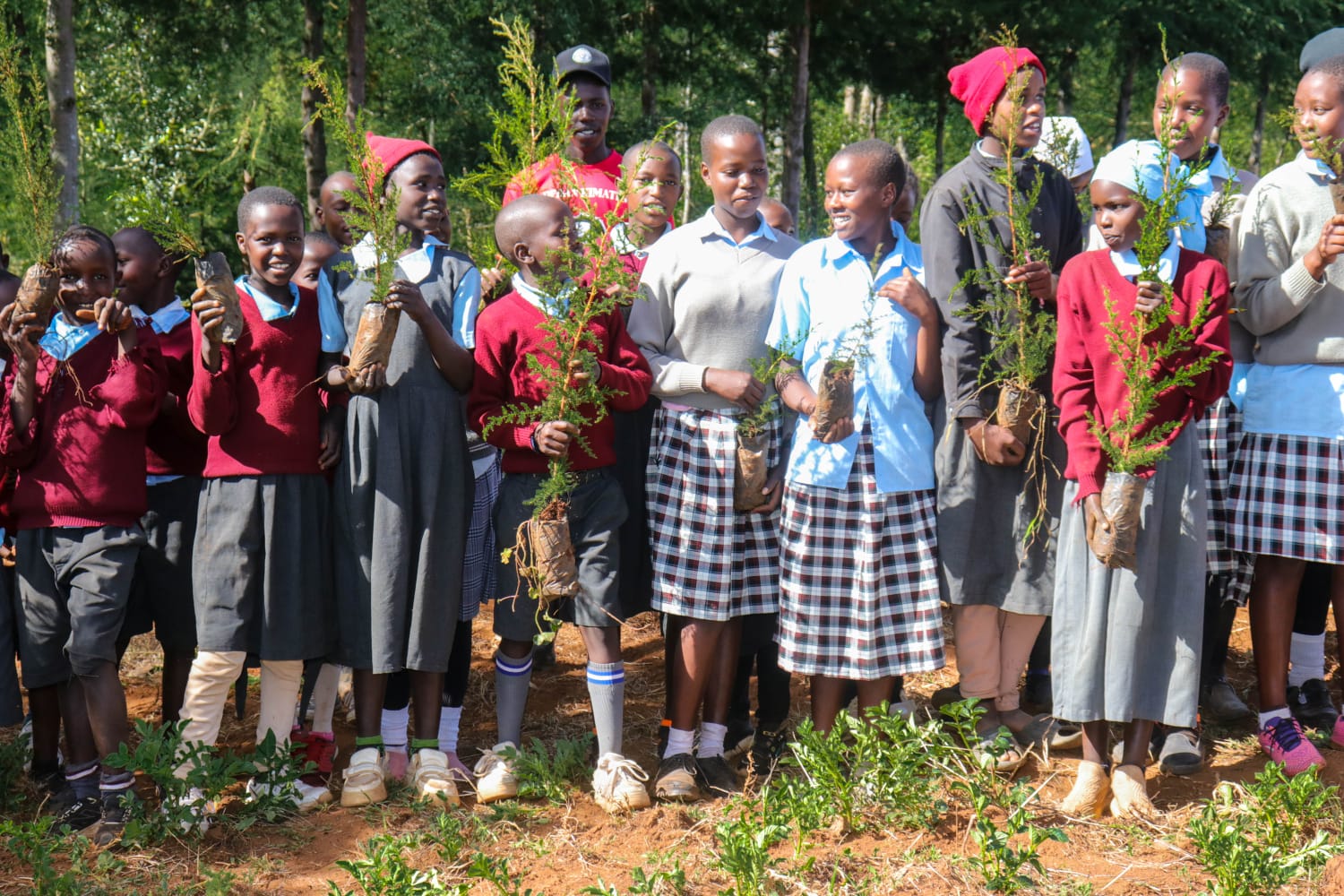
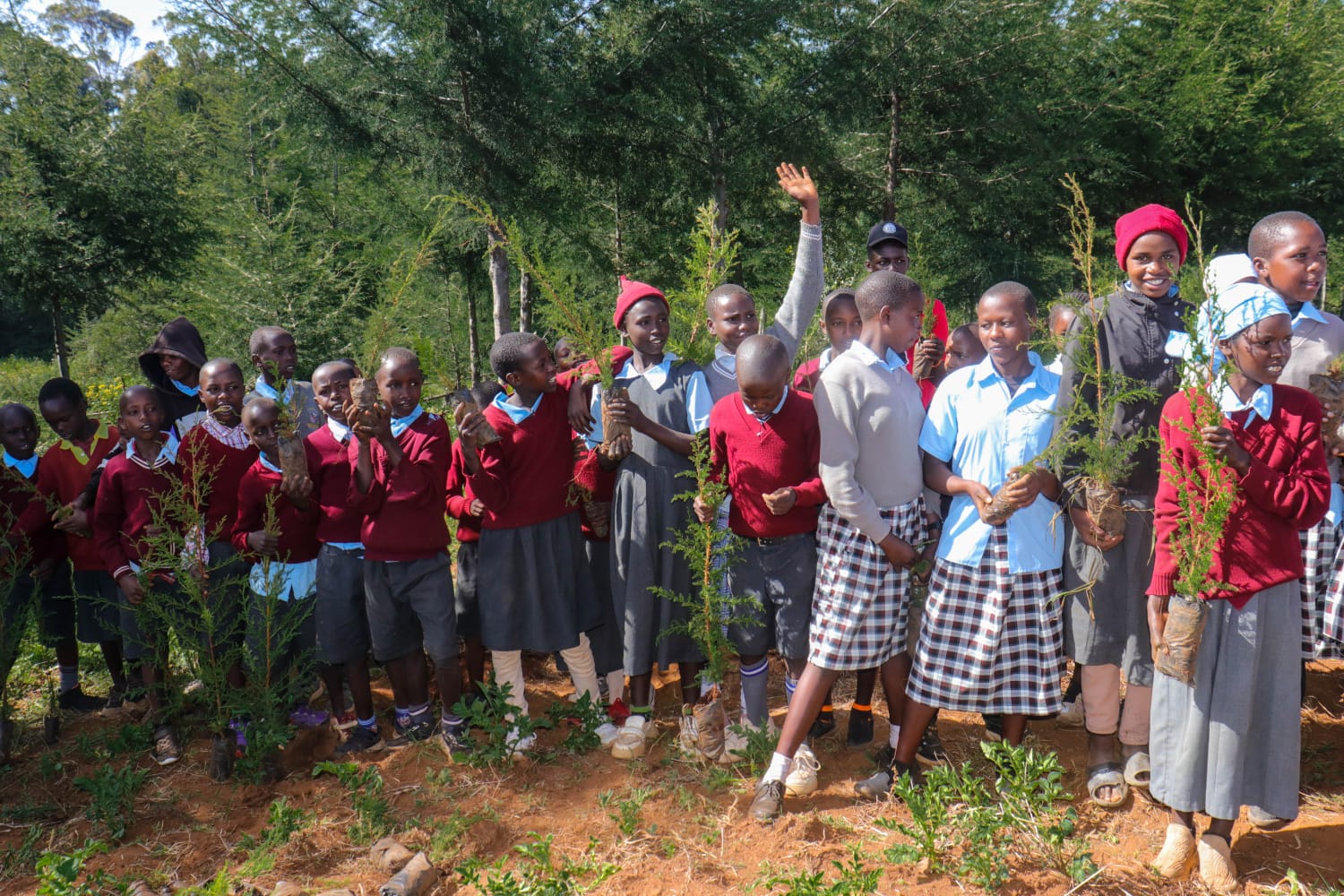
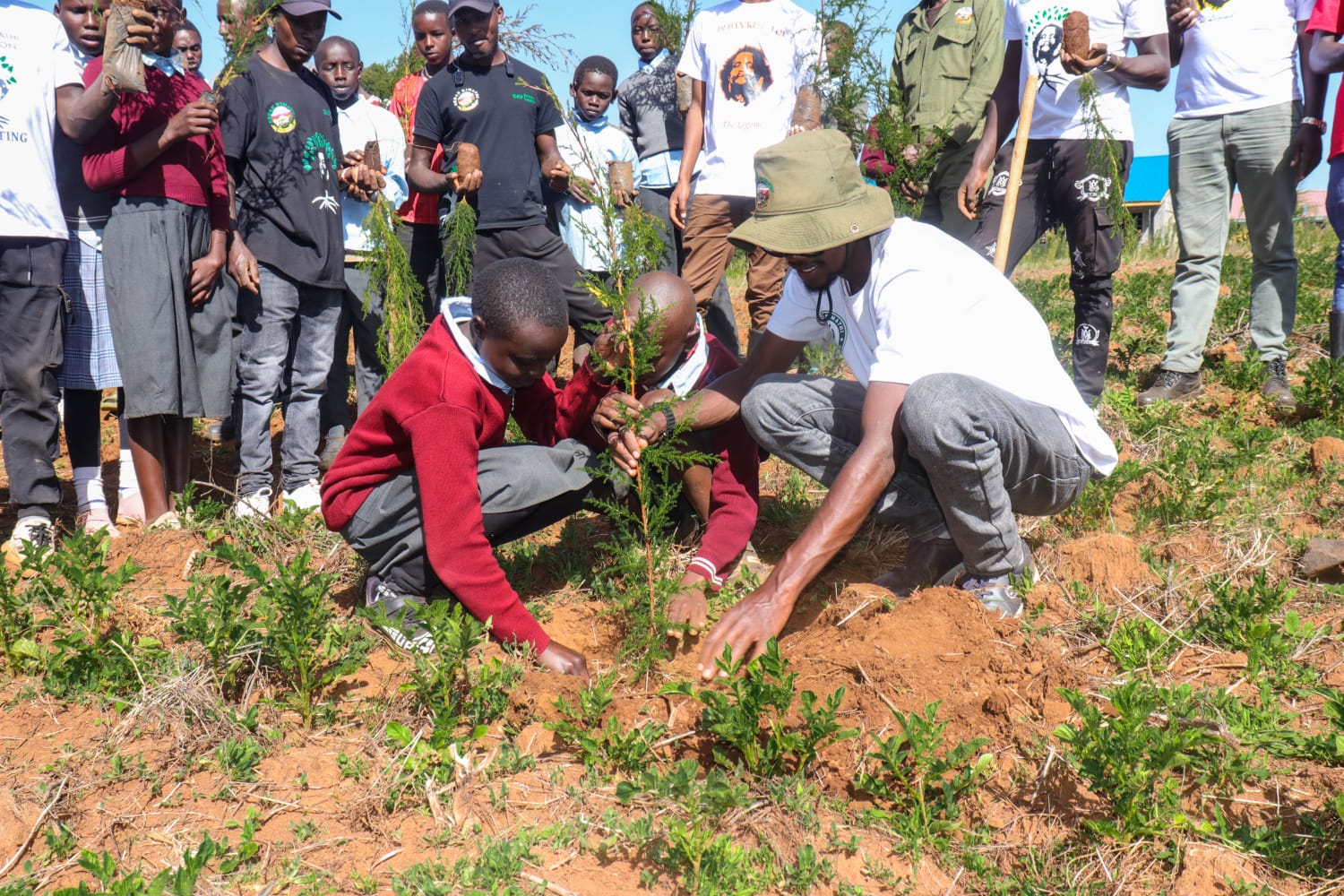
Yesterday, a section of DKF environmental team fulfilled a pledge previously extended to Siwot Comprehensive School headteacher, Mr. Bii. During the official launch of the MFC-ICLIP on 10th October 2025, the Chief Executive Officer of DKF, Ms. Evelyn Wanjugu Kimathi, gave her word to the school that they would receive a donation of 2,000 cypress and avocado saplings to be planted within the school compound and shared with a local women’s group in Siwot Ward. DKF crew successfully transported the 2,000 cypress seedlings to the institution located in Kuresoi South in Nakuru from the foundation’s central tree nursery in Kinangop; Nyandarua County.
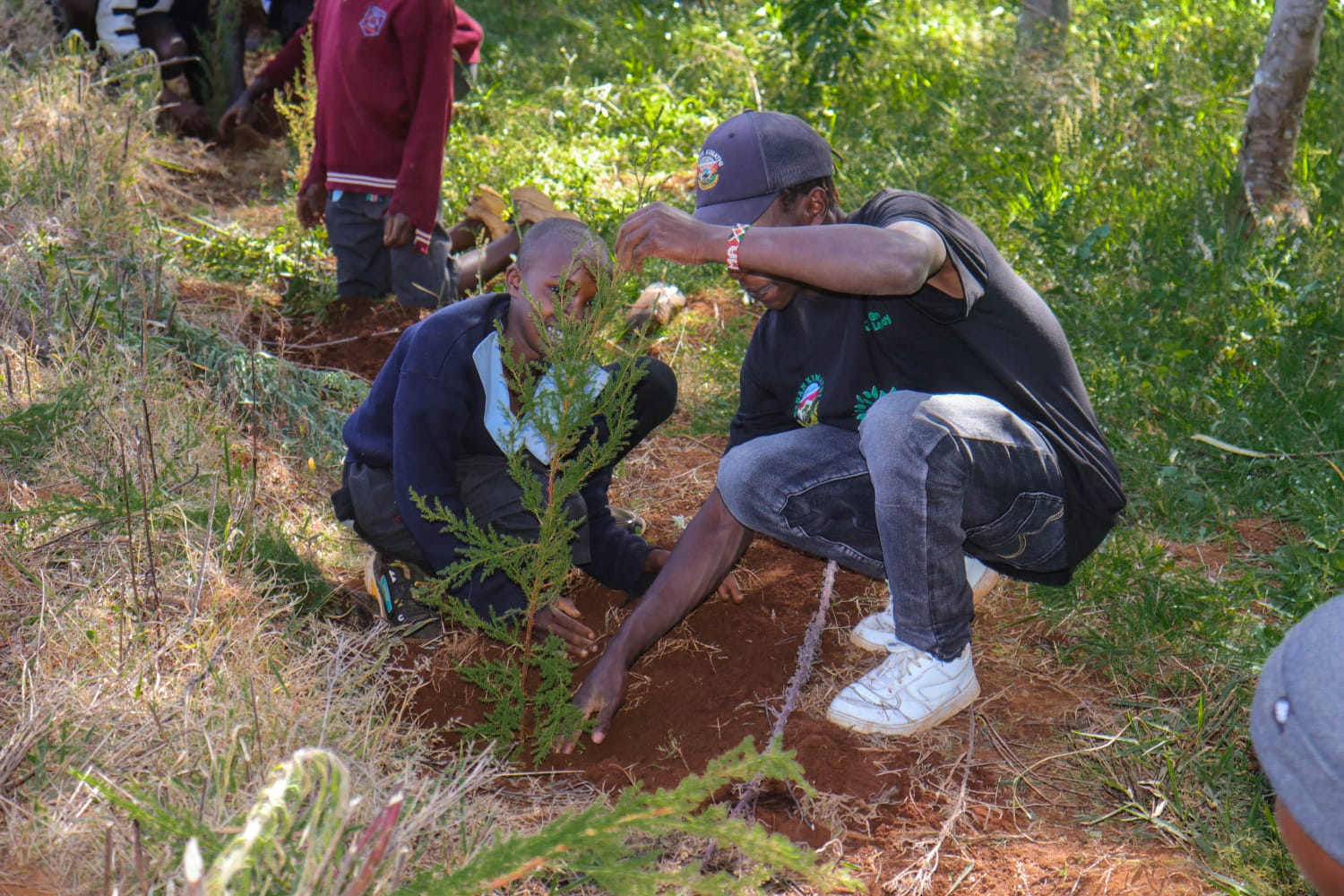
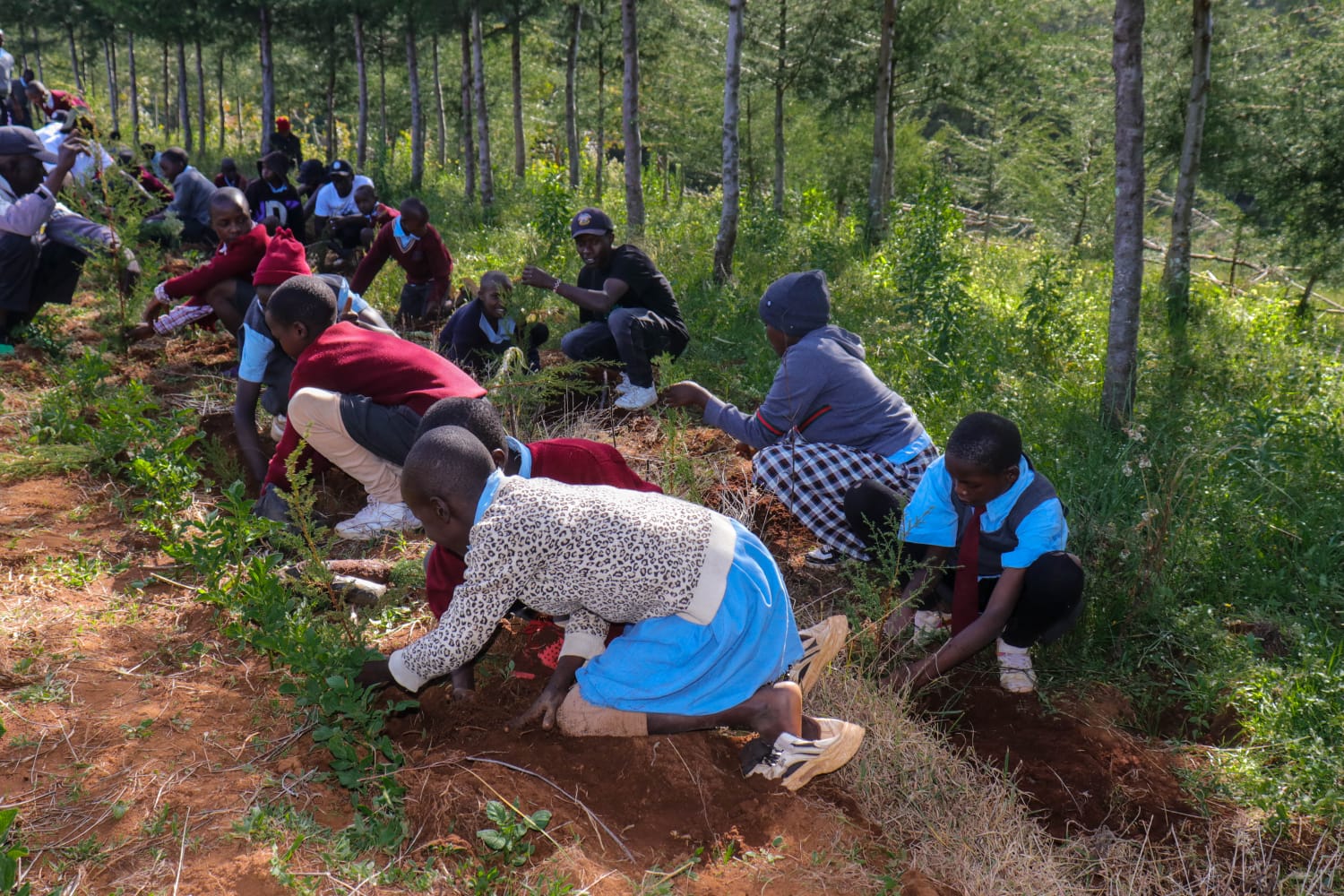
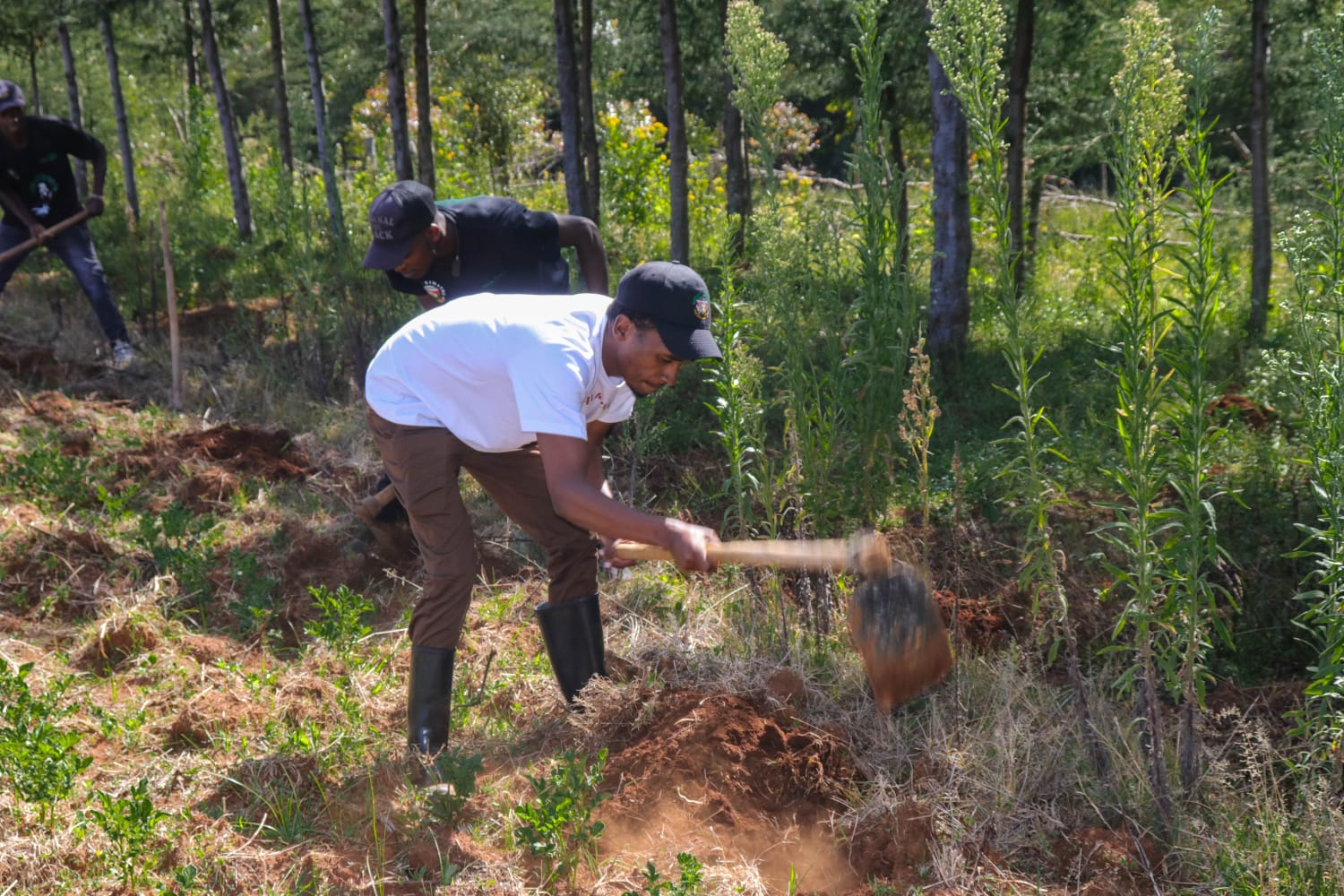
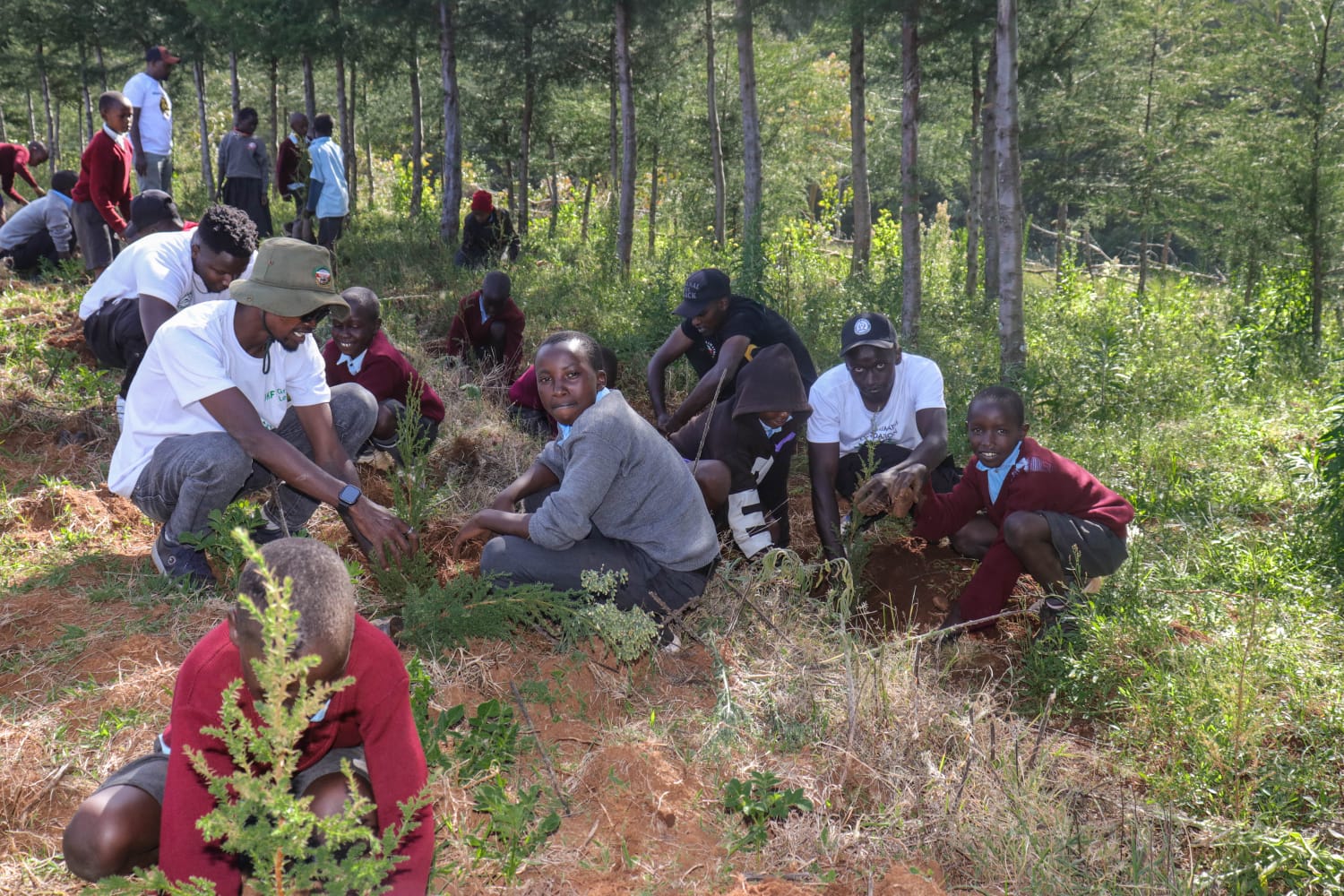
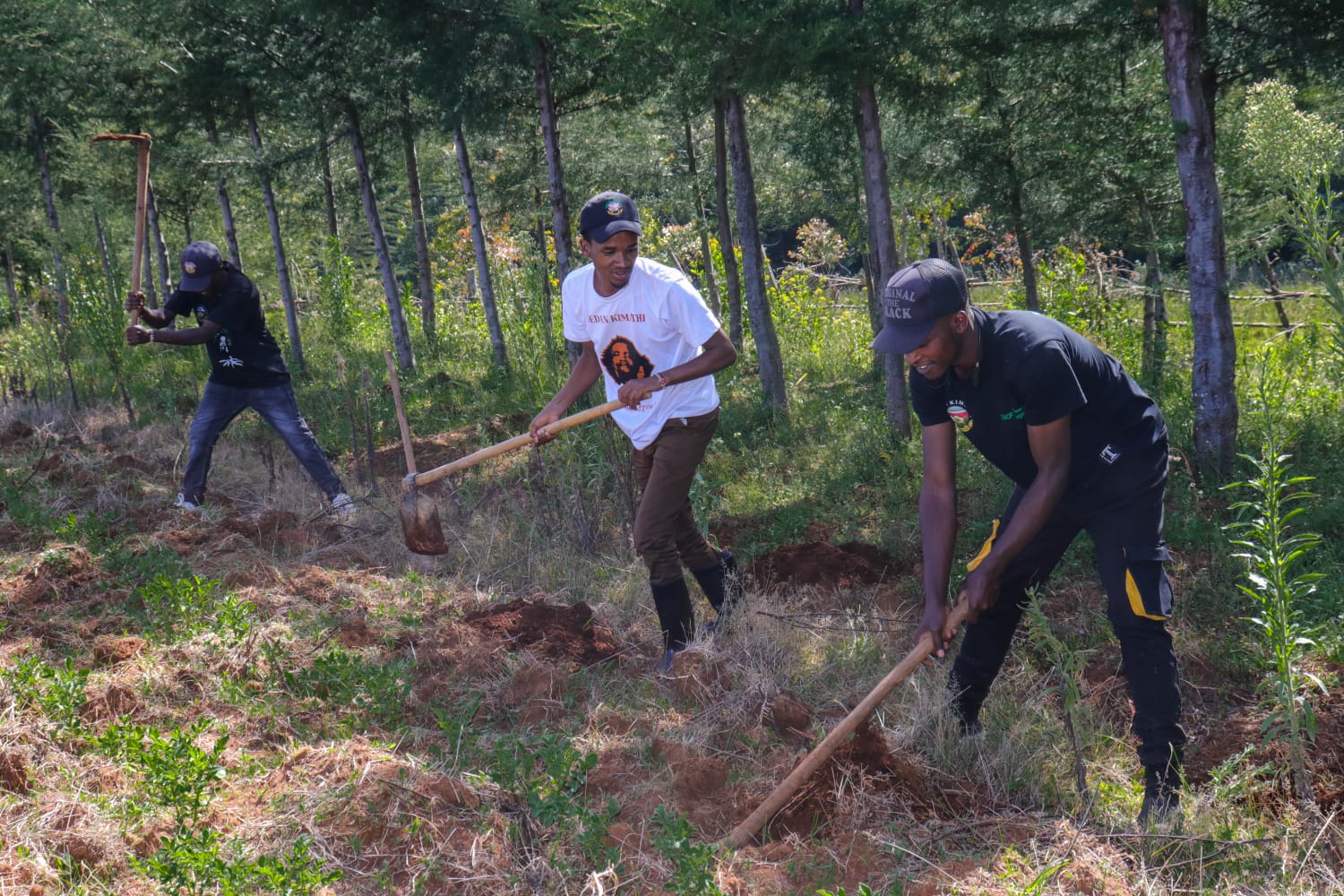
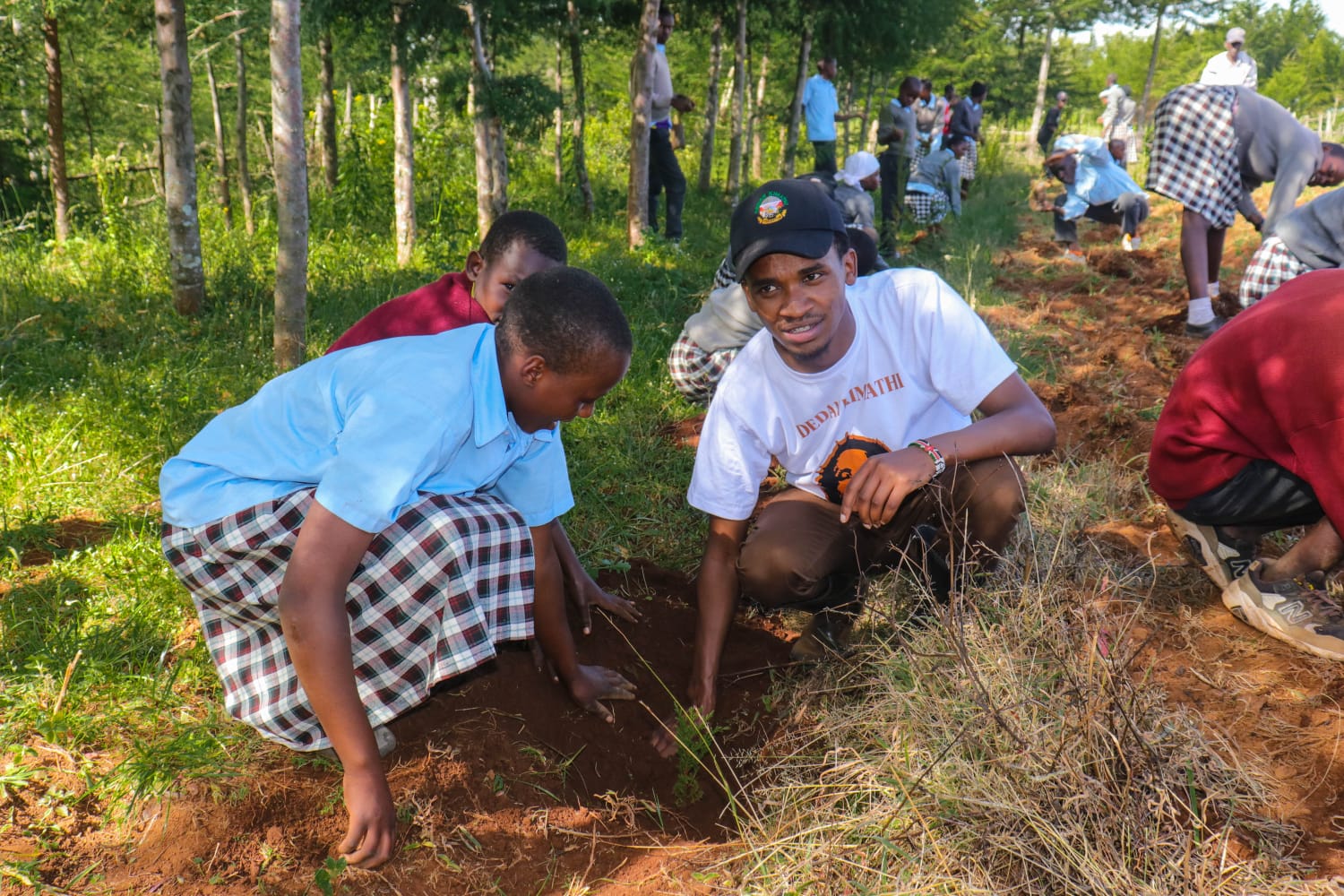
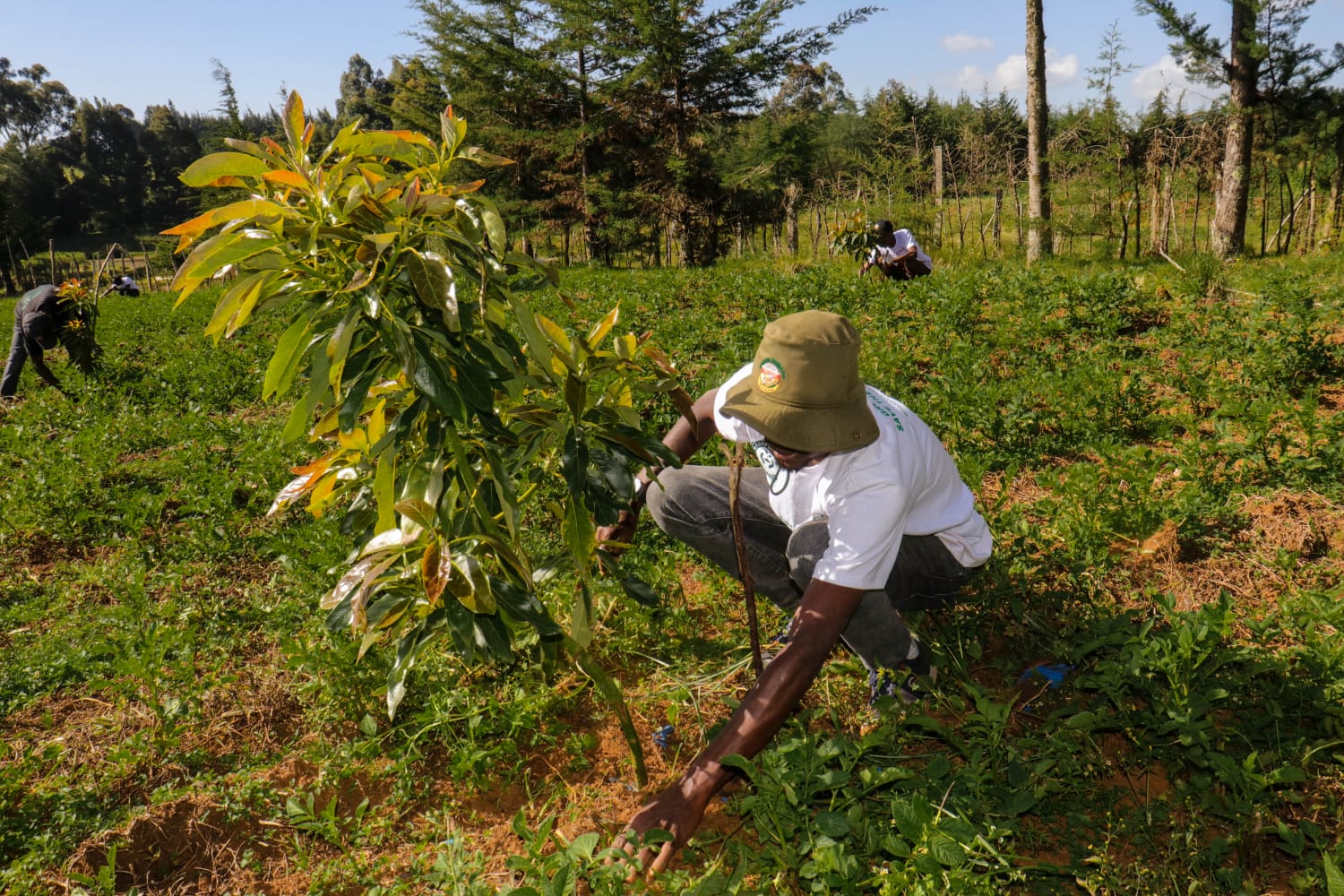
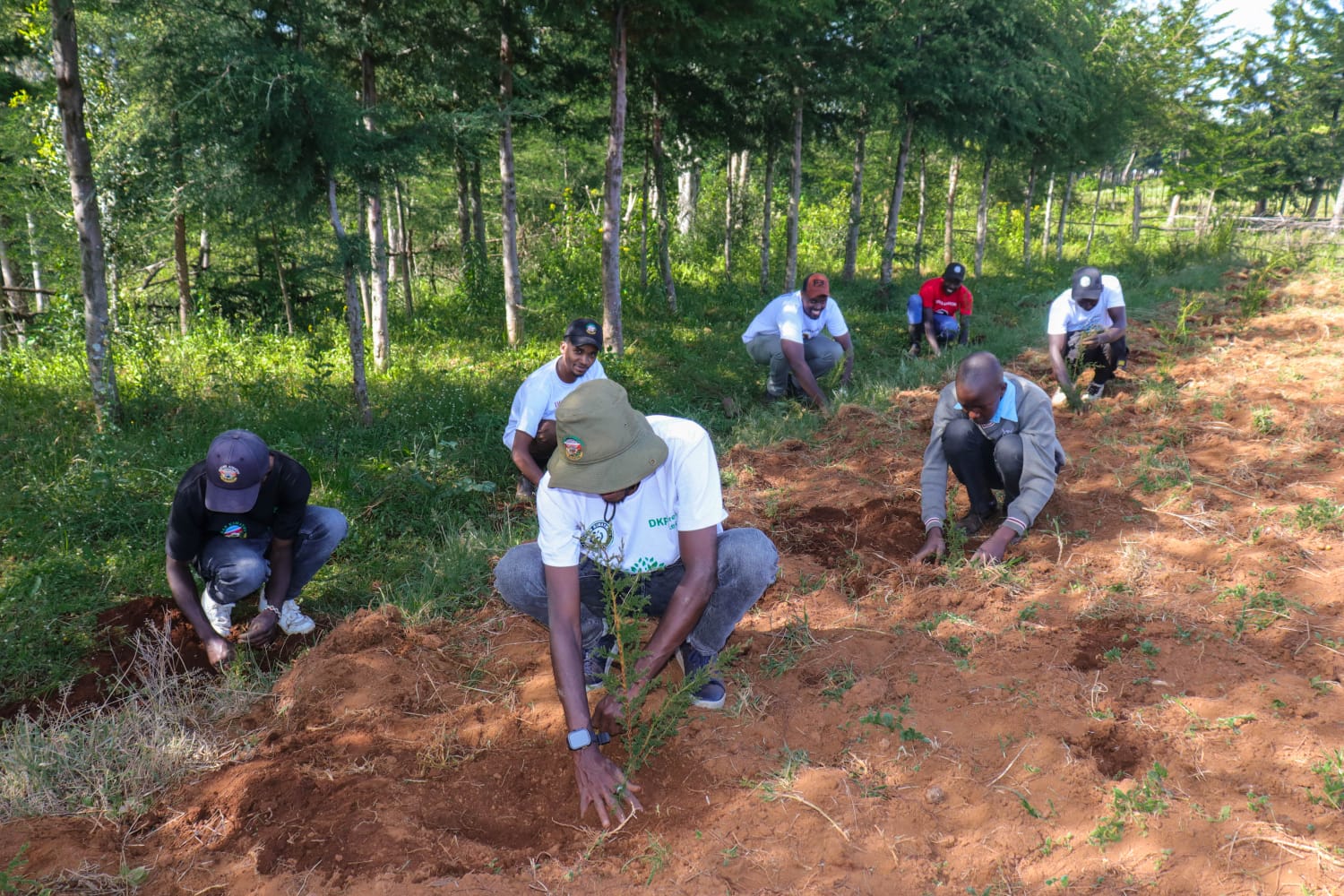
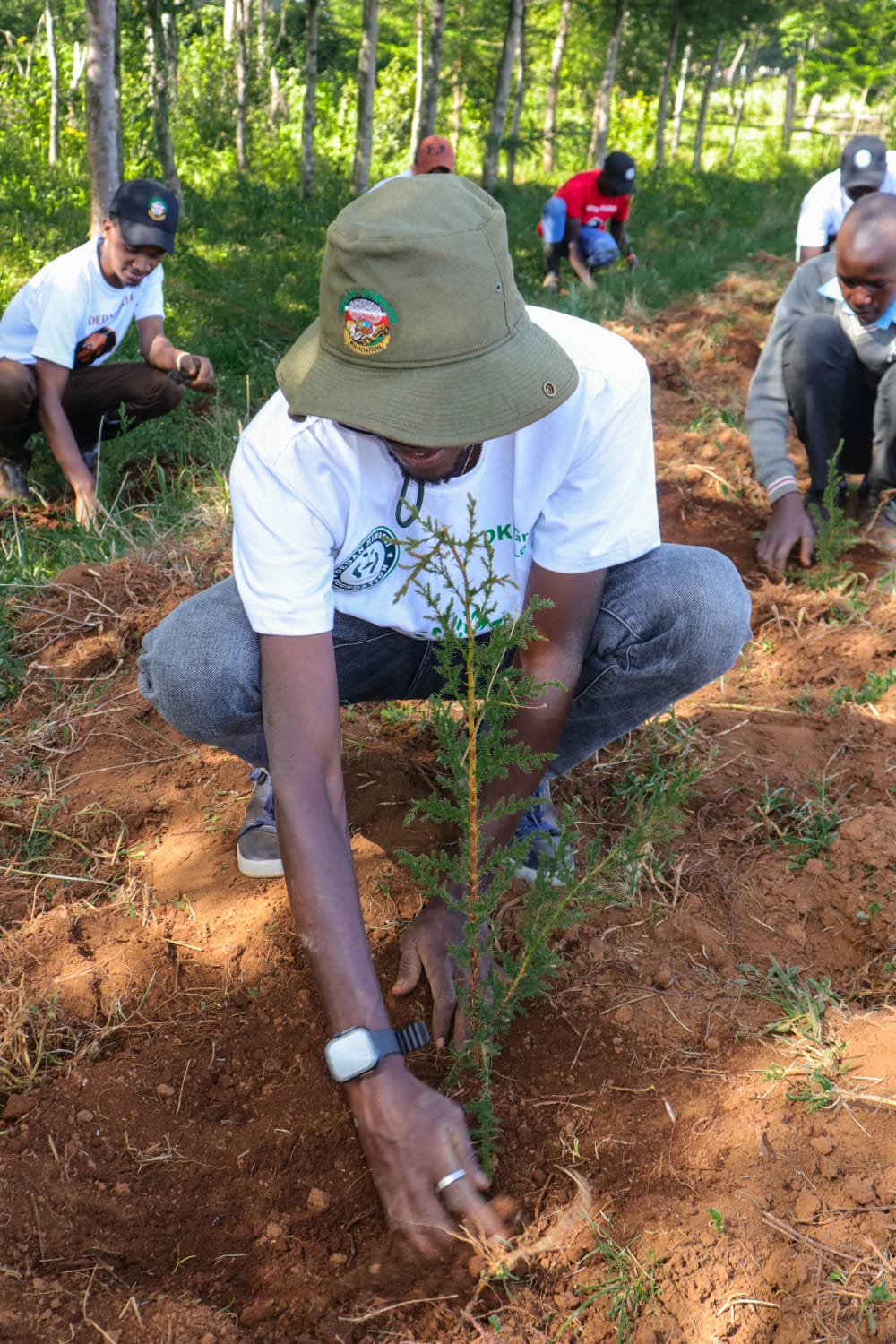
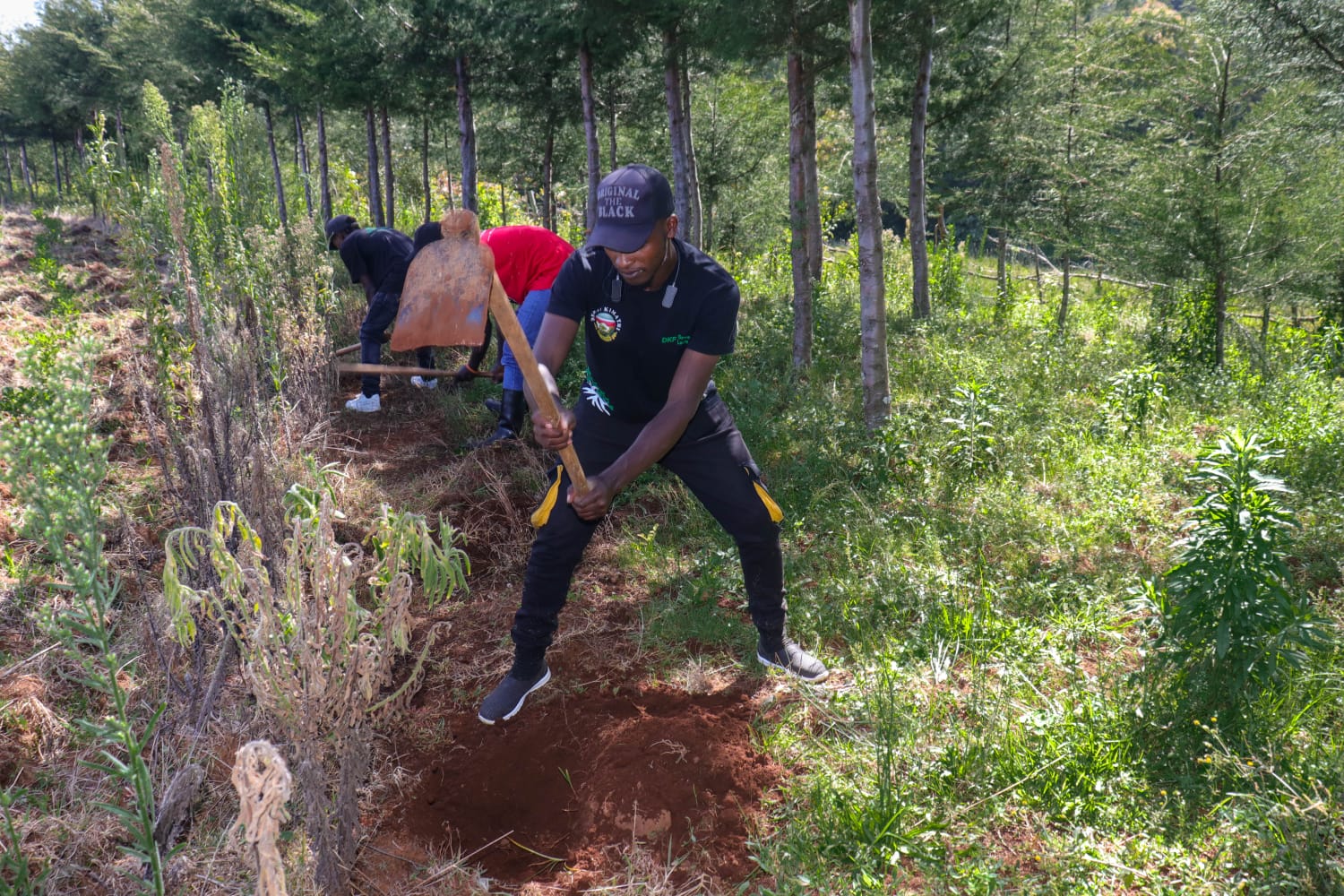
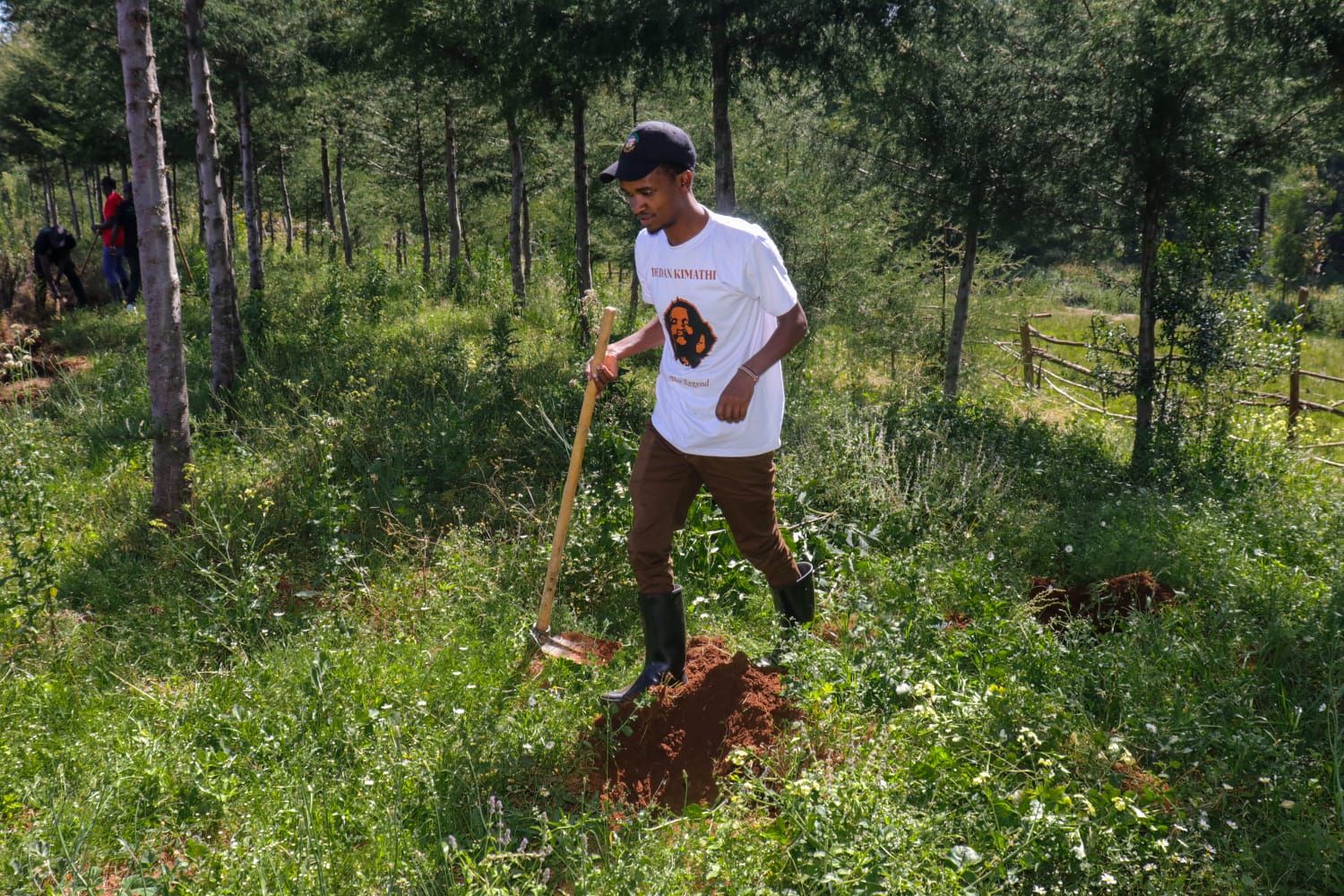
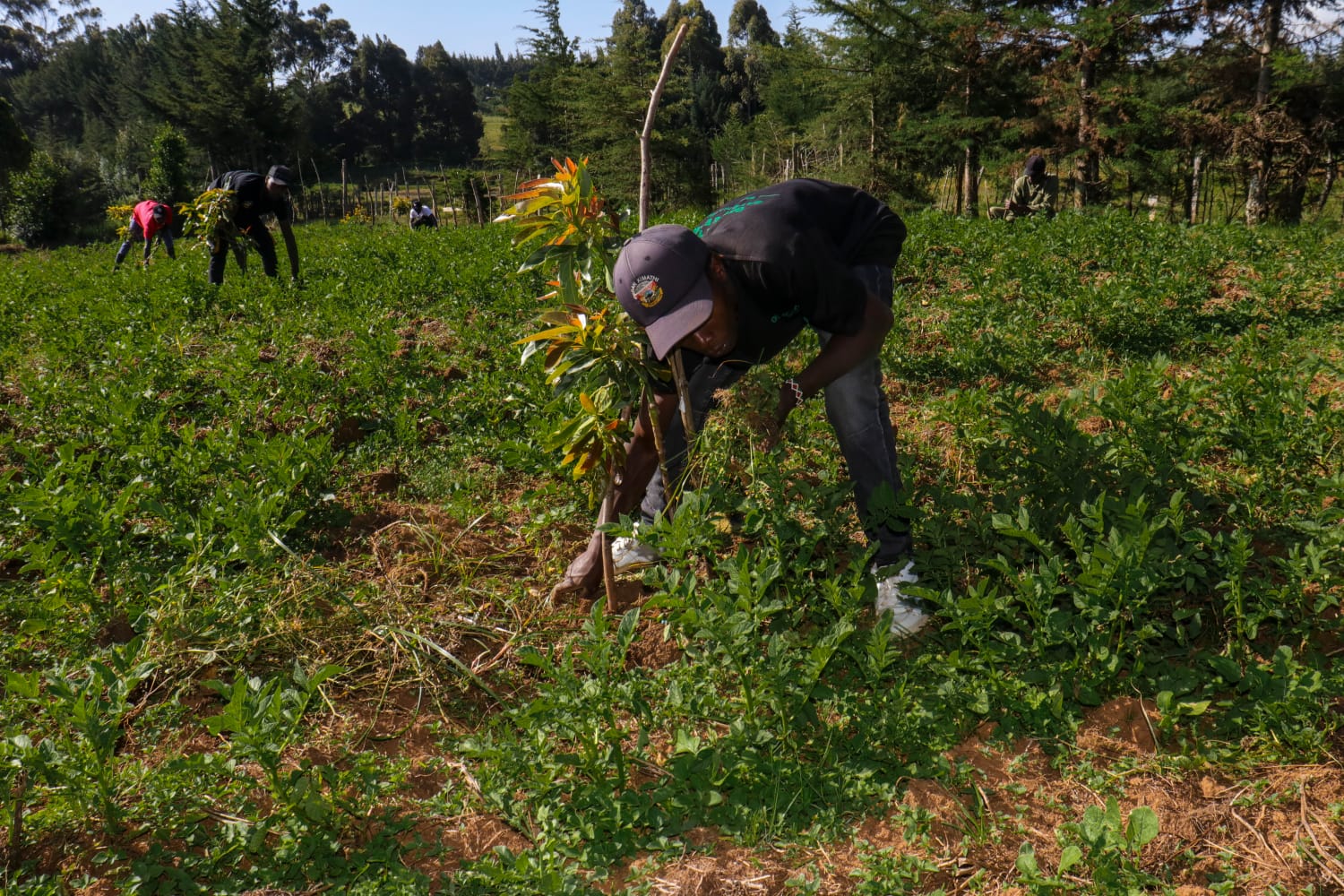
After site preparation, the team engaged the eager school children in an interactive environmental conservation session that focused heavily on correct maintenance routines required to guarantee high survival rates and rapid development of the trees. The young scholars demonstrated a deep enthusiasm for trees, listing the diverse advantages that forests offer. Every student from grades 7, 8, and 9 participated by planting and adopting a few trees each. They committed themselves to watering the young plants and keeping them safe so they can thrive.
While a significant amount of attention is directed toward growing native tree varieties for ecological restoration purposes, DKF maintains the stance that the advantages offered by exotic tree varieties remain unparalleled. Exotic tree species provide substantial economic empowerment because they can eventually be logged for timber and utilized as firewood, which serves as the primary fuel source for heating for nearly every household living near the Mau Forest. Growing more exotic trees in schools and private farms will diminish reliance on the natural forest; lessening demand for forest goods leading to a decrease in environmental degradation.
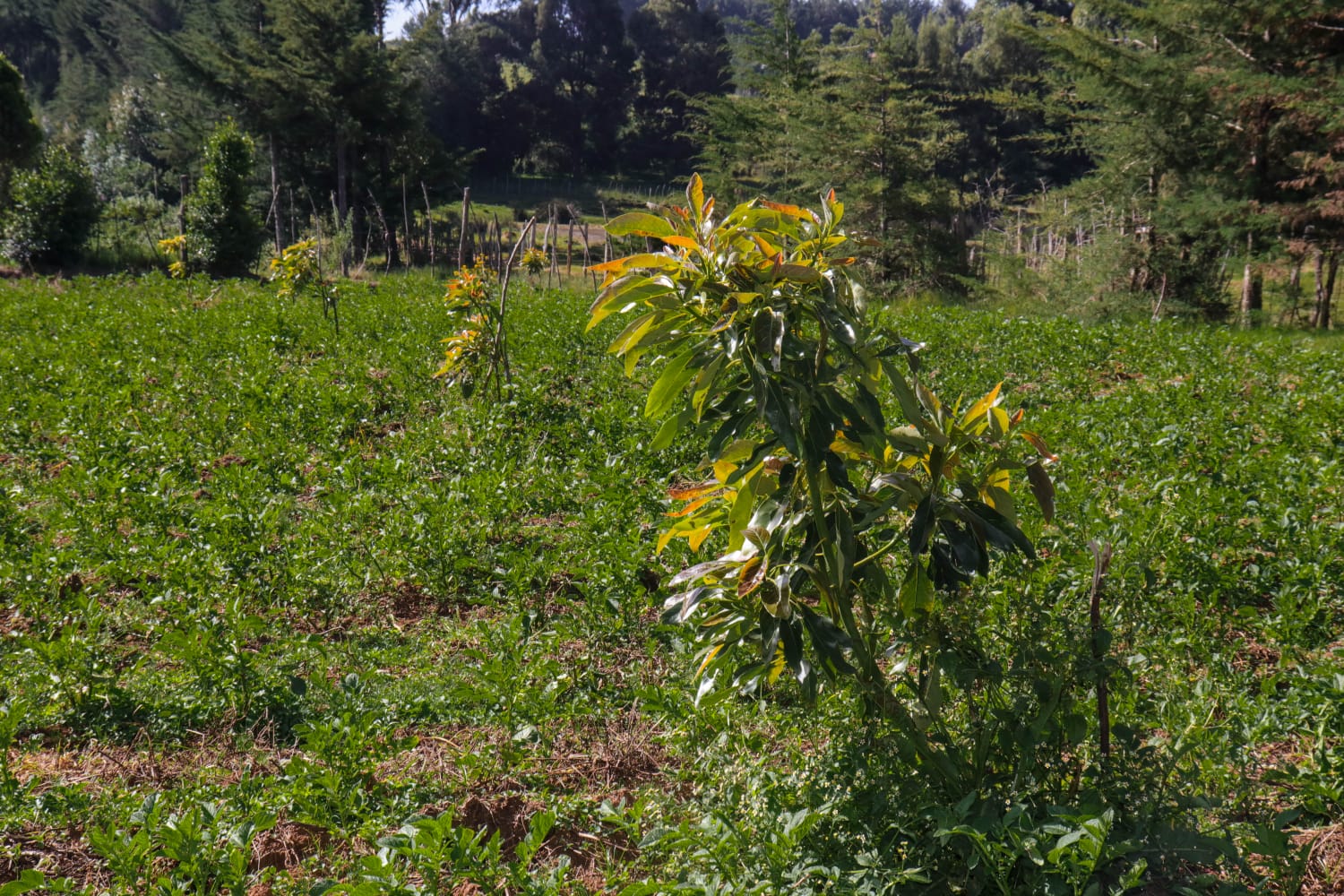
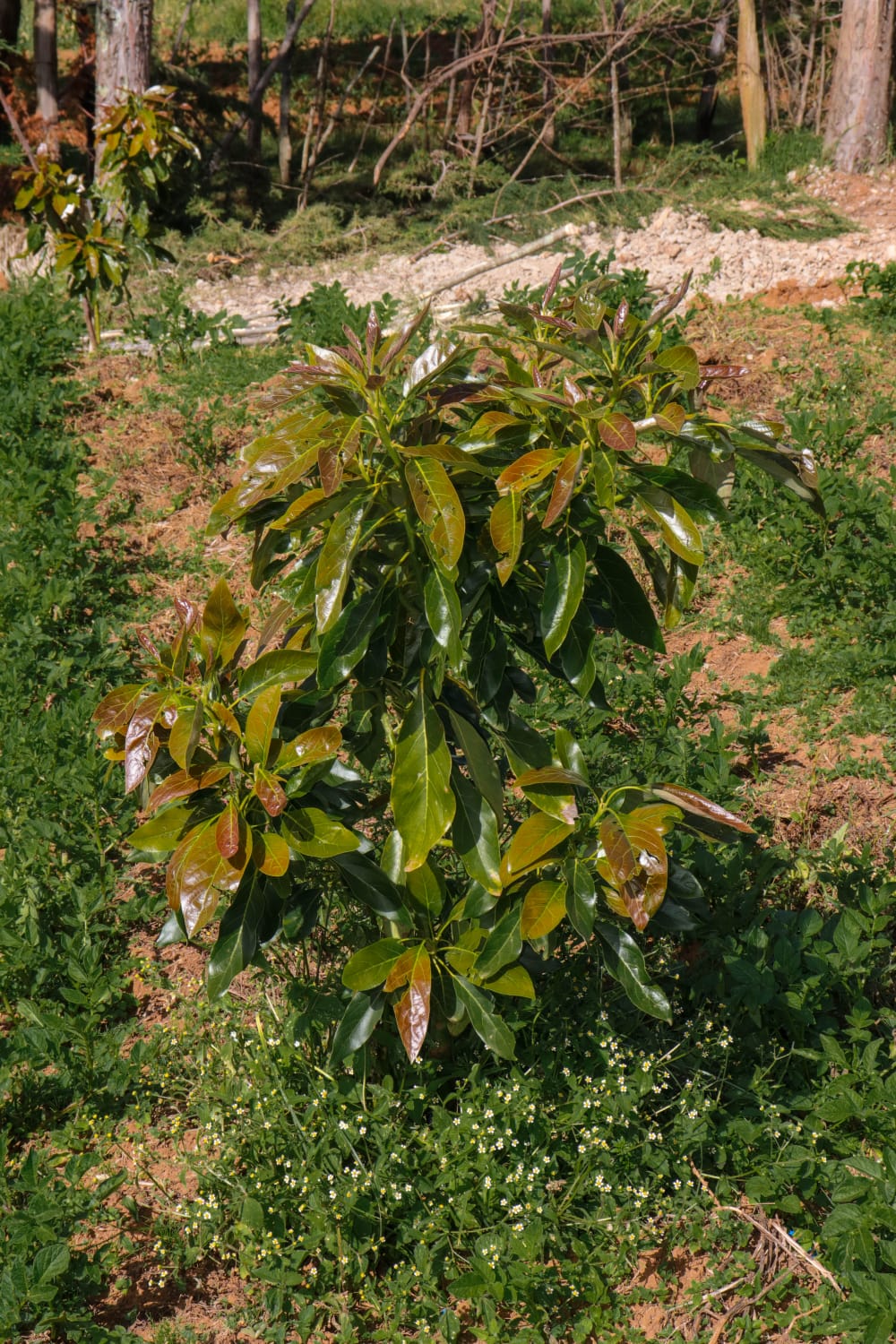
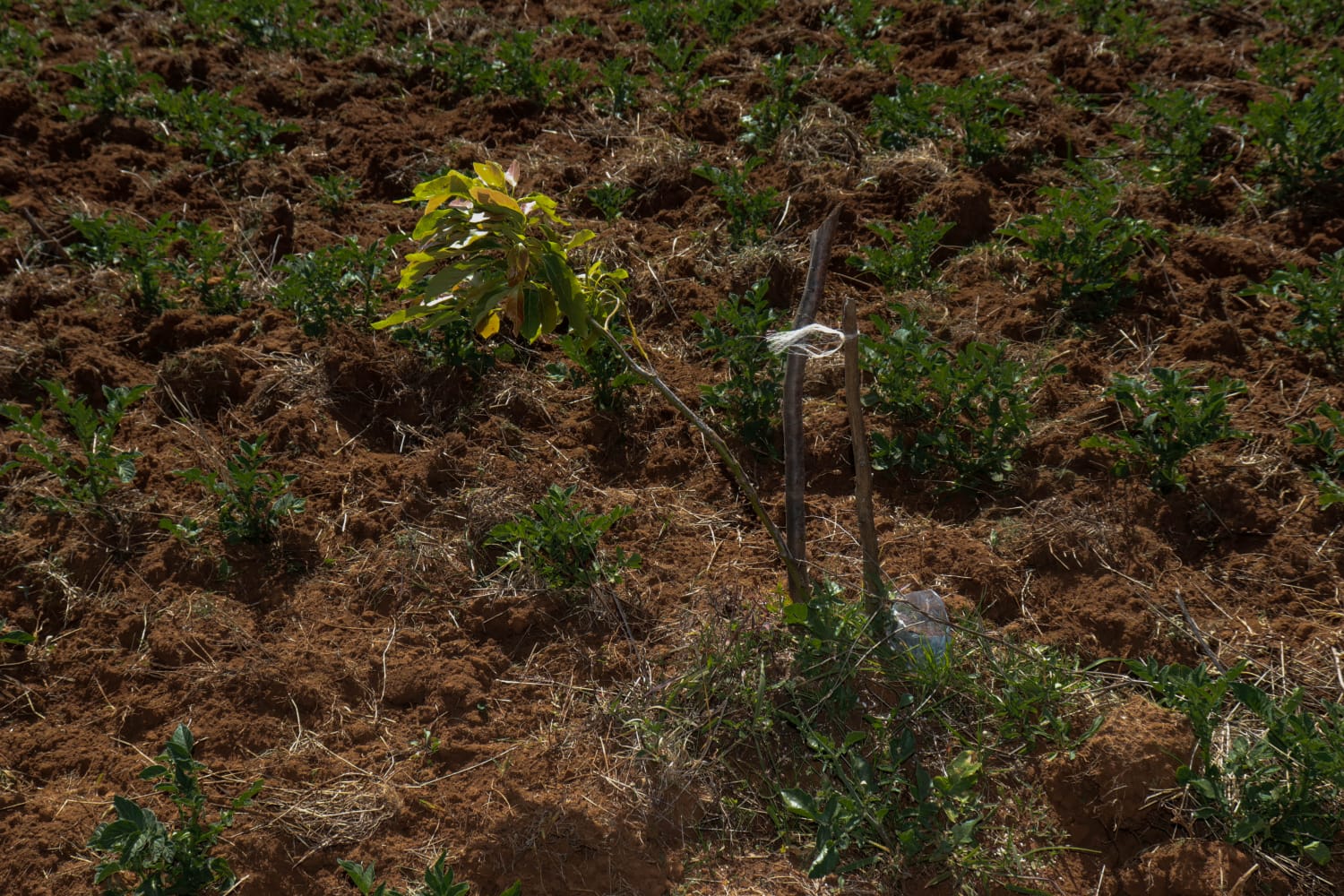
The team also observed the development of the Hass avocado trees planted during the Mazingira Day launch in 2025. That specific event was driven by an impactful central idea, “Citizen-Centric Tree Growing,” alongside the catchy slogan, “Turudi Primo Tupande Fruit Trees.” The crew was delighted to discover that only a very small percentage of the avocado trees dried during the November-December academic break. More than 85% survival rate outcome witnessed serves as an excellent demonstration of the institution’s dedication to being an energetic participant in the mission to protect the forest complex.
Continued Commitment Towards Environmental Restoration
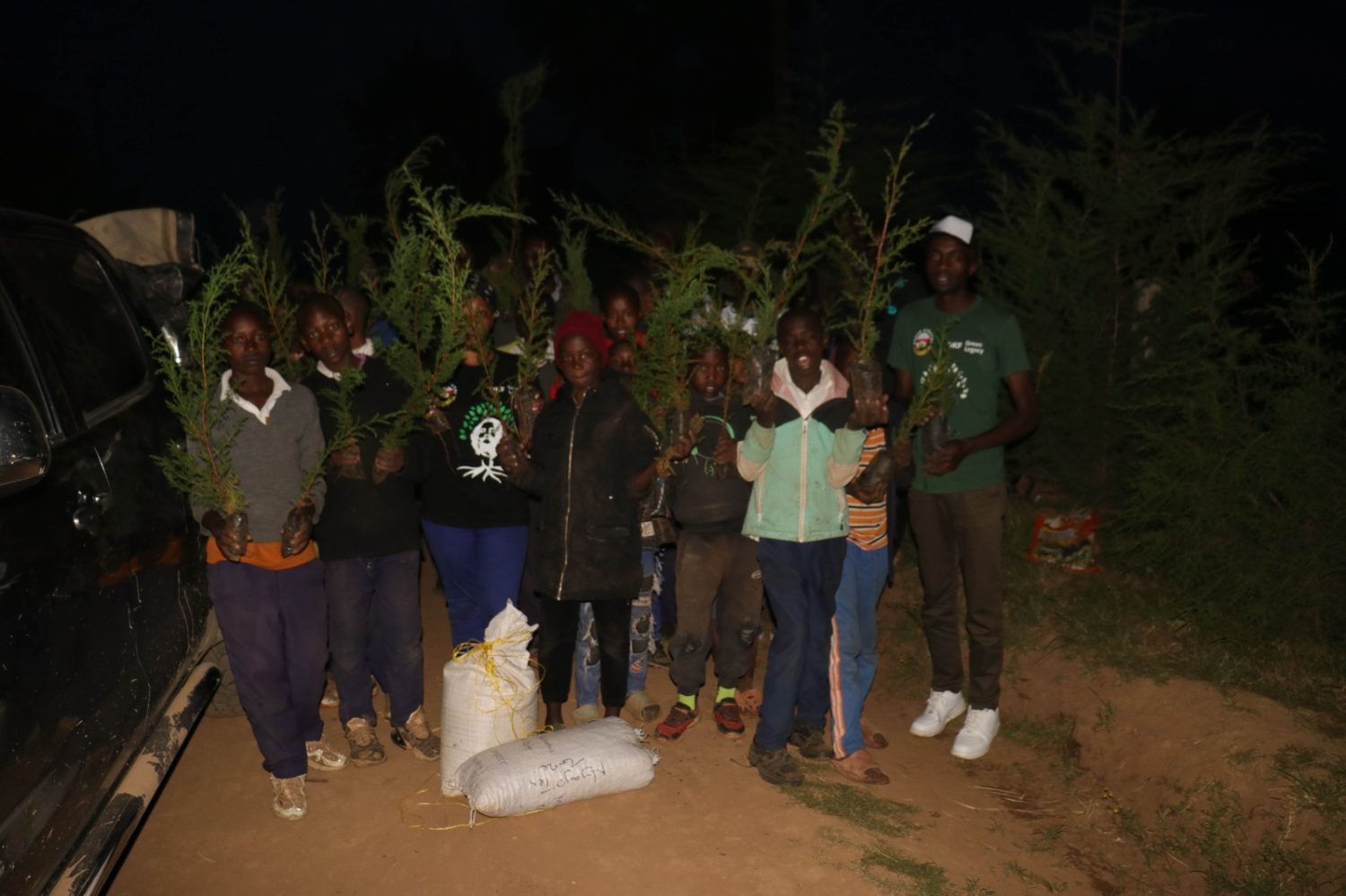
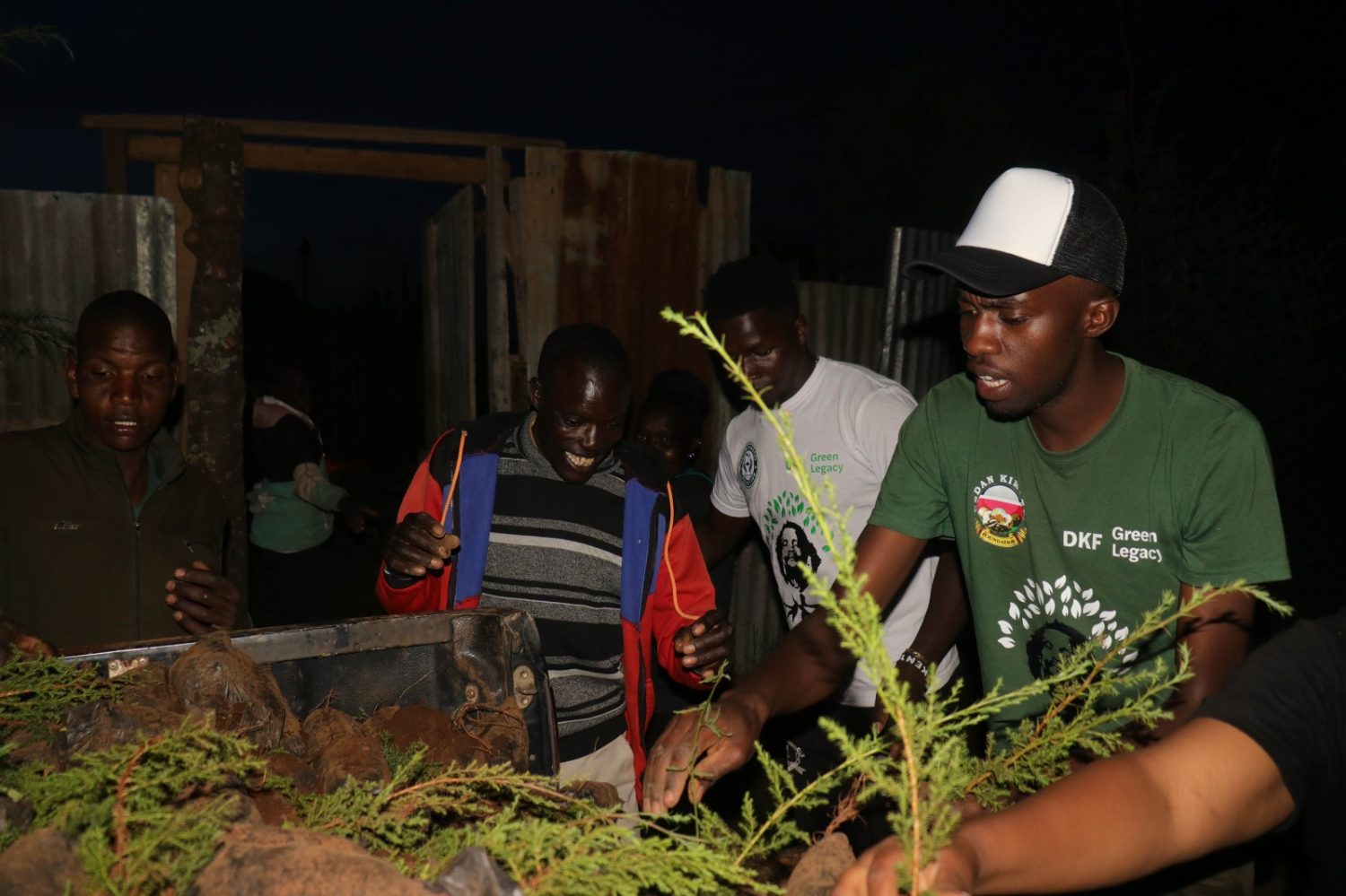
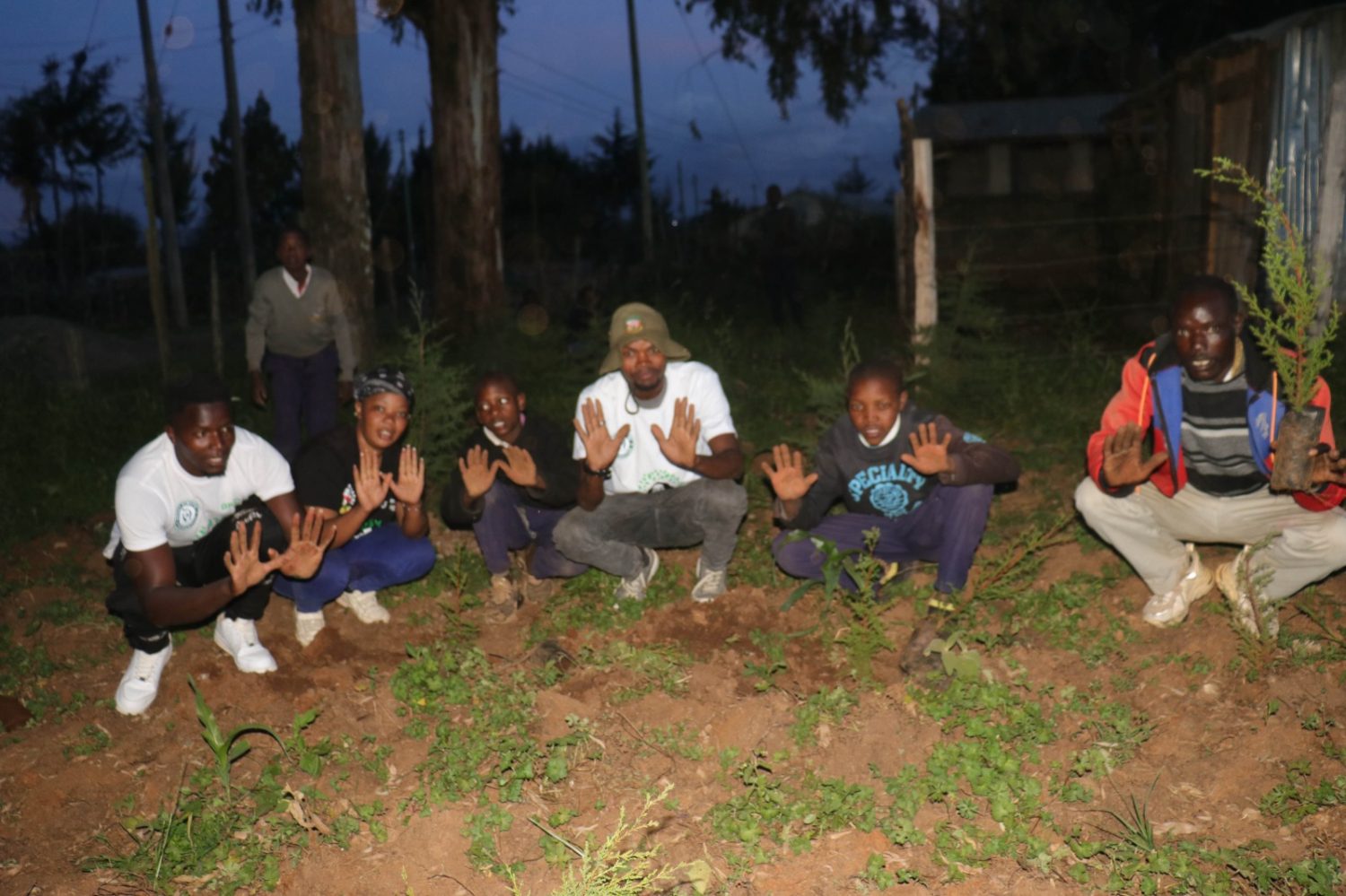
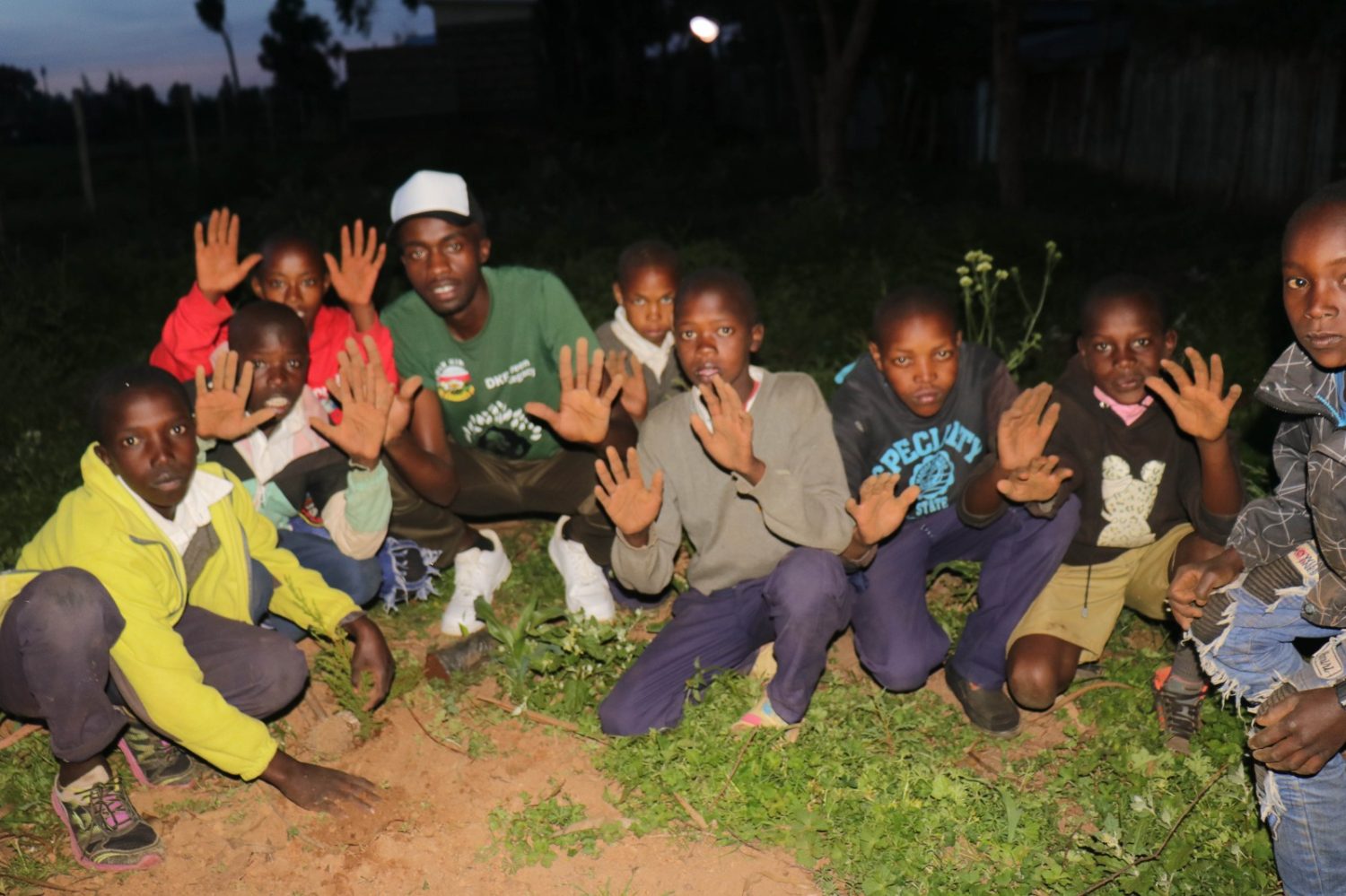
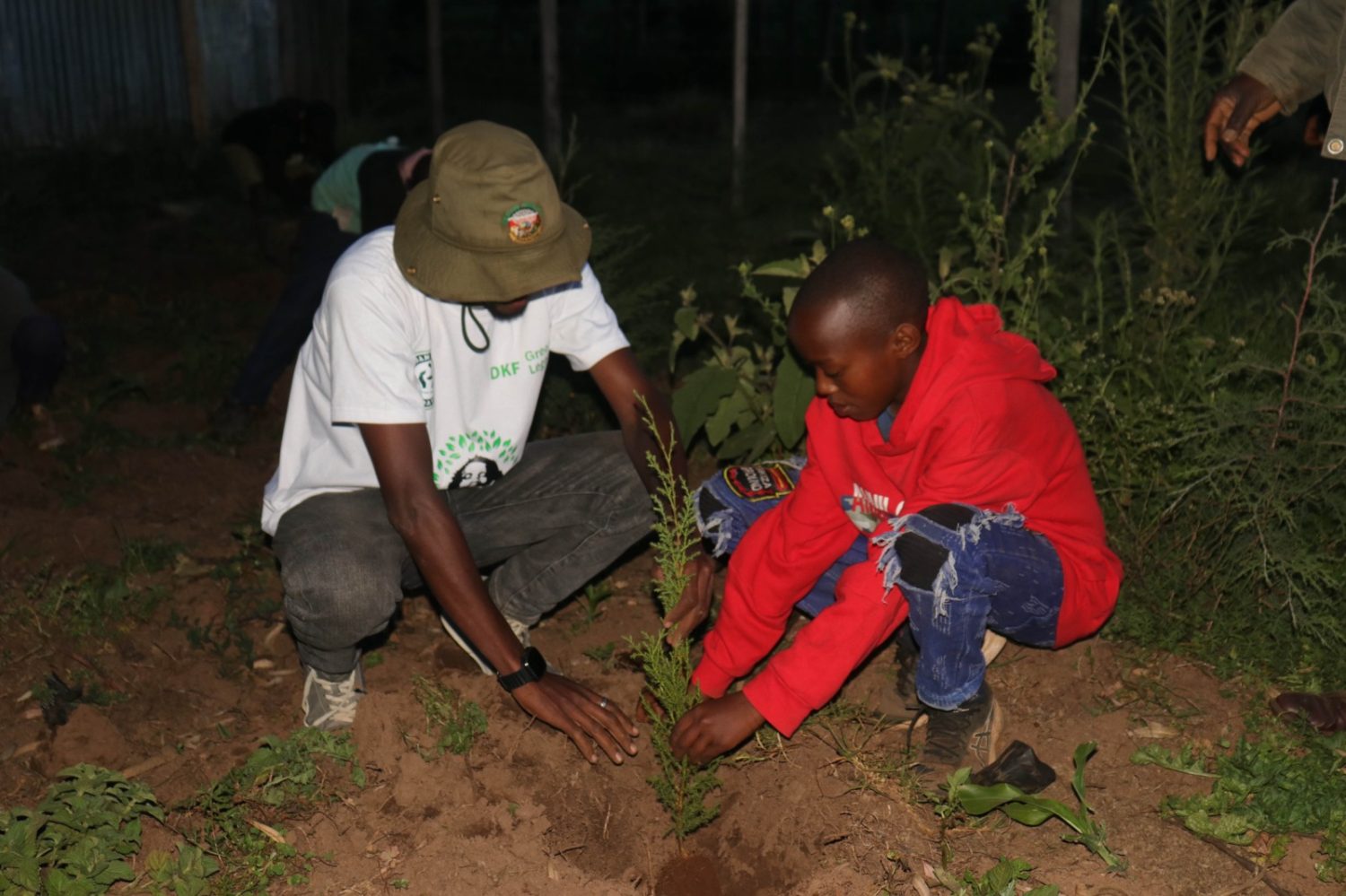
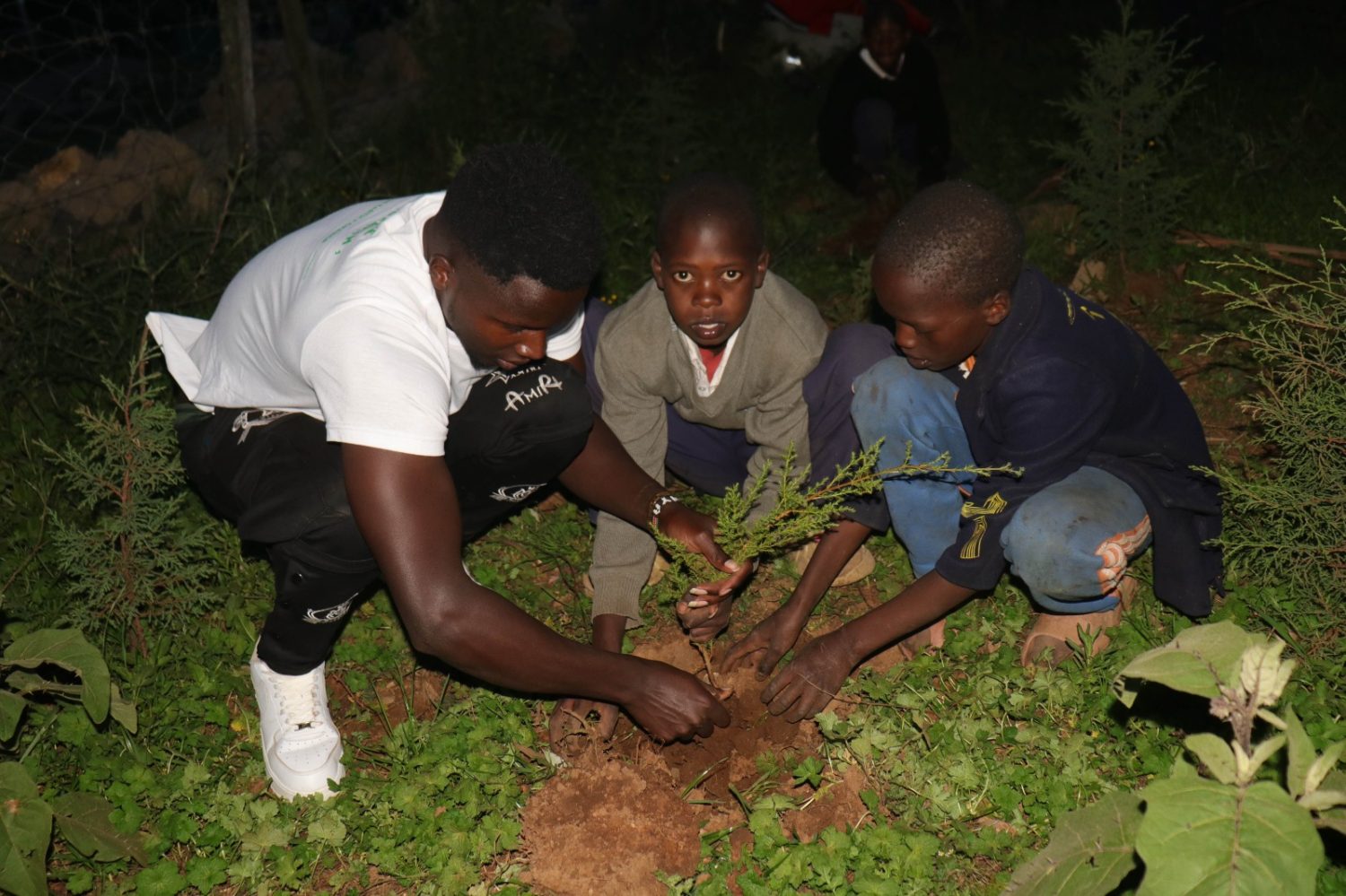
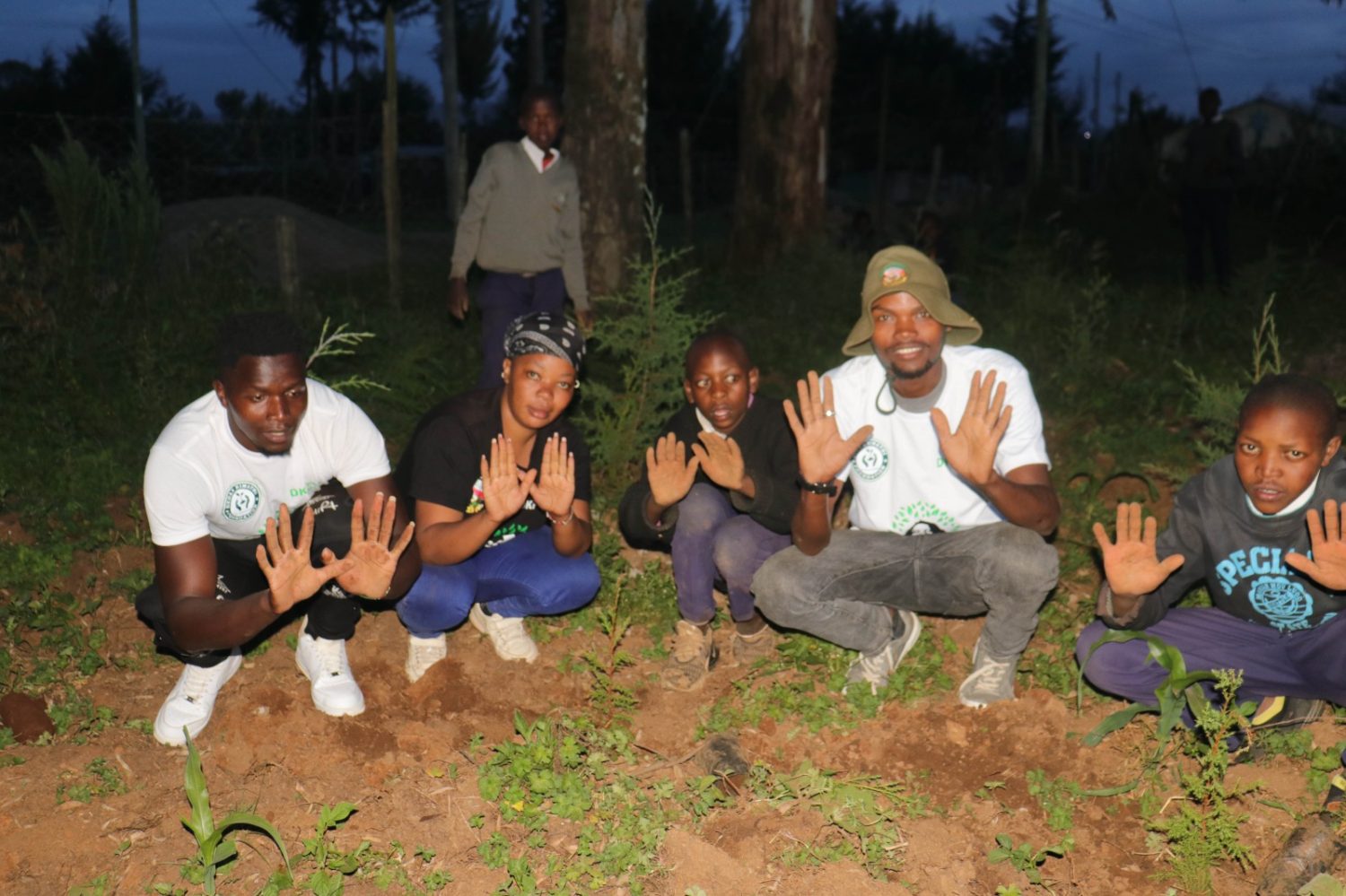
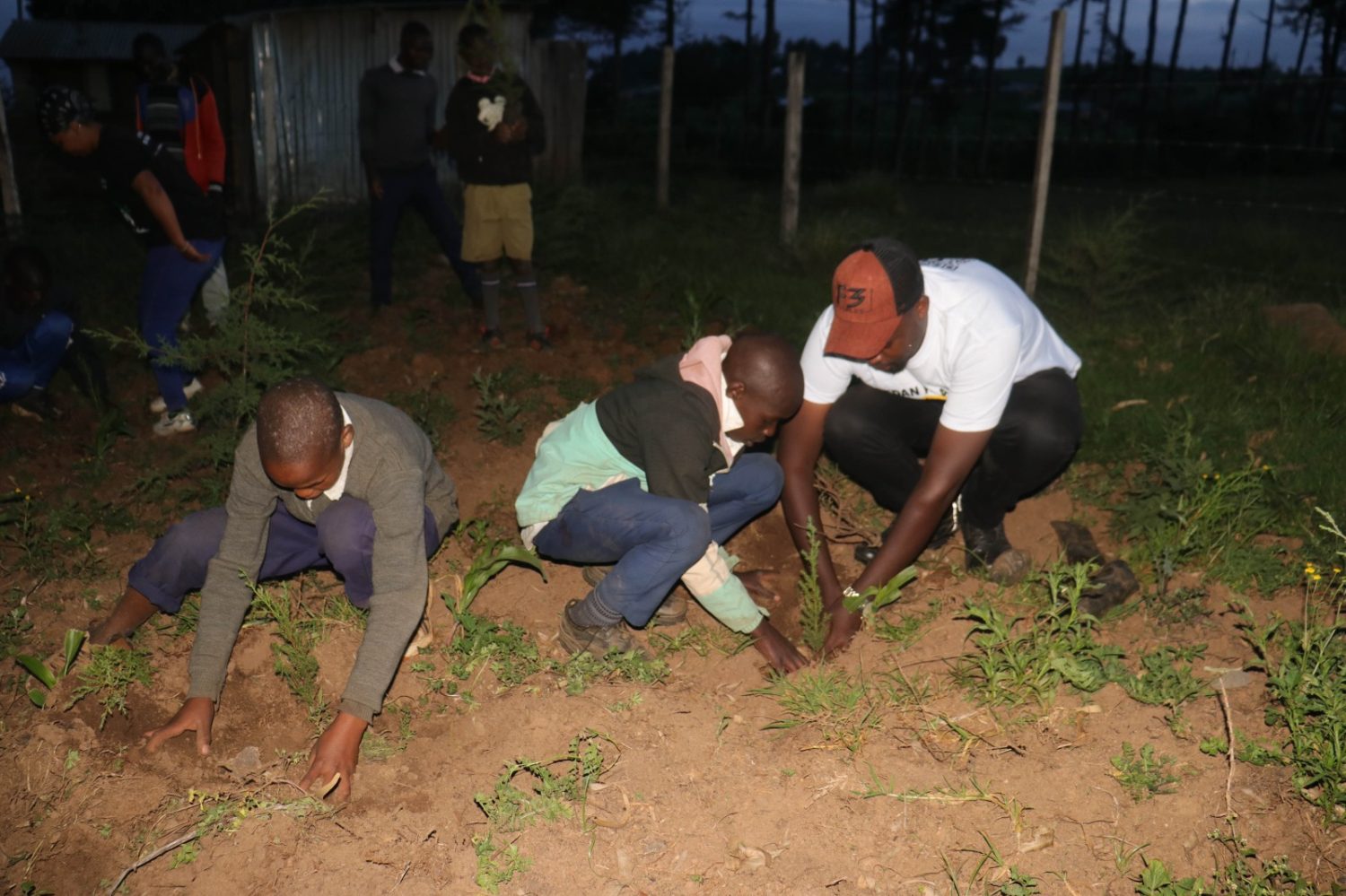
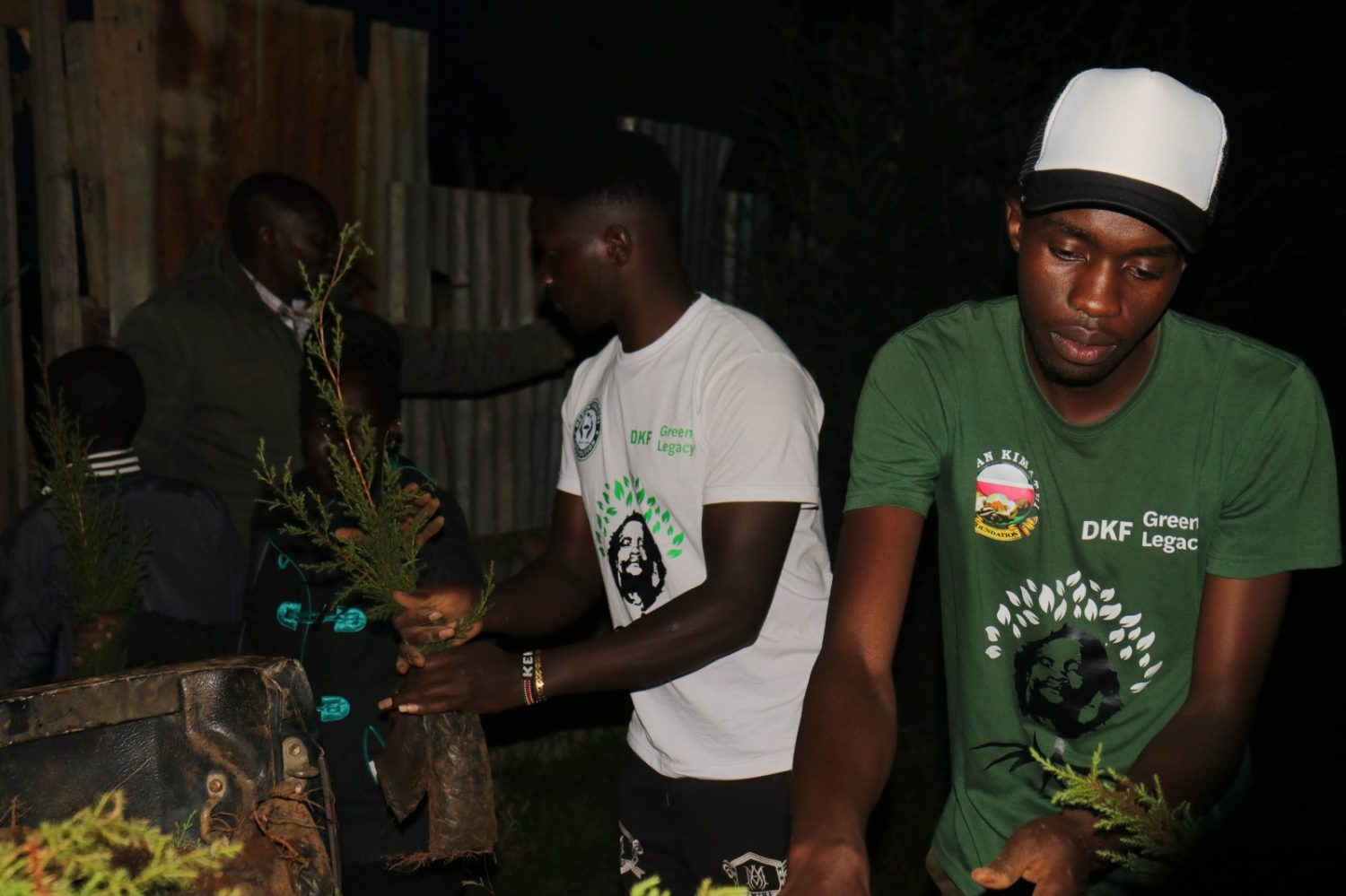
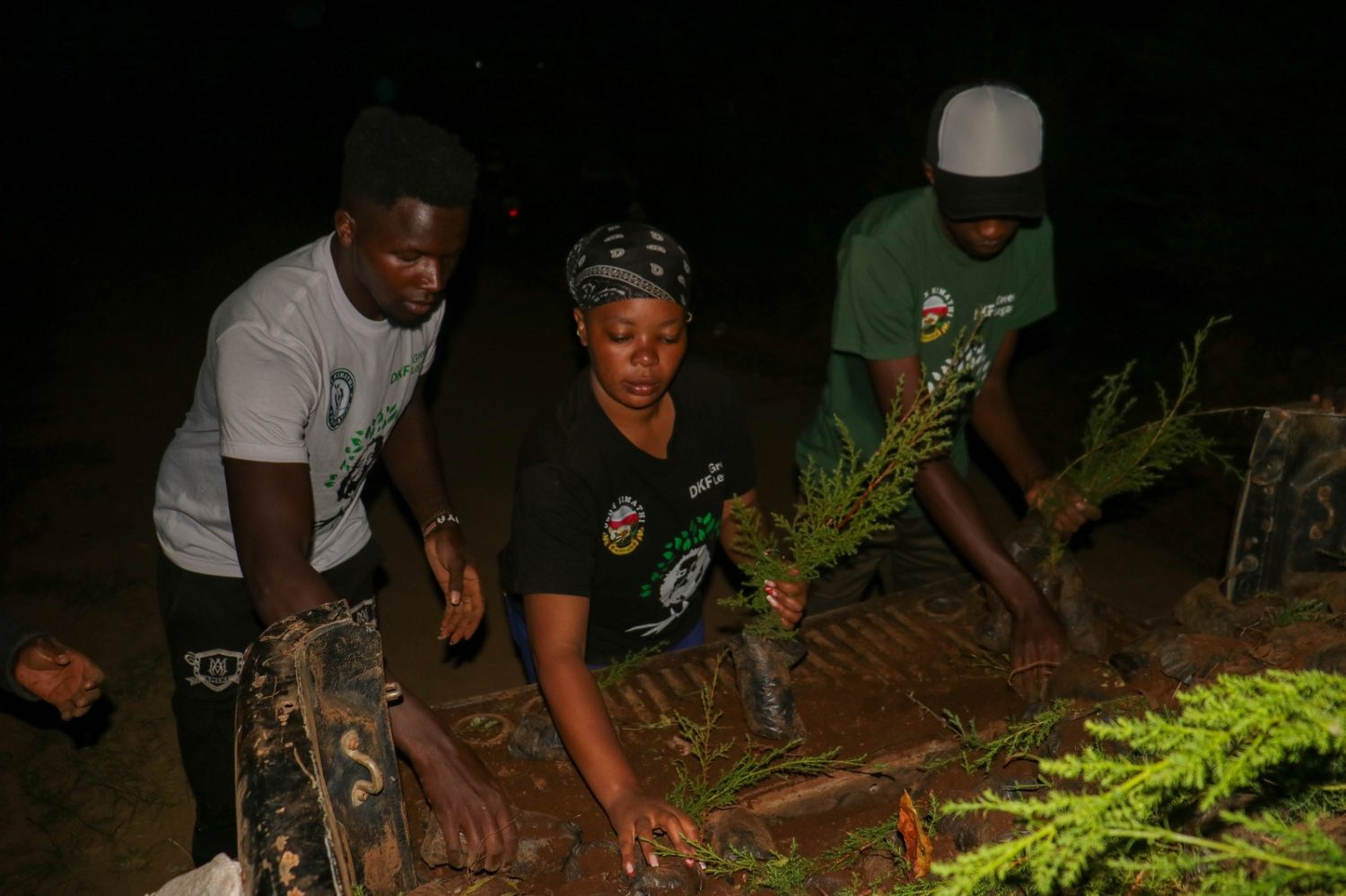
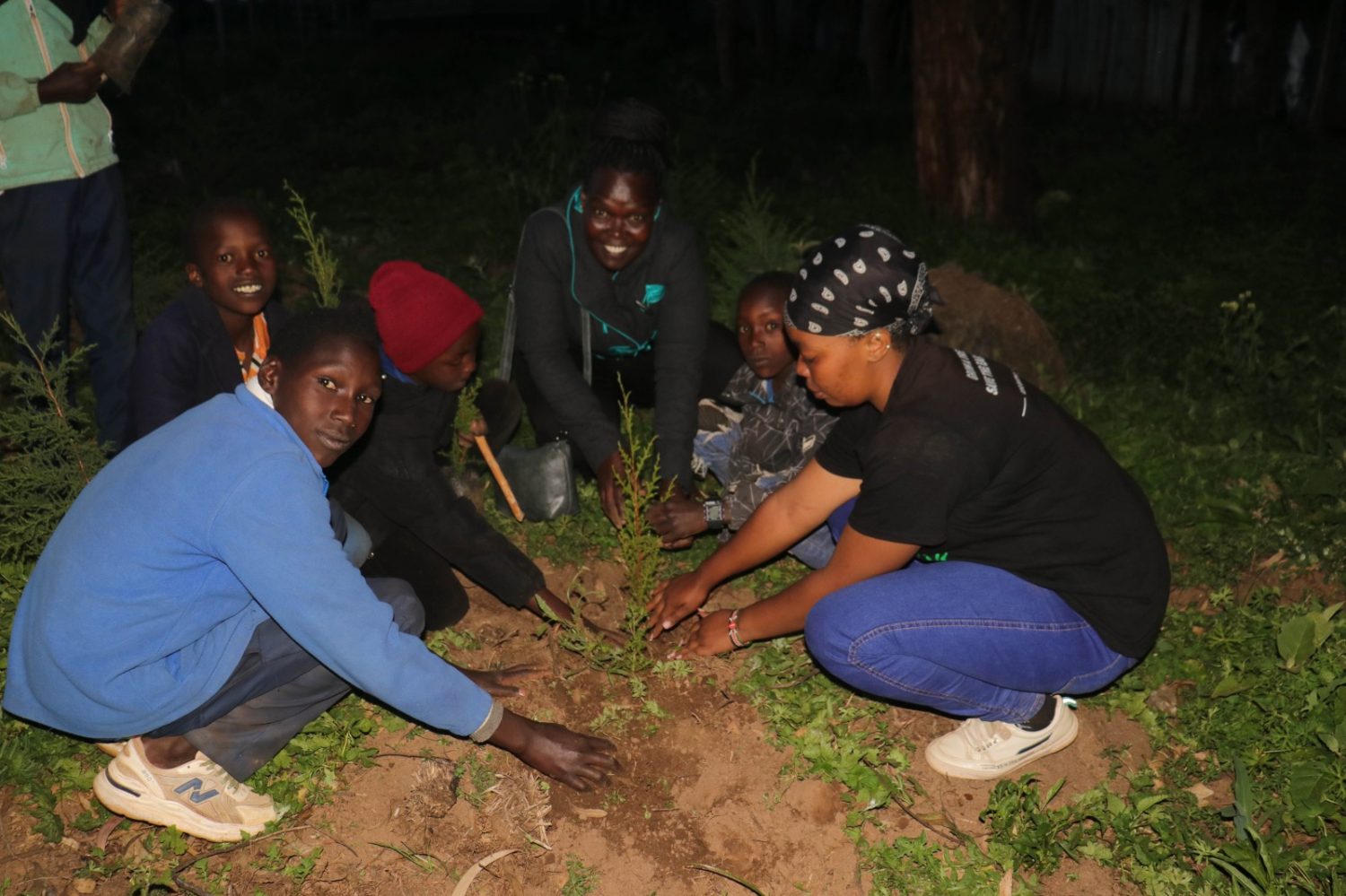
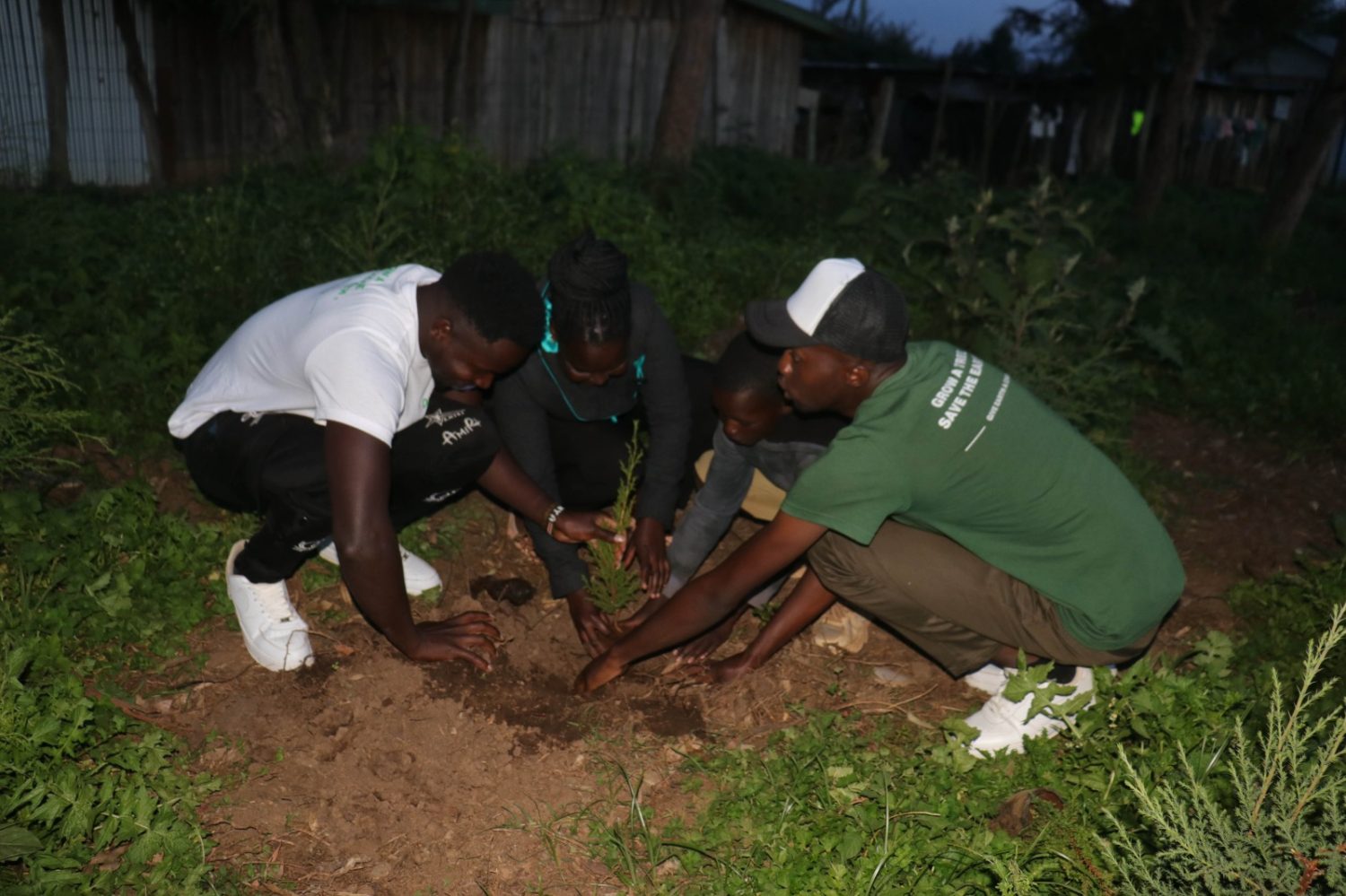
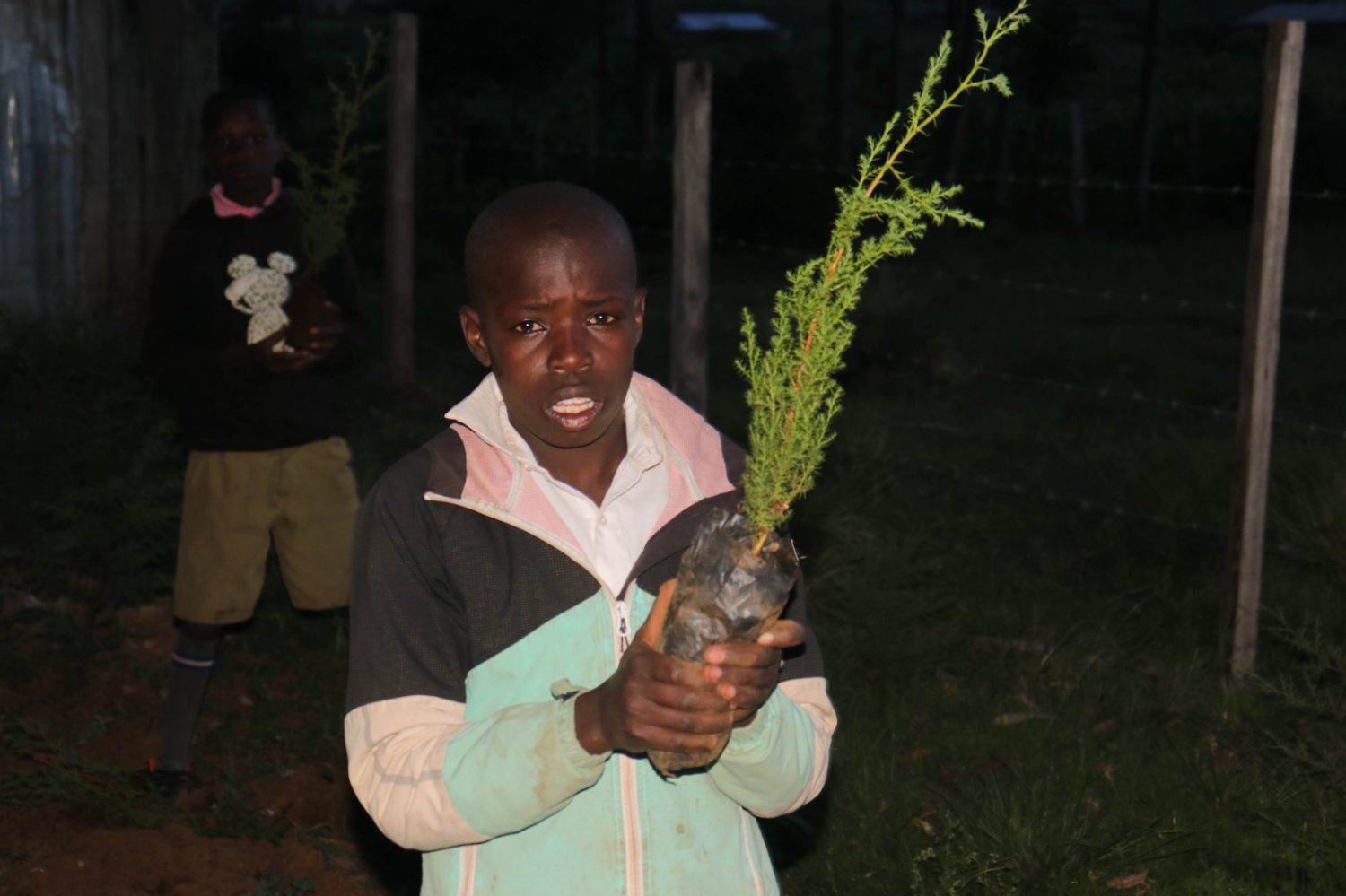
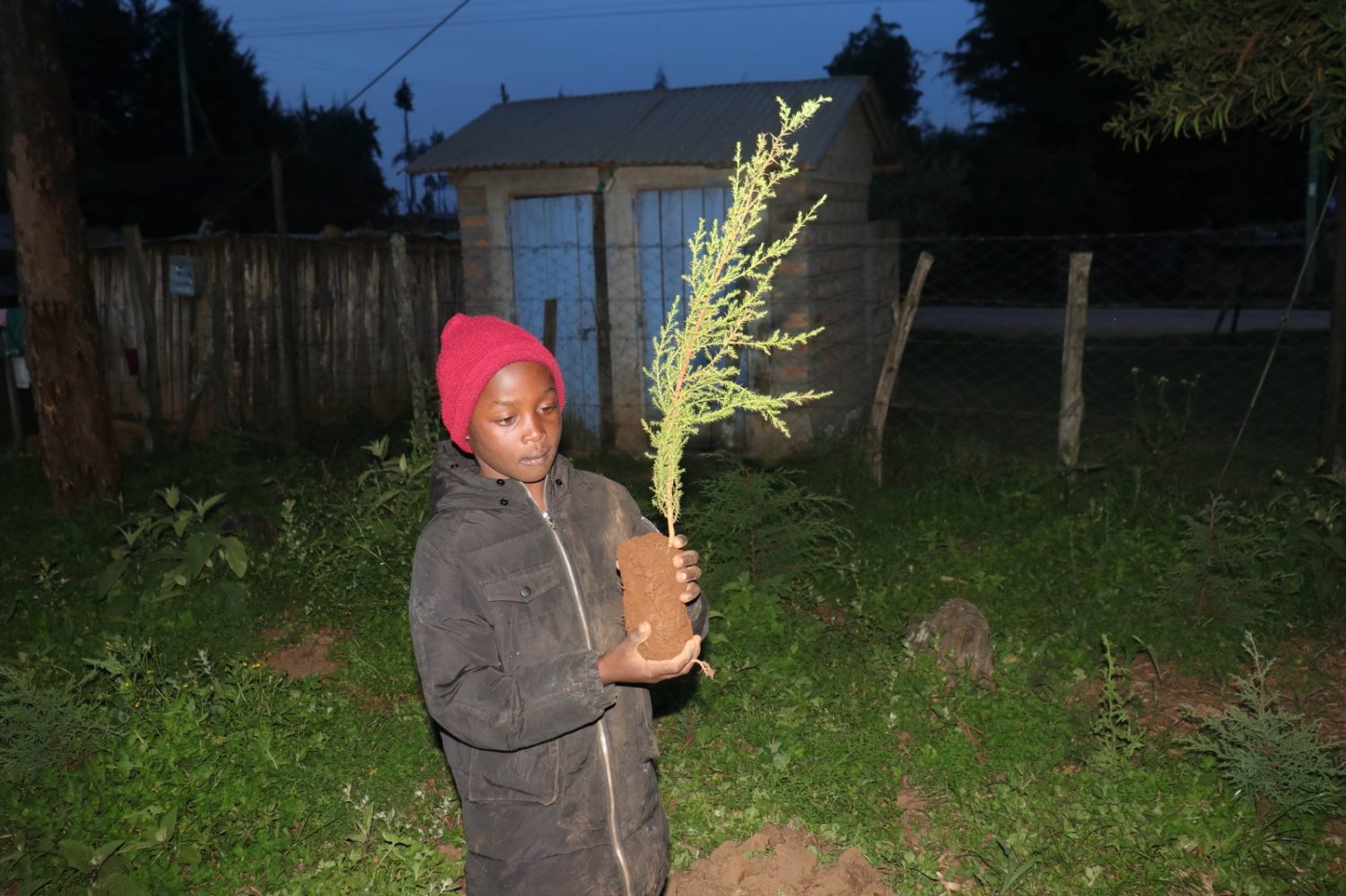
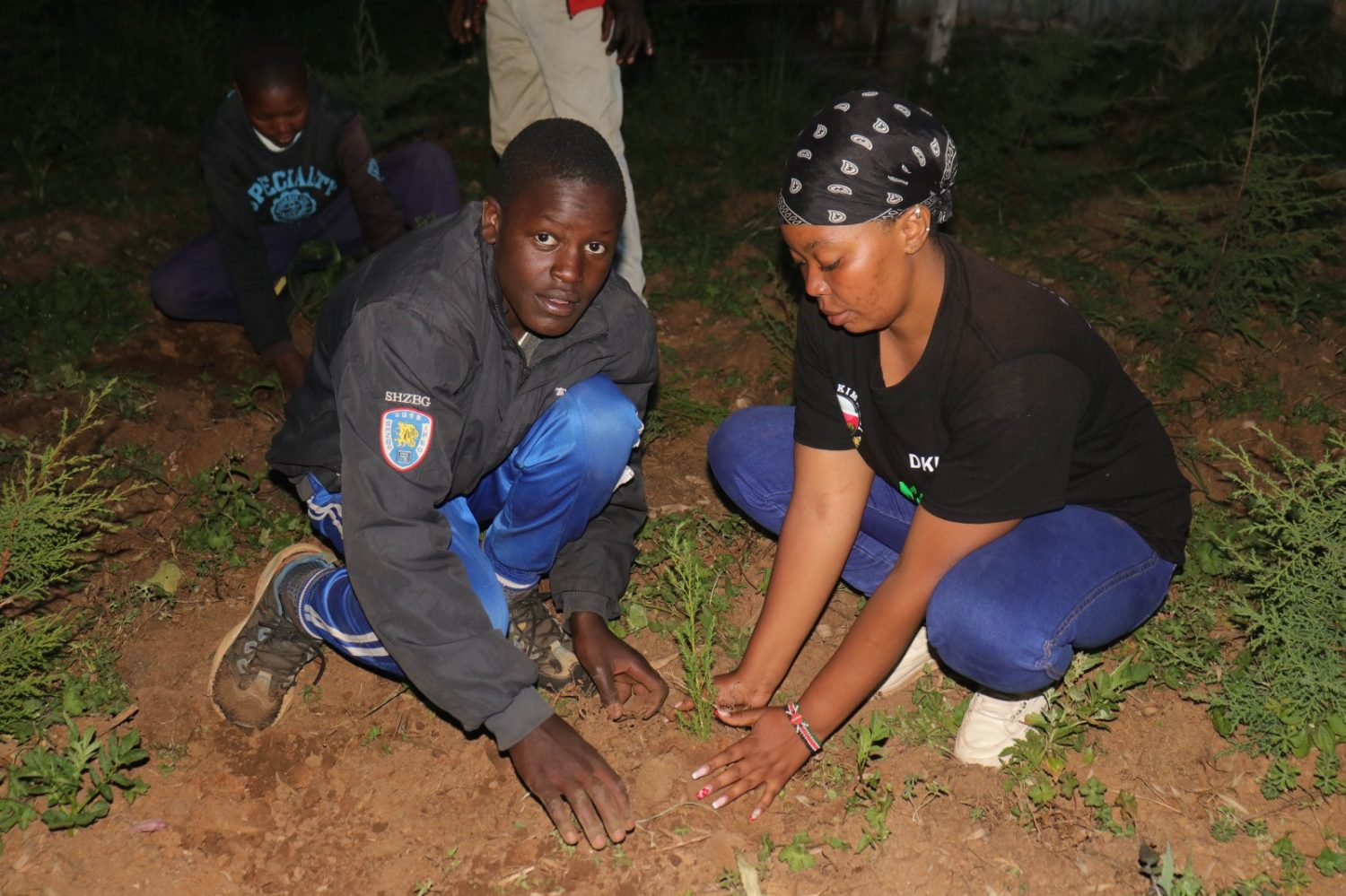
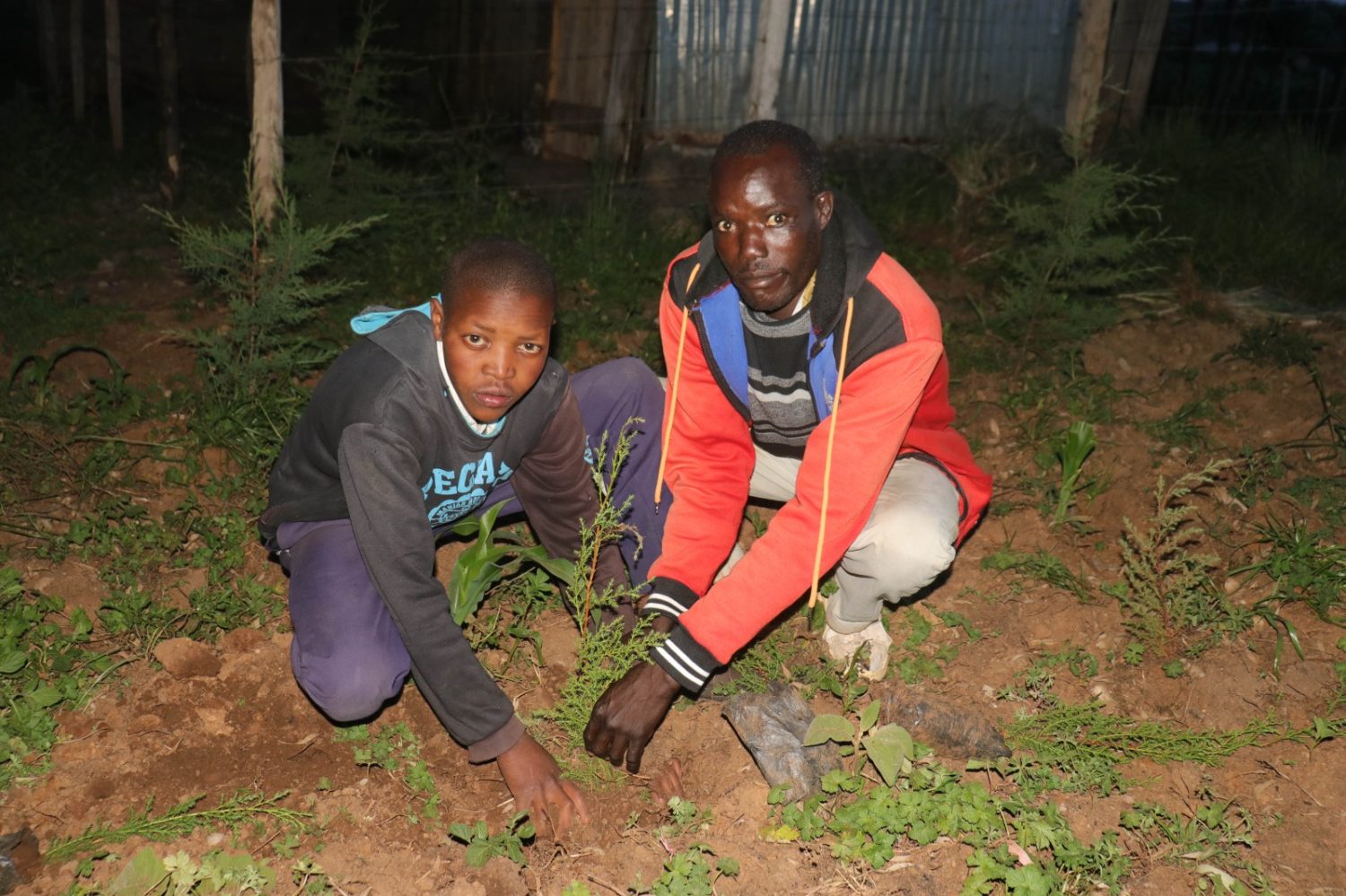
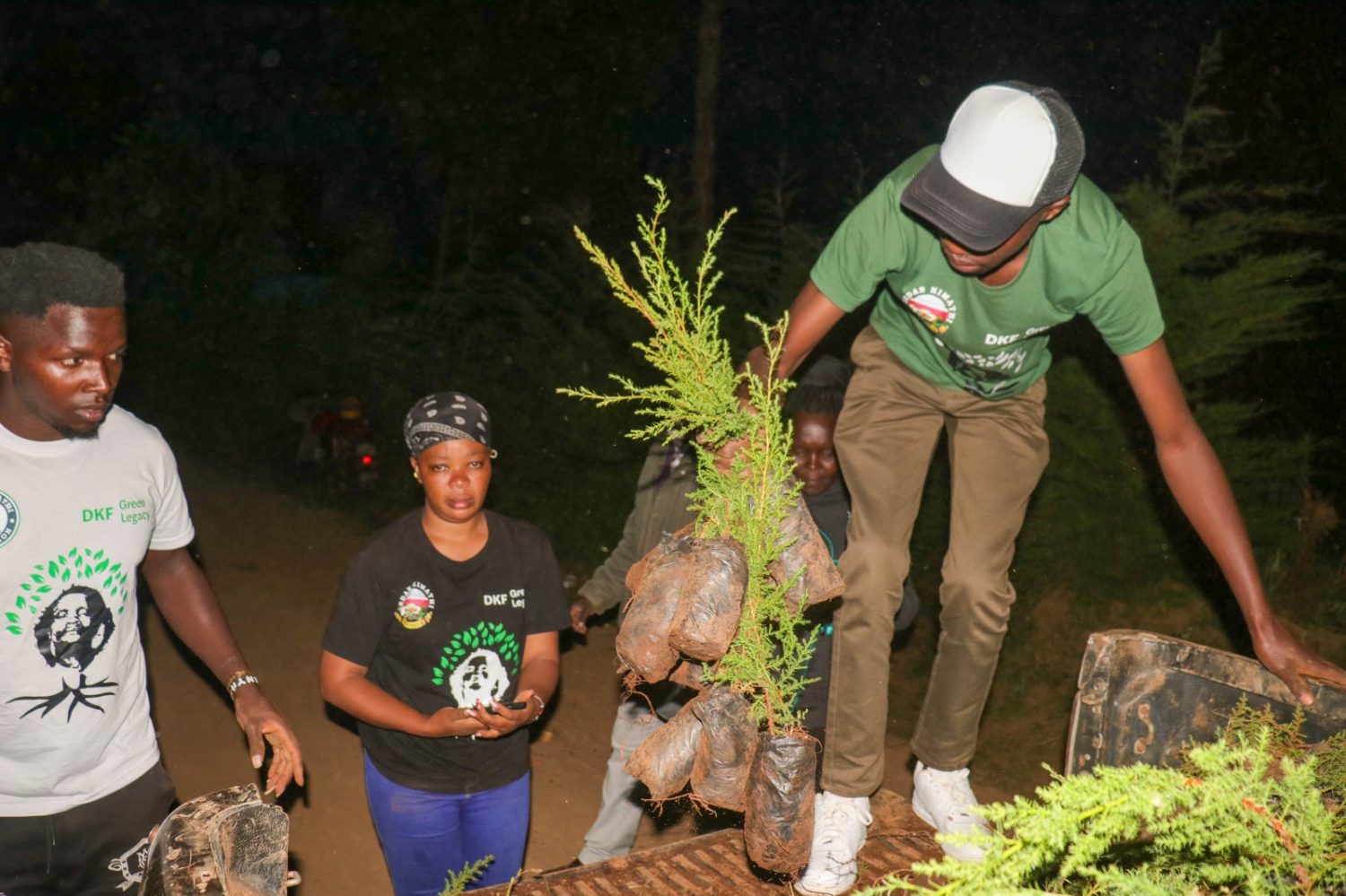
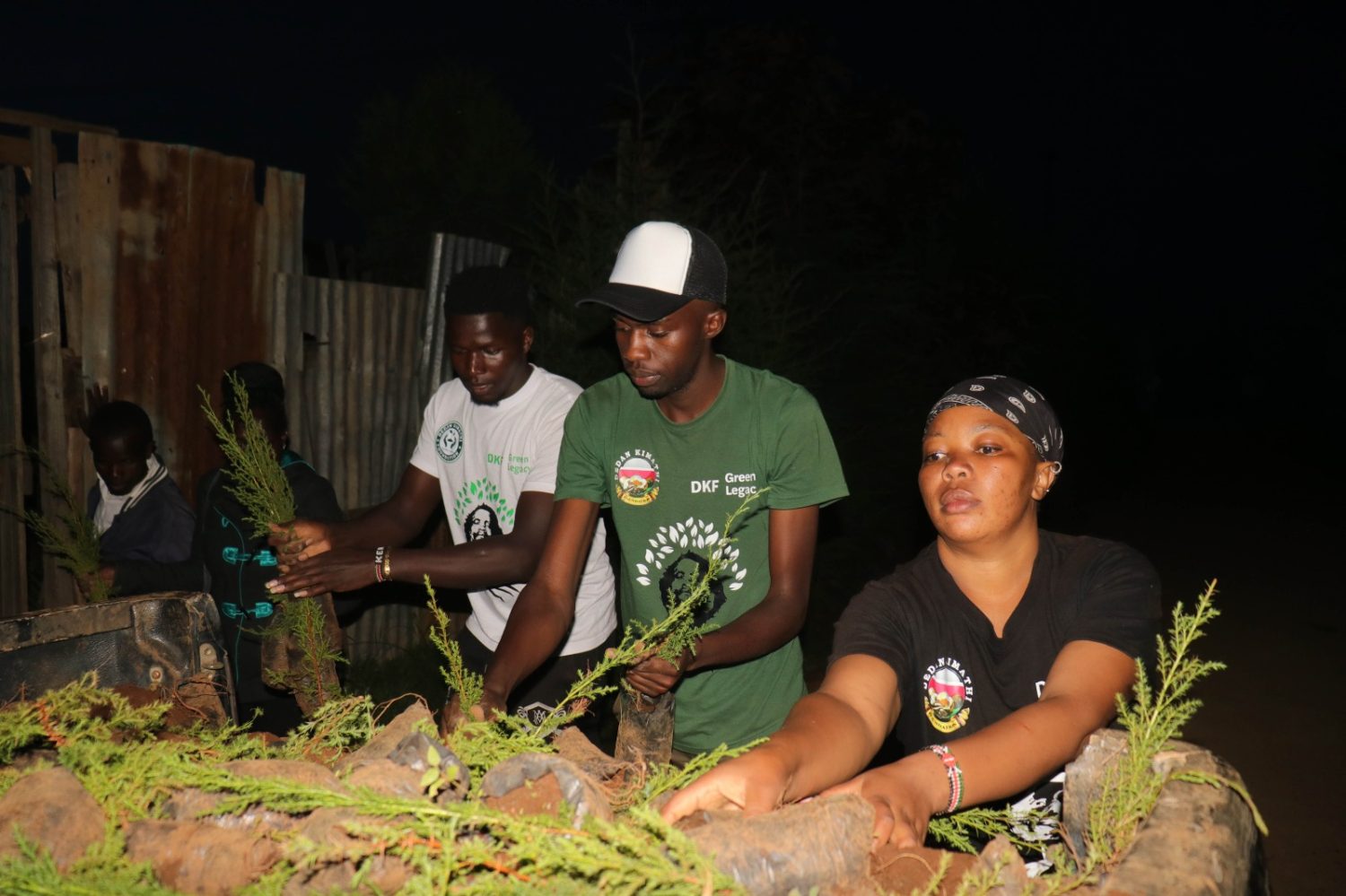
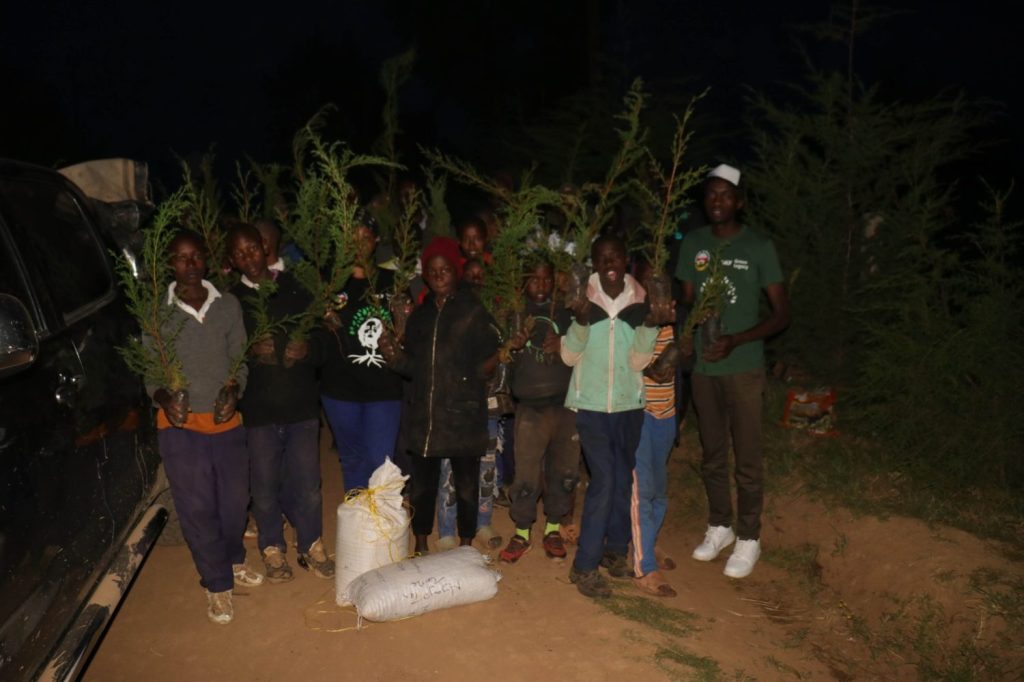
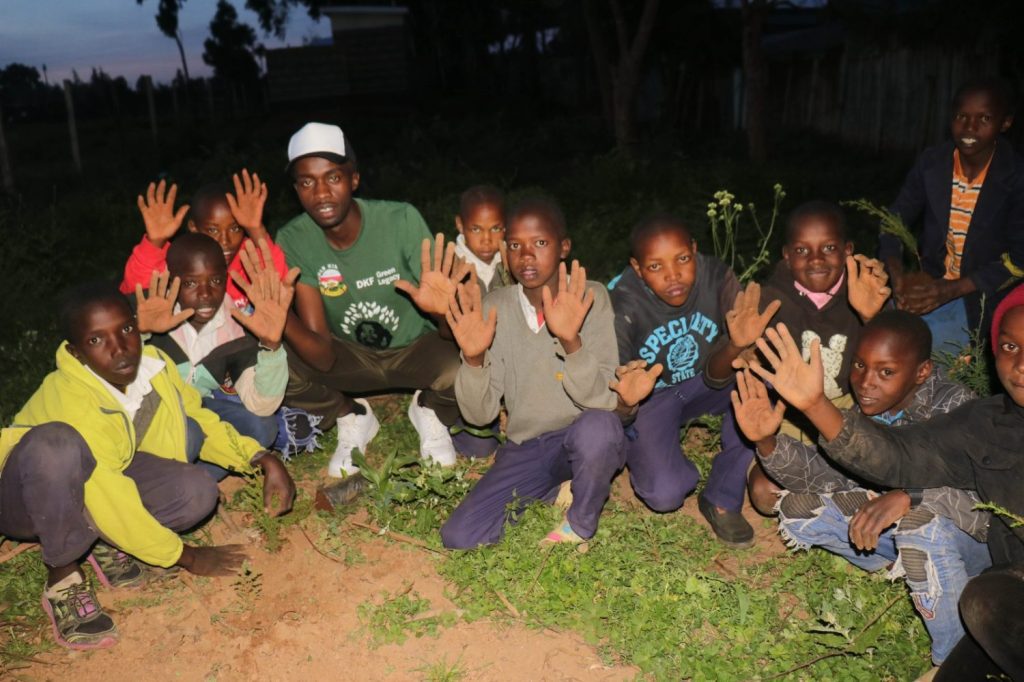
The following day, Tuesday 26th May, the same team spent the better part of the evening in Kuresoi North. This was after collecting another batch of 2000 cypress tree seedlings from the foundation’s central tree nursery in Kinangop. While it is the nature of tree planting exercises to take place in the morning hours before the sun gets too hot, By Gum Junior Secondary in Sirikwa Ward stands out as it had a dusk tree planting exercise. This was due to the long journey and another occupying environmental activity at Isinya Roses Ltd.
The team took the students through a brief tree planting exercise immediately after an environmental mentorship session. All the trees planted were adopted by the students for personalized aftercare.
Dedan Kimathi Foundation continues to stand firm in providing the necessary reinforcement to guarantee that this determined initiative achieves its goals as envisioned by the conclusion of its designated 10-year lifespan.